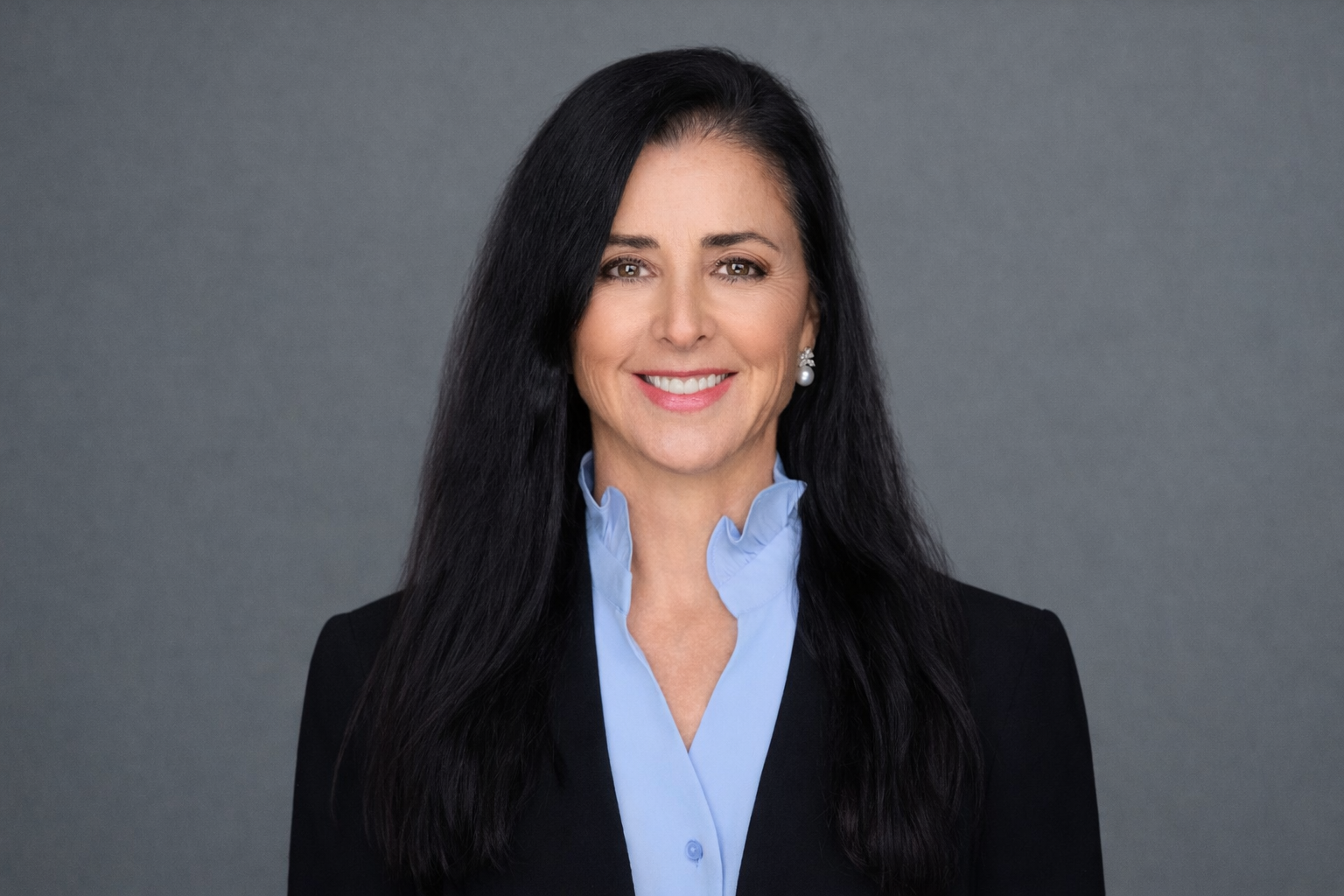

An interview with the co-founder of a fast-rising fintech on infrastructure, regulation, and customer confidence
Key Takeaways
- B2B fintech success depends on trust before innovation
- Infrastructure decisions shape long-term growth
- Regulation can be a design constraint, not a blocker
- Focus beats speed in early product development
- Customer confidence compounds faster than features
B2B fintech often lives in the background of modern commerce, quietly powering payments, compliance, and cash flow while rarely drawing attention to itself. For Daniel Weiss, co-founder of the fast-growing fintech startup Ledgerline, that invisibility is intentional. With experience spanning enterprise finance and early-stage startups, Weiss has seen how fragile trust can be when money and data intersect. Ledgerline was founded to simplify complex financial workflows without adding risk or opacity. In this interview, Weiss discusses building financial infrastructure from scratch, navigating regulation as a startup advantage, and why boring can be beautiful in fintech.
Interview
Q1: What gap in the market led you to co-found Ledgerline?
The idea came from frustration, honestly. My co-founder and I were working with mid-sized companies that had outgrown basic accounting tools but weren’t ready—or willing—to implement heavyweight enterprise systems. The result was a patchwork of spreadsheets, manual approvals, and brittle integrations that introduced real financial risk.
We saw an opportunity to build infrastructure that sat between those extremes. Ledgerline wasn’t about disruption for its own sake; it was about replacing fragile processes with something dependable. From day one, our focus was on accuracy, auditability, and clarity—because in finance, “mostly right” isn’t good enough.
Q2: Fintech founders often talk about speed. How did you approach early product development?
Speed is important, but direction matters more. Early on, we made a conscious choice to move slower in areas that would be hard to unwind later—data models, permissioning, and reconciliation logic. Those aren’t the parts users see in a demo, but they’re the parts that determine whether a product can be trusted at scale.
We shipped a smaller surface area than some competitors, but each feature was deeply considered. That discipline paid off when customers started layering more volume and complexity onto the platform without things breaking. In fintech, reliability is growth.
Q3: Regulation is often viewed as a hurdle. How do you think about it?
I understand why founders see regulation as an obstacle—it’s intimidating, and it slows you down. But we chose to treat regulation as a design framework. If you build with compliance in mind from the start, you avoid costly rewrites and awkward workarounds later.
More importantly, regulation signals seriousness to customers. When a CFO sees that you’ve invested in controls, reporting, and governance, it changes the conversation. You’re no longer a risky startup; you’re a credible partner. That shift is invaluable, especially in B2B sales cycles.
Q4: How do you build trust with customers who are skeptical of new financial tools?
Trust is built long before a contract is signed. It starts with how transparent you are during the sales process—what you can do today, what’s on the roadmap, and what you’re still figuring out. Overselling might close a deal, but it destroys long-term relationships.
We also involve customers deeply in implementation. Instead of promising “plug and play,” we walk through edge cases and failure scenarios together. That honesty can feel risky, but it signals respect. In our experience, customers don’t expect perfection—they expect accountability.
Q5: As a co-founder, how has your role evolved as the company has grown?
In the early days, I was involved in everything from product specs to customer support calls. As the company grew, my role shifted toward building systems—both technical and organizational—that allow other people to make good decisions without me.
The hardest part has been learning when not to step in. Letting go doesn’t mean caring less; it means trusting the team you’ve built. Just like our product, the company itself has to be designed for scale, resilience, and clarity.
Looking Forward
Ledgerline’s growth reflects a broader maturation in the B2B fintech space, where trust and infrastructure increasingly outweigh novelty. Weiss’s emphasis on discipline, transparency, and regulatory fluency challenges the myth that fintech success requires reckless speed. Instead, his approach suggests that the most enduring innovations are often the least flashy. In a sector where credibility is currency, building slowly—and deliberately—may be the fastest path forward.