By bringing Amazon Luna to Xfinity devices, the companies test whether cloud gaming can finally move from niche experiment to everyday entertainment, reshaping how games are accessed, bundled, and played.
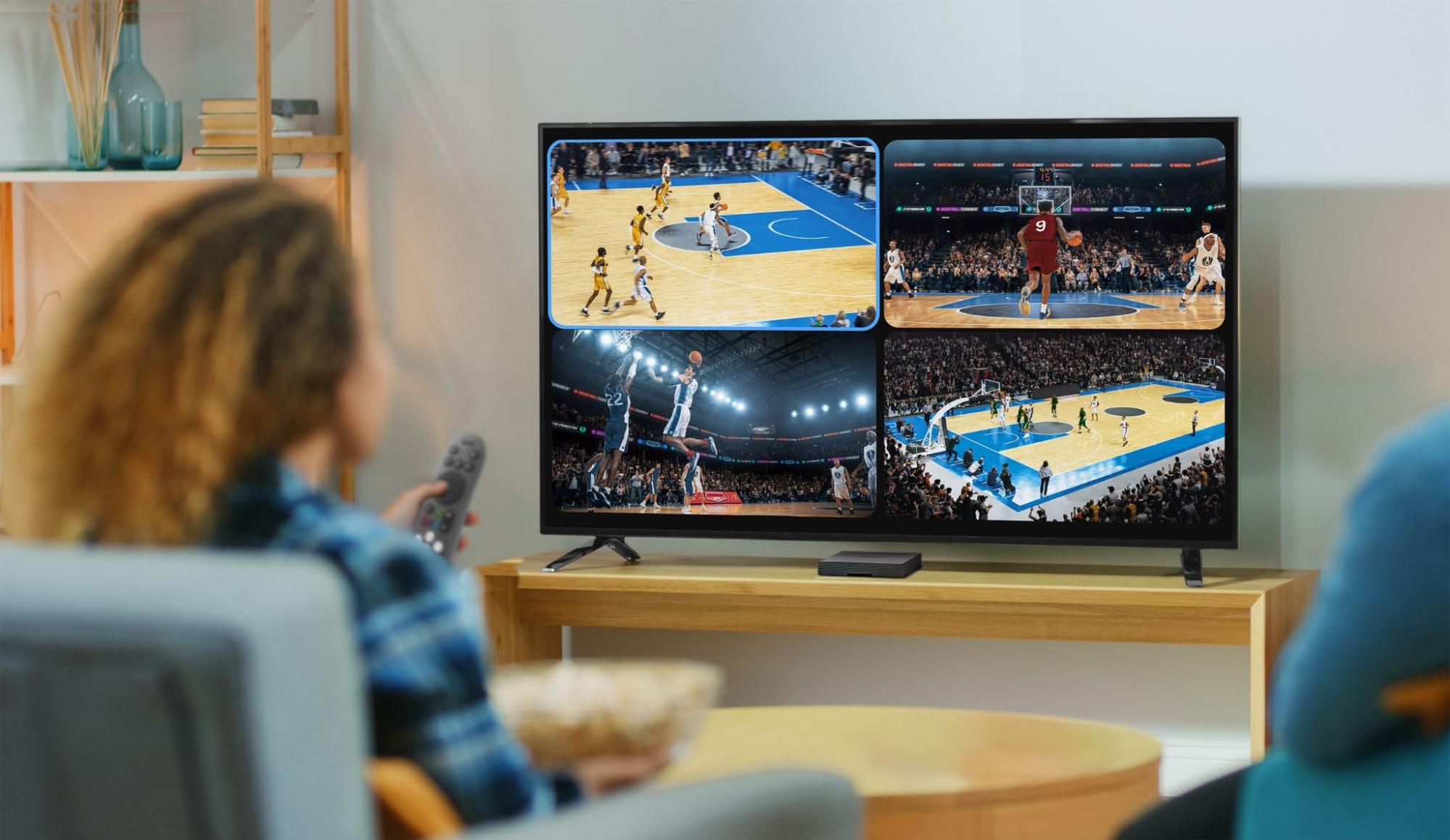
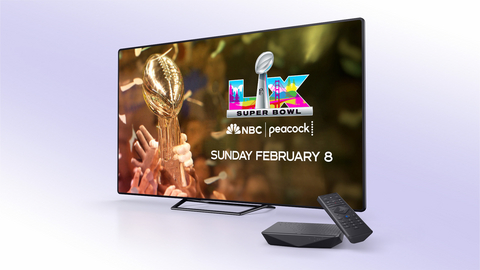
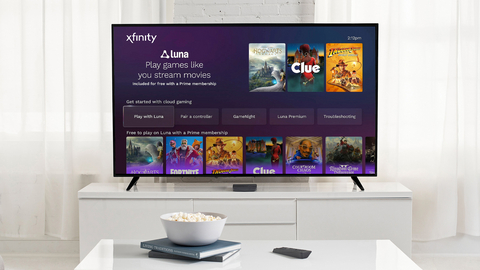
Comcast, in partnership with Amazon, has begun offering Amazon Luna cloud gaming directly on Xfinity’s TV and streaming devices, a move that quietly challenges long-standing assumptions about how people access video games. Instead of consoles, discs, or downloads, the service runs through existing set-top boxes and smart streaming hardware already in millions of homes. The significance lies less in the catalog of games and more in the normalization of gaming as just another on-demand service.
For years, cloud gaming has promised convenience while struggling with latency, reliability, and consumer habits shaped by powerful local hardware. Embedding Luna inside Xfinity’s interface reframes the experience as part of the television ecosystem rather than a separate gaming platform. This integration suggests that the future of gaming may hinge on distribution and network quality as much as on graphics or exclusive titles.
The partnership also reflects a broader shift in how entertainment companies think about bundling. By tying Luna access to Amazon Prime memberships and Xfinity devices, gaming becomes entangled with subscriptions people already pay for, lowering the psychological barrier to trying it. This approach mirrors what happened with streaming video, where frictionless access proved more important than convincing consumers to abandon old formats outright.
Underlying the launch is Comcast’s bet that network performance can become a competitive differentiator. Cloud gaming places unusual demands on broadband, requiring consistently low latency rather than just high peak speeds. Comcast’s emphasis on network reliability highlights how infrastructure providers may gain new leverage as more entertainment experiences move fully into the cloud.
The move also hints at a redefinition of the living room. With party-style games playable via smartphones and no dedicated controller required, Luna leans into gaming as a social, shared-screen activity rather than a solitary one. Whether this model can coexist with traditional console gaming remains unclear, but the experiment signals that the industry is still searching for its next dominant form.
Ultimately, the Comcast–Amazon collaboration is less about replacing consoles overnight and more about testing how far convenience can carry cloud gaming into the mainstream. If successful, it could shift gaming from a hardware-driven market to one shaped by platforms, connectivity, and subscriptions. If not, it will still offer a clear lesson about where the limits of cloud-based entertainment remain.