The company’s move to assemble key electrical components locally reflects a broader push toward regional manufacturing as energy demand, infrastructure growth, and supply chain resilience reshape Latin America’s market
CHINT used its presence at FEICON 2026 in São Paulo to signal a deeper commitment to Brazil, announcing the local assembly of air circuit breakers alongside its largest regional product showcase to date. For CHINT, the move represents more than a product update, pointing instead to a shift in how global energy companies are positioning themselves within fast-growing local markets.
The decision to assemble air circuit breakers in Minas Gerais highlights the importance of proximity in modern supply chains. By enabling local customization of components such as protection relays and operating mechanisms, CHINT is aligning its operations with regional needs while reducing reliance on centralized manufacturing. This approach also suggests a broader industry response to the need for flexibility in infrastructure projects, where timelines and specifications can vary significantly.
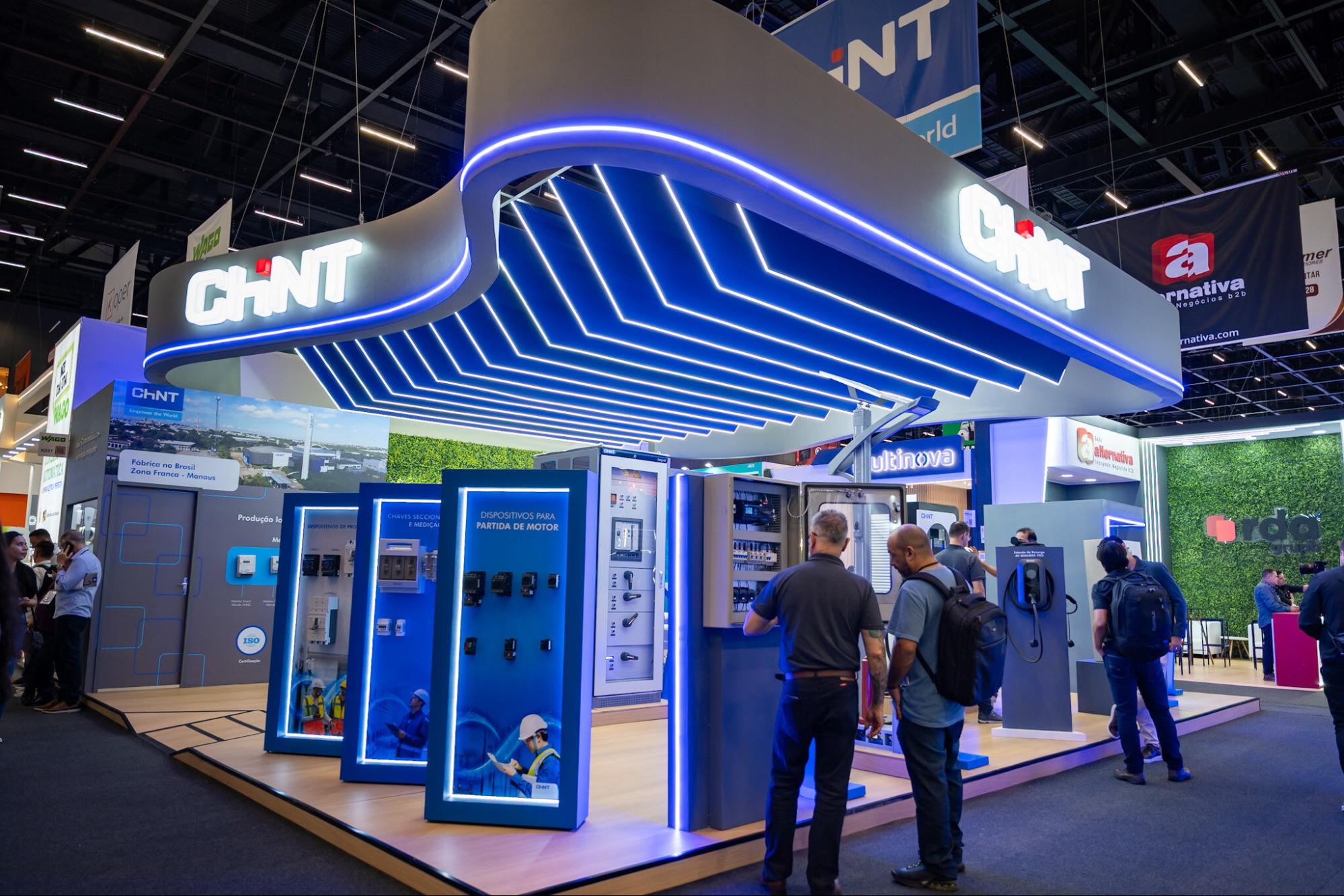
Beyond the manufacturing announcement, CHINT’s exhibition presence underscored the expanding scope of electrical infrastructure. Its portfolio at FEICON ranged from safety-focused devices like arc fault detection systems to solutions aimed at improving energy efficiency and power quality. The inclusion of electric vehicle charging technologies further reflects how traditional power companies are adapting to new forms of demand tied to electrification and mobility.
Brazil’s role in this strategy is notable. As one of Latin America’s largest economies, the country is experiencing continued urbanization and investment in energy systems, creating sustained demand for reliable electrical components. For companies like CHINT, establishing a local footprint is increasingly seen as essential not only for competitiveness but also for meeting regulatory, logistical, and customer expectations.
The broader implication is a shift toward regionalized production models within the energy and construction sectors. Rather than exporting standardized products globally, companies are investing in localized capabilities that allow them to respond more directly to market conditions. In CHINT’s case, its expansion in Brazil reflects how infrastructure growth and energy transition are reshaping where and how critical technologies are built and deployed.