The Laguna Beach founder’s television appearance highlights the rapid growth of lighter, health-conscious alcohol options as breweries respond to shifting consumer attitudes toward moderation and wellness.
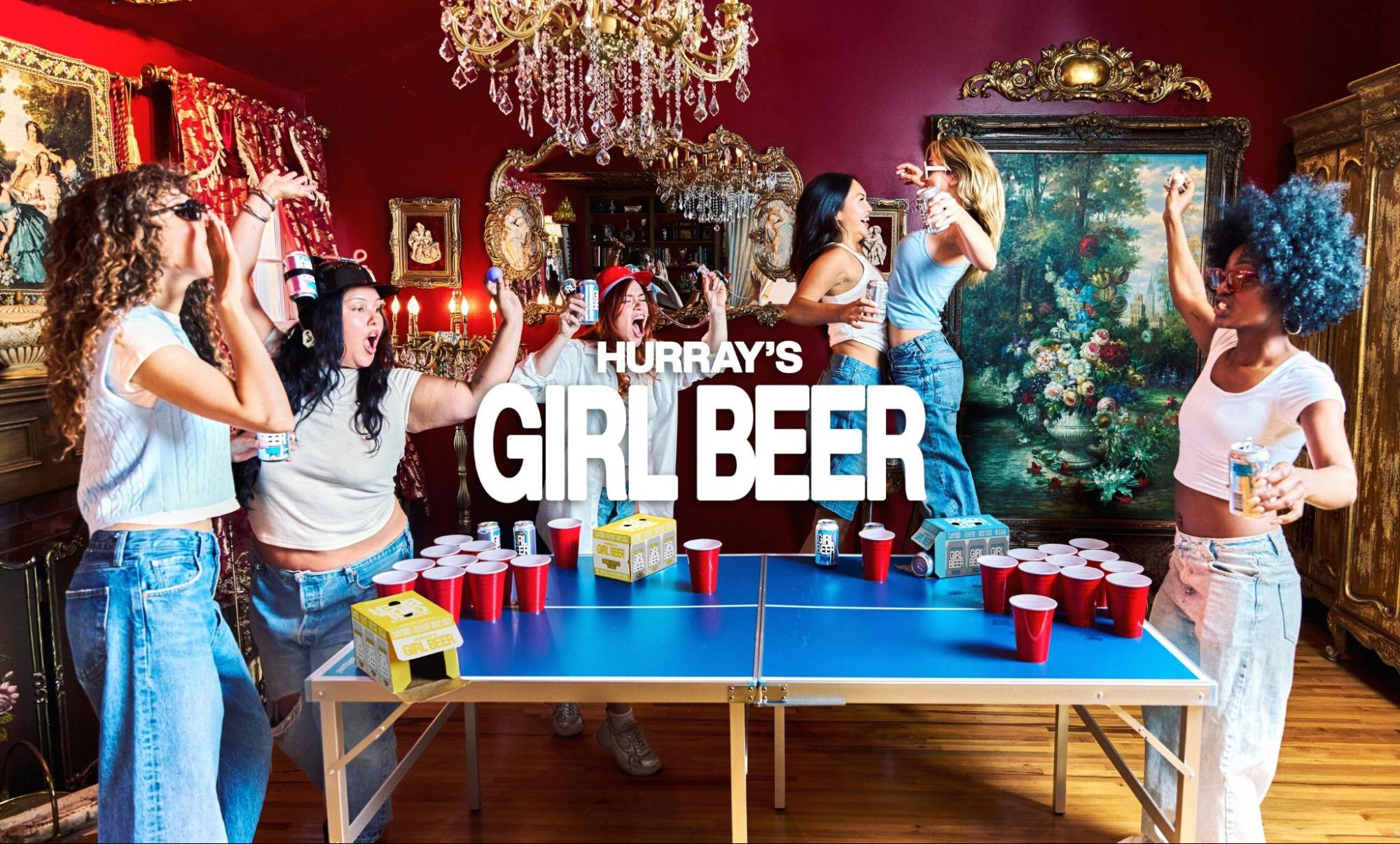
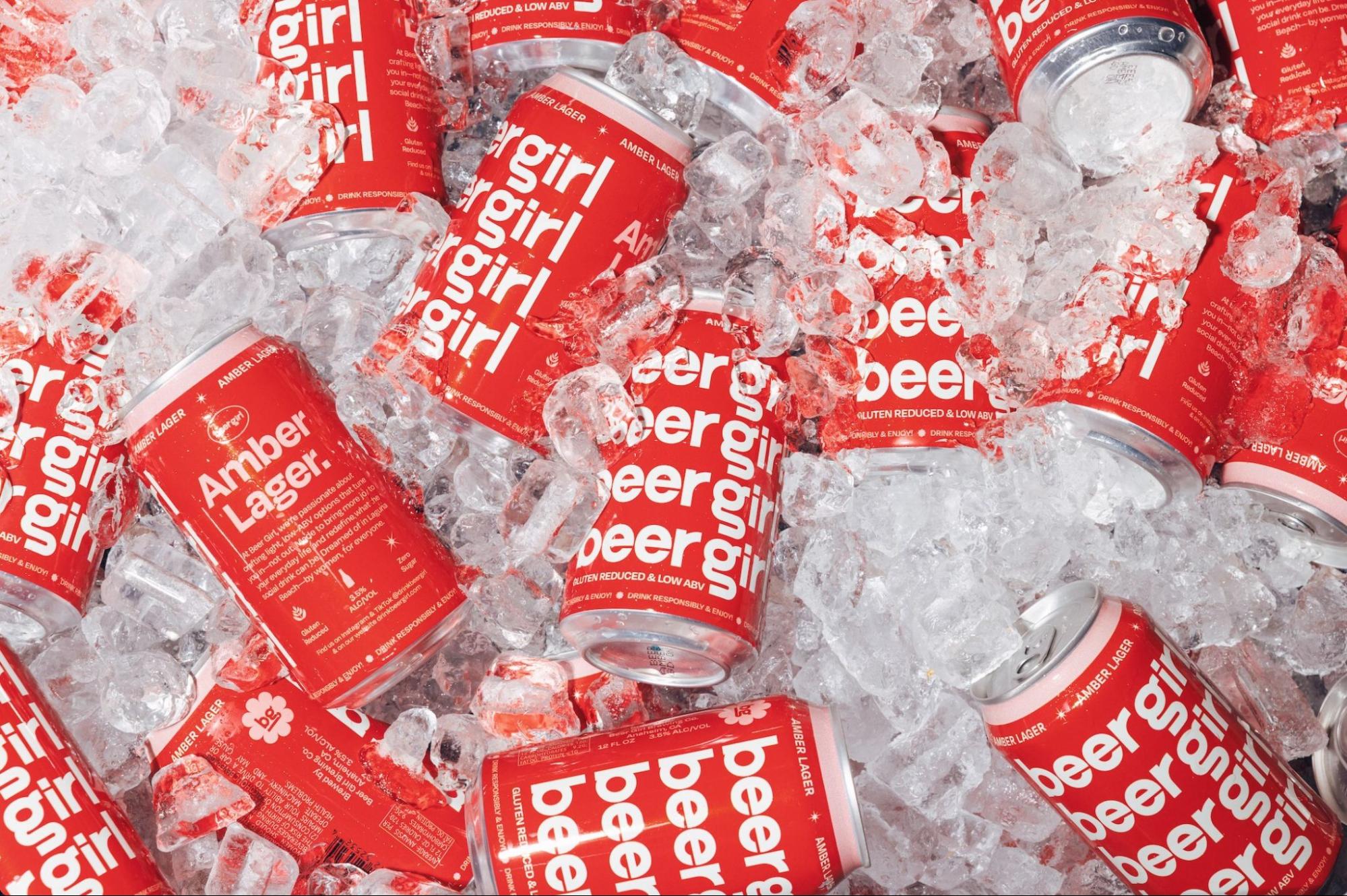
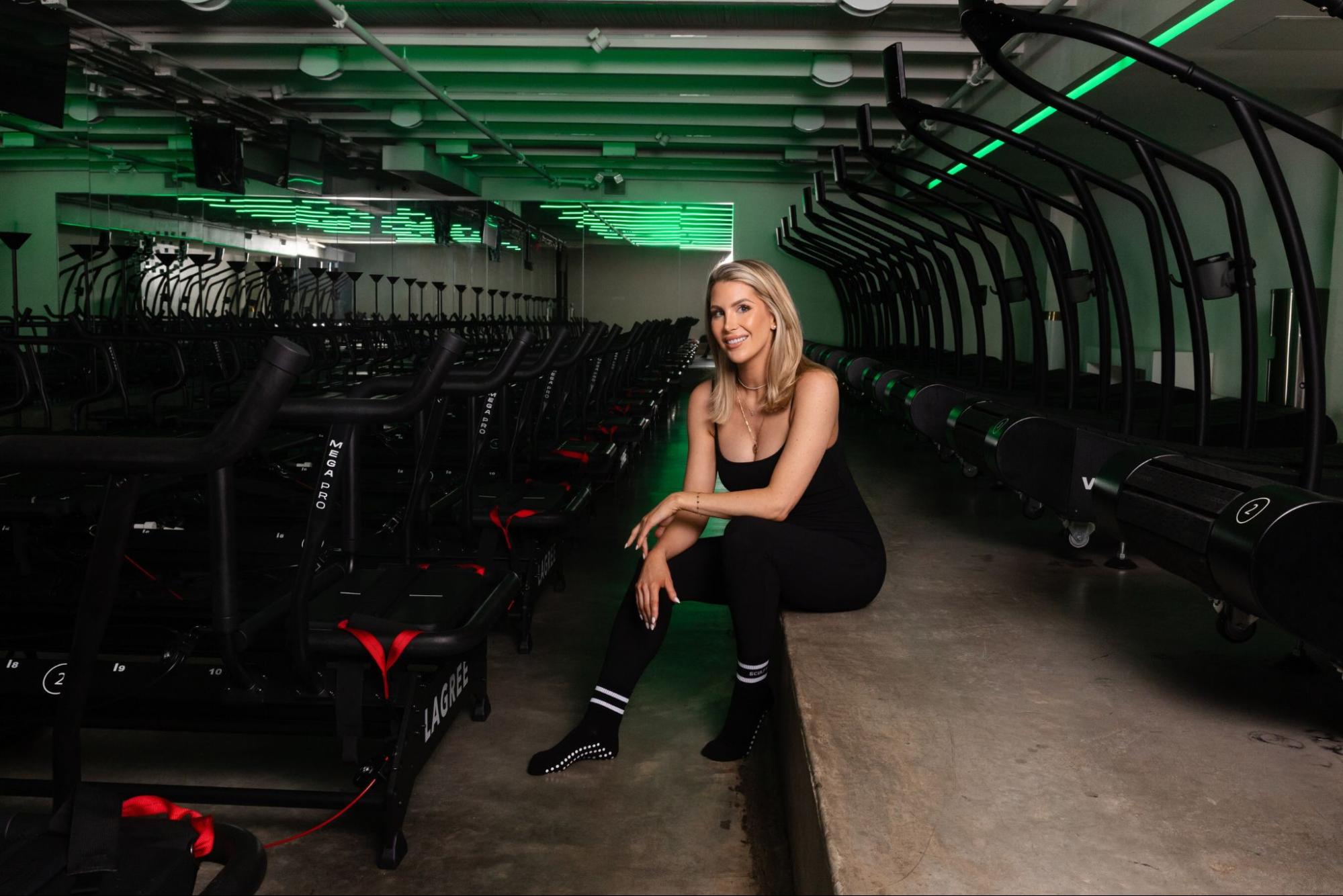
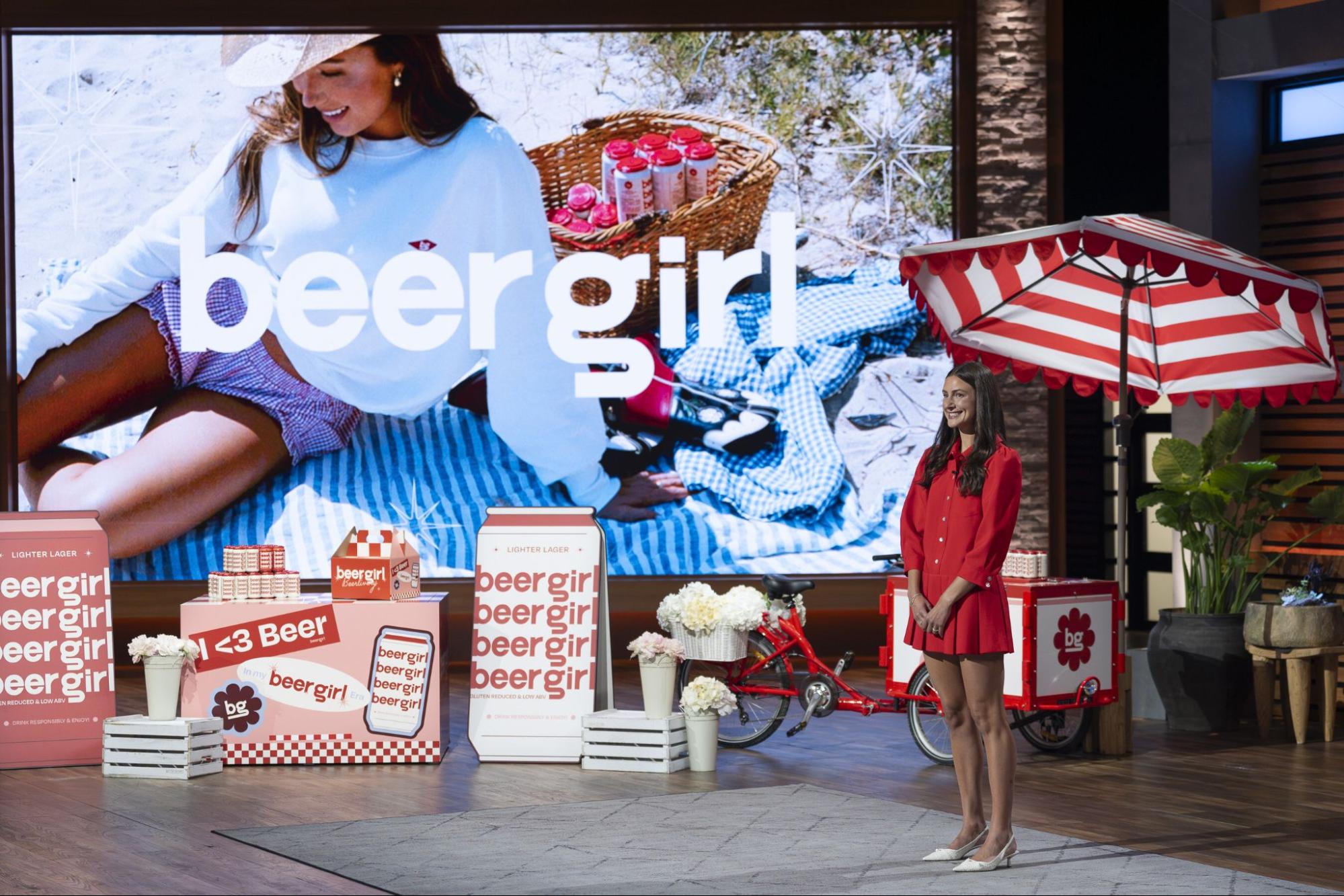
Beer Girl Brewing Co. is stepping onto a national stage as co-founder Caroline Foulk prepares to present the brand on ABC’s Shark Tank. The Laguna Beach–based company, which focuses on low-alcohol lagers, will appear on the program as part of a broader effort to expand visibility in a changing beer market.
The television appearance arrives at a moment when the brewing industry is grappling with shifting consumer expectations. In recent years, many drinkers—particularly younger consumers—have shown increasing interest in beverages that emphasize moderation, lower alcohol levels, and lighter ingredient profiles.
Beer Girl’s approach reflects that shift. The company produces lagers with a relatively low alcohol content and a formulation designed to feel lighter than traditional beers, positioning the product as an option for drinkers who want to enjoy beer without the heavier effects sometimes associated with higher-alcohol styles.
Foulk’s path to founding the brand grew out of both professional experience and personal circumstances. After spending time working at her family’s brewery, she observed that some customers avoided conventional beers because they felt overly heavy or uncomfortable after drinking them.
A later health diagnosis led her to reconsider ingredients and brewing methods more closely. Experimentation with corn-based brewing instead of wheat eventually shaped the recipe for Beer Girl’s flagship lager, which was first served at the family brewery before expanding into wider distribution.
Since its launch, the company has begun expanding into retail outlets and restaurants across several markets. Like many emerging beverage brands, Beer Girl is using a combination of regional distribution, online sales, and media exposure to reach new audiences.
Appearing on Shark Tank offers entrepreneurs a particularly visible opportunity to accelerate that process. The show has become a well-known platform where founders introduce new consumer products to investors while also reaching millions of viewers.
For smaller beverage companies, such moments can be especially influential in a crowded industry. Craft breweries and specialty drink brands often rely on storytelling—about founders, ingredients, or lifestyle shifts—to differentiate themselves in a market dominated by large producers.
Beer Girl’s story connects those elements: a family brewing background, a health-inspired product idea, and a broader cultural move toward moderation in alcohol consumption. Whether the television appearance leads to investment or simply broader recognition, it underscores how evolving drinking habits are opening space for new kinds of beer brands.