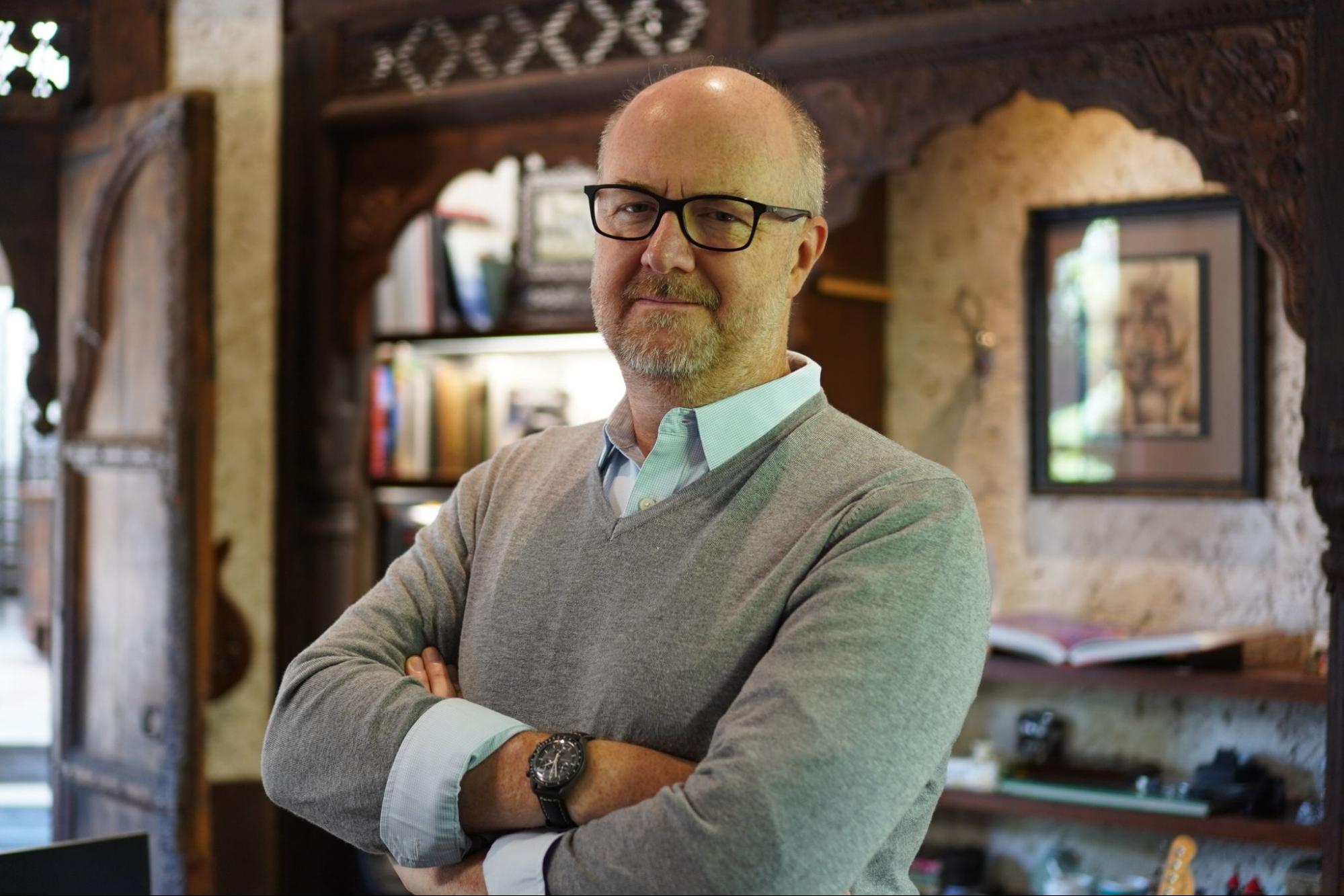
By appointing Markus Kritzler as CEO, the Calgary-based materials company is signaling a transition from proof to production, as low-carbon cement technologies move closer to industrial relevance.
Carbon Upcycling Technologies is entering a more consequential stage of its development with the appointment of Markus Kritzler as chief executive, a move that reflects the company’s shift from validation to commercialization. Founded to turn industrial byproducts and captured CO₂ into supplementary cementitious materials, Carbon Upcycling is now preparing to operate at industrial scale, beginning with its first commercial facility in Ontario. The leadership change arrives as demand intensifies for domestic, lower-carbon building materials amid infrastructure expansion and supply chain volatility.
The company’s recent momentum helps explain the timing. In 2025, Carbon Upcycling closed an $18 million funding round and advanced multiple projects across North America, including a flagship installation at the Ash Grove Mississauga Cement Plant. With ambitions to deploy five million tonnes of annual clean cement capacity within five years, the challenge ahead is less about scientific feasibility and more about execution, integration with legacy cement operations, and repeatable project delivery.
Kritzler’s background points squarely toward those priorities. Before joining Carbon Upcycling as chief revenue officer in 2025, he spent years shaping strategy at Holcim during a period of global consolidation and oversaw dozens of transactions in building materials and infrastructure finance. That experience positions him to navigate the complexities of scaling a climate technology within one of the world’s most emissions-intensive and conservative industries, where partnerships, permitting, and operational reliability matter as much as innovation.
The leadership transition also rebalances responsibilities at the top. Co-founder Apoorv Sinha’s move into the presidency allows him to concentrate on long-term strategy, investor relationships, and technology evolution while day-to-day operational control shifts to a CEO focused on delivery. This division mirrors a common inflection point for industrial climate startups as they evolve from laboratory-driven organizations into asset-heavy operators.
More broadly, the appointment highlights how the cement sector is changing. As governments push for decarbonization and builders seek materials that meet both cost and carbon constraints, technologies like Carbon Upcycling’s are being tested not just on environmental merit, but on their ability to fit seamlessly into existing supply chains. If its first commercial facilities perform as planned in 2026, the company could offer a practical pathway for reducing cement’s footprint without requiring wholesale replacement of infrastructure.
In that context, Carbon Upcycling’s leadership decision is less about a single executive and more about readiness. It signals that clean cement is moving from experimental promise toward industrial accountability, where scale, reliability, and economics ultimately determine impact.