The Laguna Beach brewer is moving into multiple states and online sales, reflecting broader shifts in consumer tastes toward lighter, lower-alcohol options in a challenged beer market.
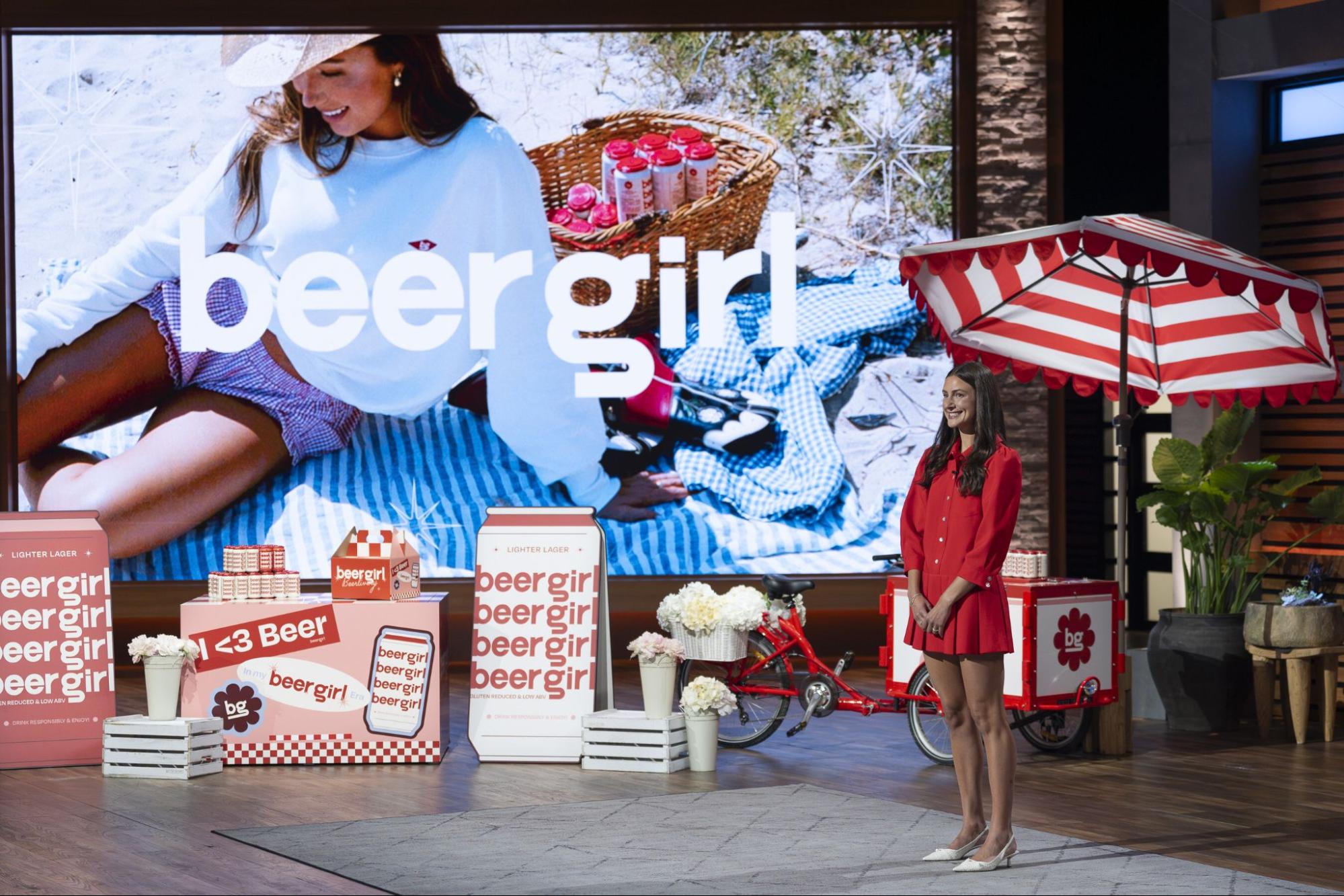
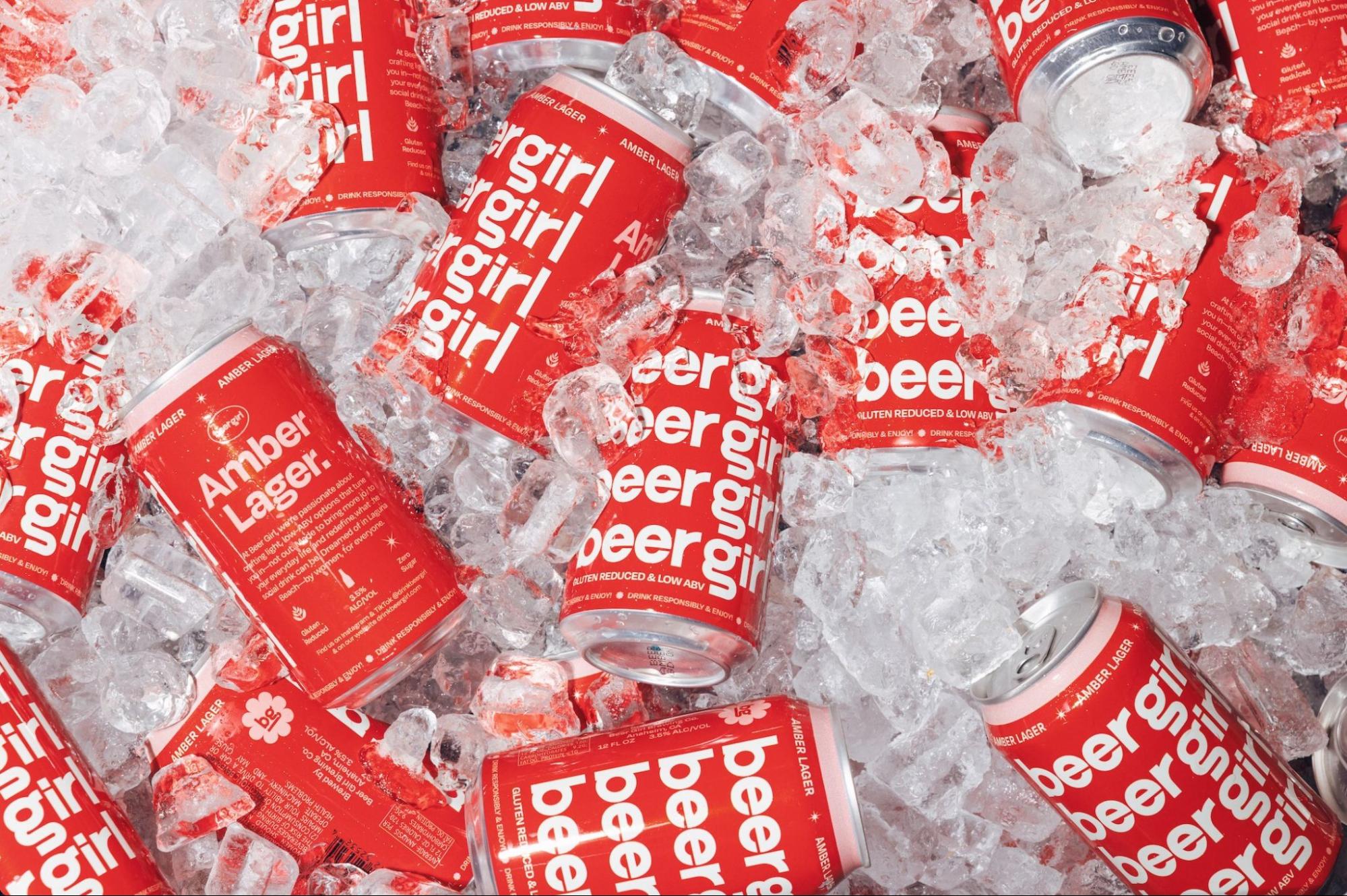
Beer Girl Brewing Co., a Laguna Beach–based producer of low-alcohol lagers, is expanding beyond its initial West Coast footprint with new distribution agreements across several U.S. markets. The company says its 3.5% ABV beers, marketed as zero sugar and gluten-reduced, will soon be available in Texas, Tennessee, North Carolina and Florida, adding to existing placements in California and Arizona.
The move comes at a moment of uncertainty for the broader beer category. Large brewers have faced slowing growth in traditional segments, while consumers increasingly gravitate toward lighter beverages, hard seltzers and non-alcoholic alternatives. Beer Girl’s emphasis on lower alcohol content and reduced gluten positions it within what is often described as a “better-for-you” niche, aimed at drinkers seeking moderation without abandoning beer entirely.
Alongside its multi-state push, the company plans to launch nationwide online shipping, offering direct access to consumers outside its distributor network. For smaller brands, digital sales can serve as both a testing ground and a brand-building tool, particularly when shelf space is limited and competition for tap handles remains intense.
Beer Girl has also added Zech Francis, a beverage industry executive known for scaling consumer brands, to its advisory board. His background in marketing and growth strategy suggests the company is preparing for a more competitive phase, where brand differentiation and retailer relationships can determine whether regional momentum translates into national staying power.
Founded in 2023 and formally distributed beginning in 2024, Beer Girl draws on its co-founder’s experience in a family brewery and a personal interest in lighter drinking options. Whether its disciplined, market-by-market expansion can carve out durable space in a crowded field remains to be seen, but its strategy reflects a broader recalibration within beer — one that prizes balance and moderation over volume alone.