The Nuremberg toy fair’s anniversary edition highlights how international reach, adult play, and curated knowledge exchanges are reshaping the role of industry gatherings in a volatile global market.
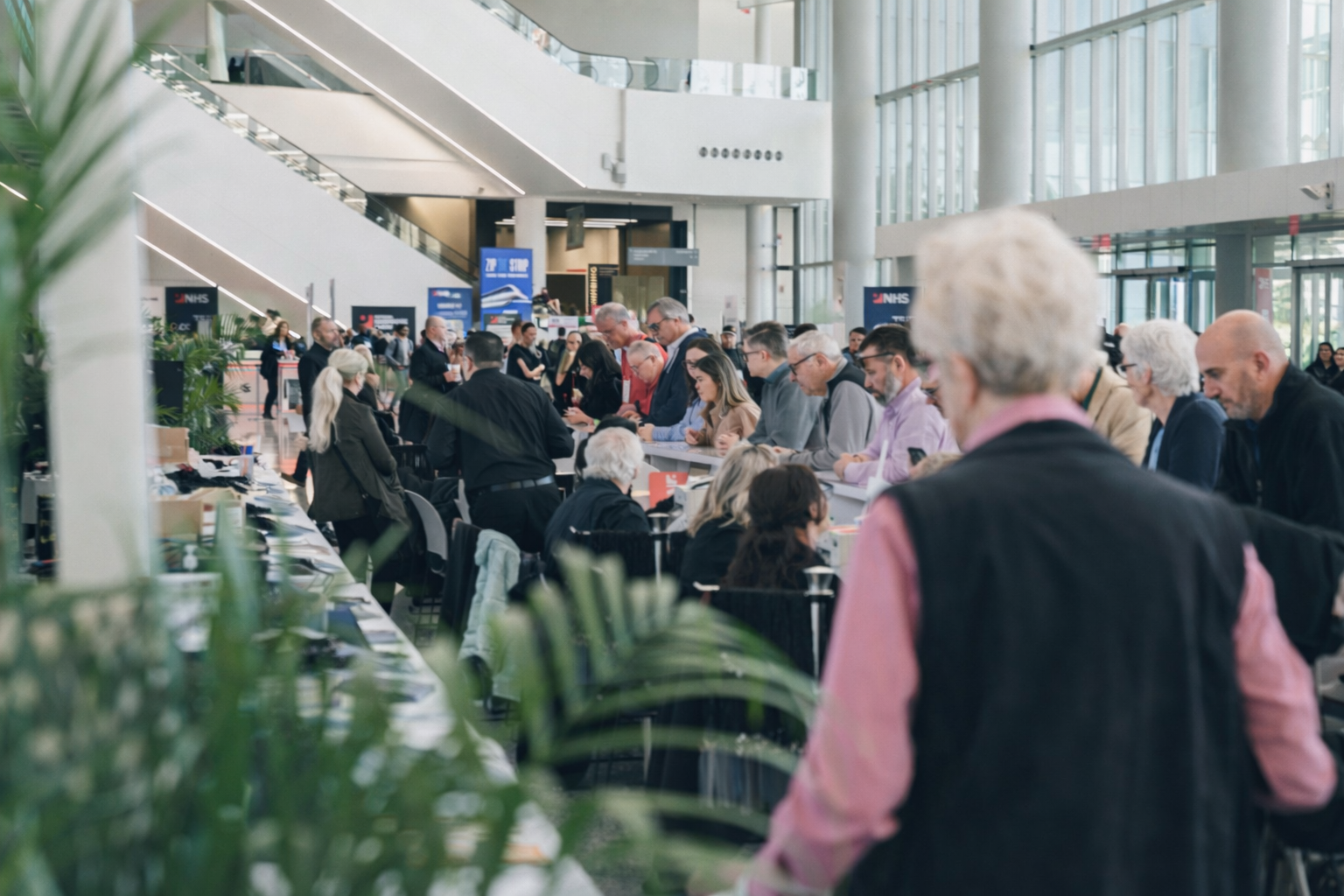
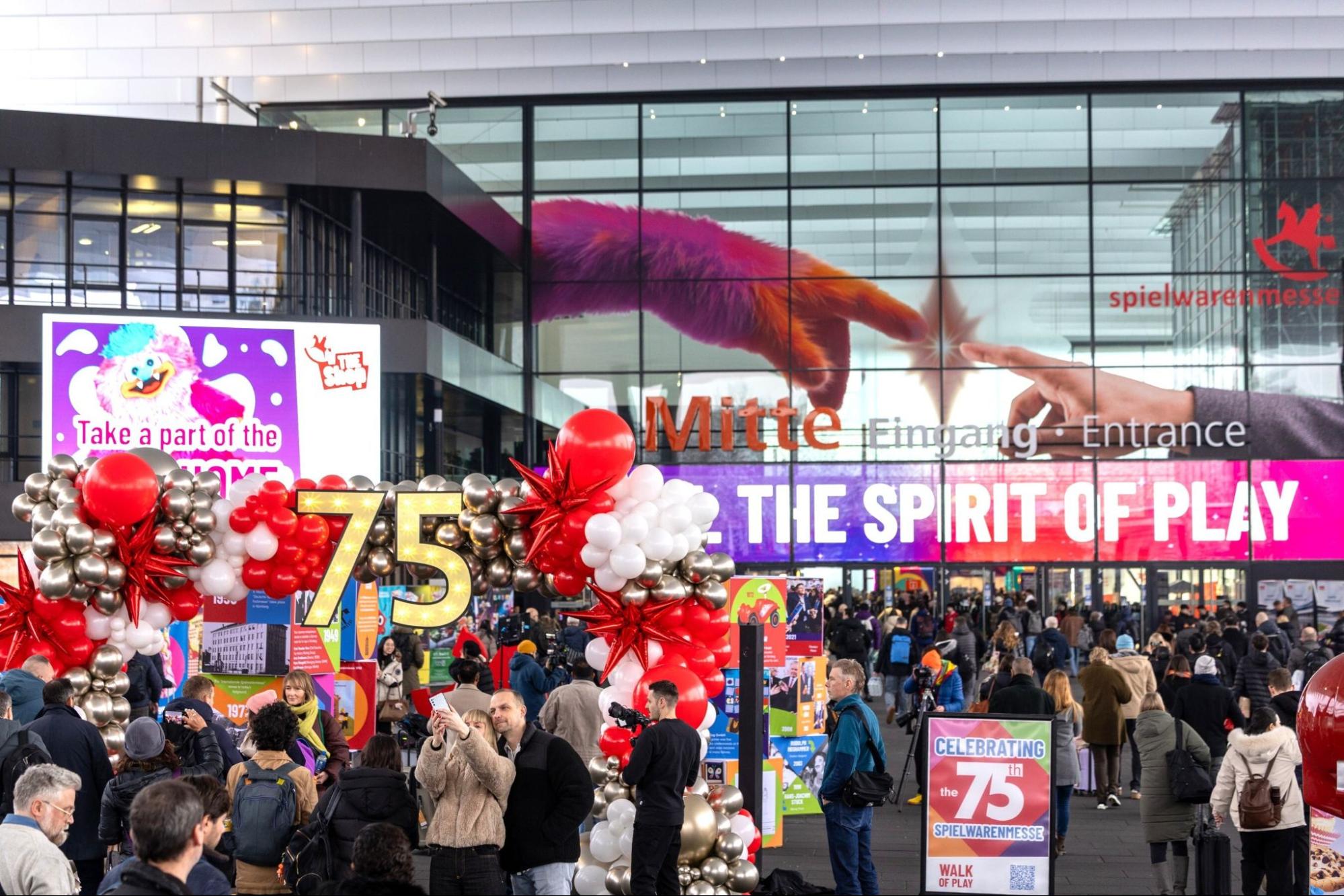
Spielwarenmesse eG marked the 75th edition of Spielwarenmesse at a moment when large international trade fairs face questions about relevance, travel constraints, and shifting buying habits. Yet the 2026 event in Nuremberg suggested that, for the toy industry, physical gathering still carries strategic weight. With more than 2,300 exhibitors from 68 countries and nearly 59,000 trade visitors, the fair functioned less as a celebration of longevity and more as a test of whether global connection still works under pressure.
The answer appeared cautiously affirmative. Attendance grew modestly despite geopolitical uncertainty, and participation remained broadly international, with notable increases from Asia and steady engagement from North America and Europe. In an industry increasingly shaped by regional tastes and licensing ecosystems, this diversity matters because it allows manufacturers and retailers to assess global demand in one concentrated setting rather than through fragmented digital channels.
What stood out was not only scale but direction. The prominence of “Kidults,” AI-driven play, and creative mindfulness signaled that the toy business is no longer defined strictly by children or seasonal cycles. These themes point to a market where play intersects with wellness, nostalgia, and technology, and where adult consumers are becoming a stabilizing force rather than a niche experiment.
Equally important was the fair’s emphasis on structured knowledge exchange. Forums, conferences, and inventor conventions turned the event into a temporary think tank, offering market data and practical insights alongside product showcases. This evolution reflects a broader shift in trade fairs from transactional venues toward hybrid spaces where strategy, learning, and networking carry as much value as immediate sales leads.
The strong intention among exhibitors to return in 2027 suggests confidence not just in Spielwarenmesse itself, but in the model it represents. As industries grapple with digital fatigue and uncertain global logistics, the fair’s anniversary edition illustrated how in-person platforms can remain relevant by adapting their purpose. Rather than simply displaying products, Spielwarenmesse increasingly acts as a mirror for where the toy industry is headed, and a reminder that relevance comes from interpretation as much as tradition.