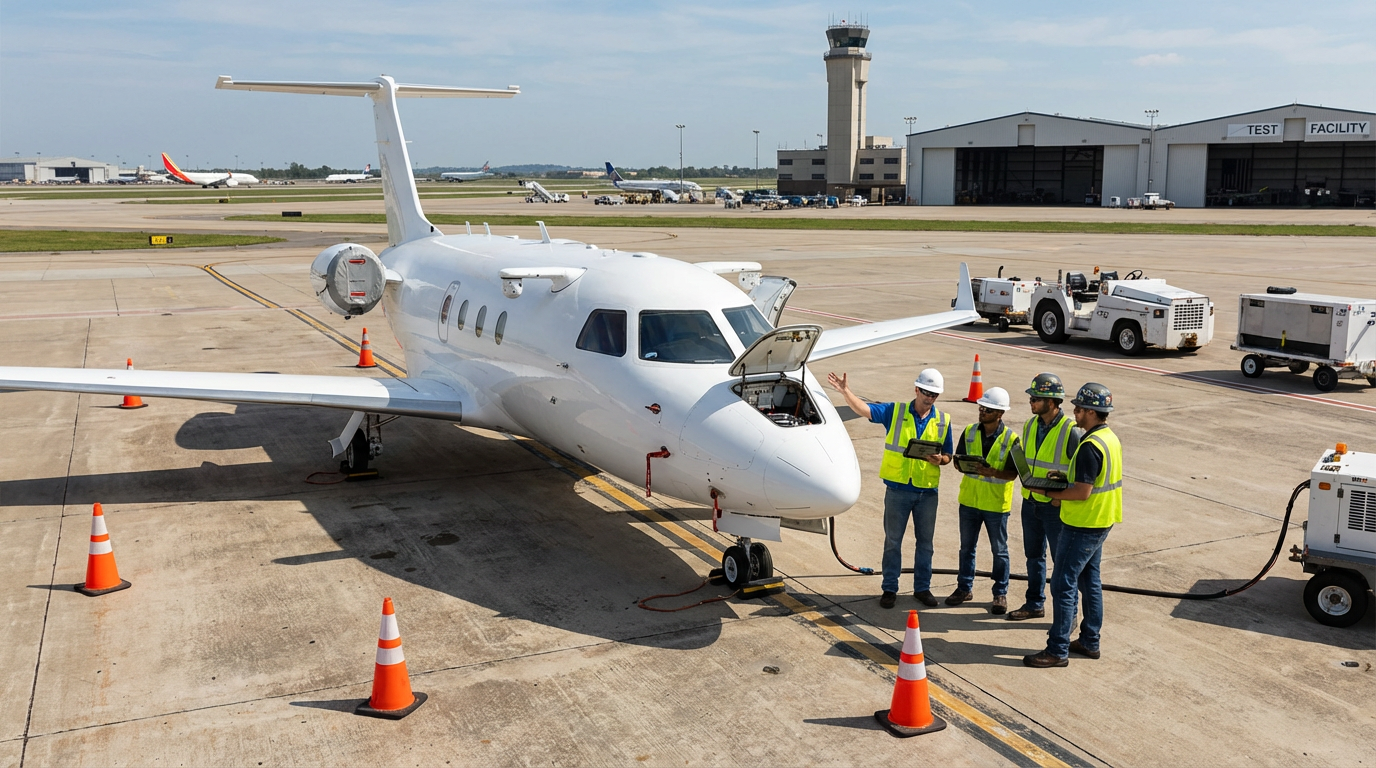
By adopting NVIDIA’s safety-grade AI platform, Archer is positioning artificial intelligence not as an add-on feature, but as core infrastructure for how future aircraft sense risk, share airspace, and prepare for autonomy.
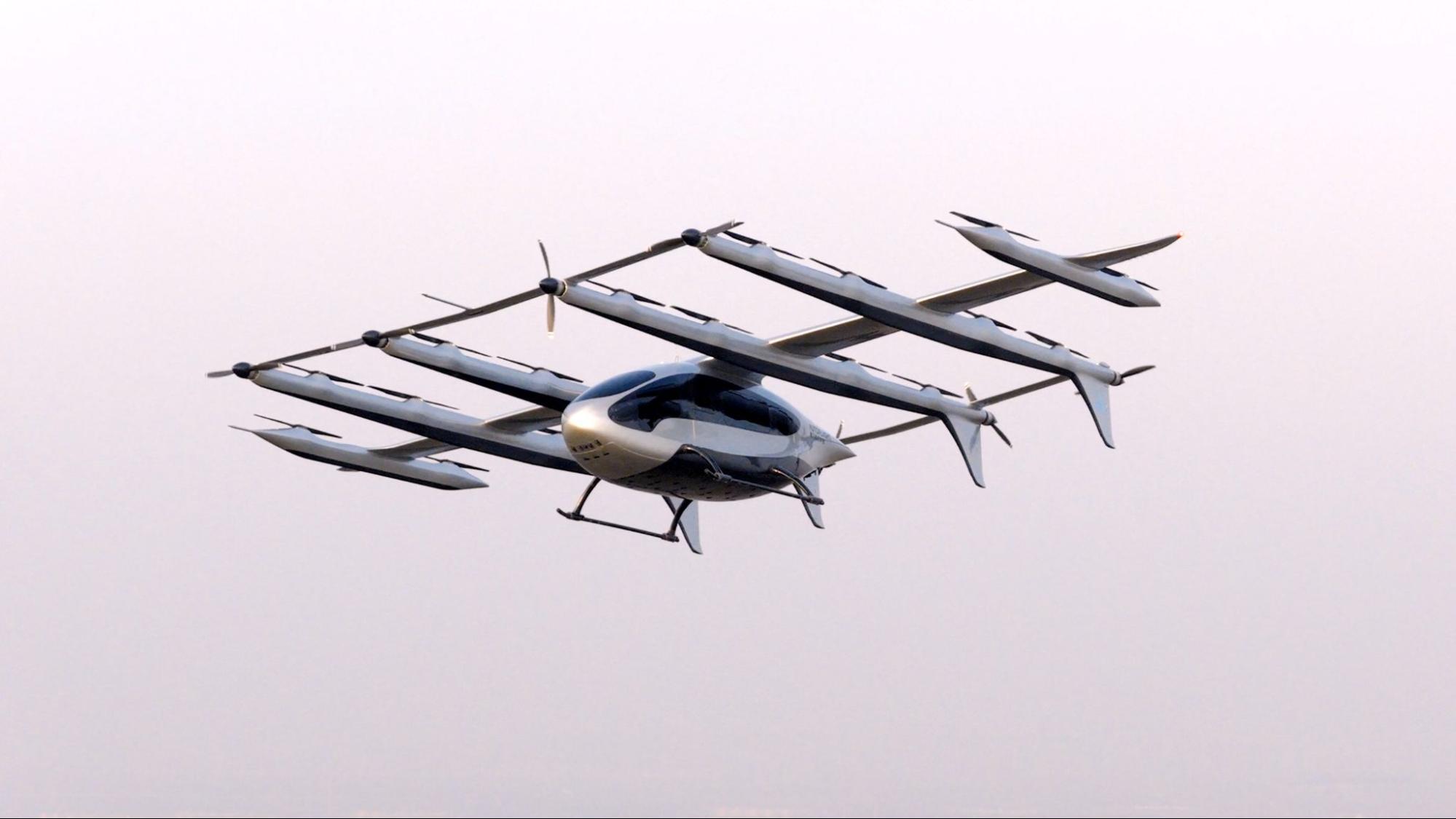
Archer Aviation’s decision to build its next generation of aviation systems around NVIDIA’s IGX Thor platform reflects a broader change in how aircraft are being conceived. Rather than treating artificial intelligence as a supplemental tool, Archer is embedding it into the foundation of flight safety, airspace coordination, and long-term autonomy planning. The announcement underscores how emerging air mobility companies are redefining aviation as a software-driven discipline as much as a mechanical one.
Aviation has always been conservative for good reason, but congestion, urban operations, and new vehicle types are pushing existing systems to their limits. Archer’s focus on real-time perception and predictive awareness highlights a growing recognition that human pilots alone cannot process every variable in dense, mixed-use airspace. AI systems capable of interpreting sensor data and forecasting hazards may become essential for maintaining safety as flight paths grow more complex.
Equally significant is Archer’s emphasis on airspace integration rather than pure autonomy. The challenge is not just building smarter aircraft, but ensuring they coexist with helicopters, commercial jets, and general aviation traffic governed by legacy rules. By targeting dynamic routing and traffic-aware planning, Archer is acknowledging that the success of electric air taxis depends as much on coordination with existing infrastructure as on vehicle performance.
The choice of NVIDIA’s IGX Thor platform points to another reality: aviation-grade AI requires hardware designed for failure tolerance, not experimentation. Safety-certified, onboard computing marks a departure from cloud-dependent models common in other industries. For aircraft, latency, reliability, and predictability are non-negotiable, and this partnership reflects how AI development is adapting to those constraints.
Archer’s plans to use its Hawthorne airport facility as both an operational hub and a testing ground reinforce the idea that AI will influence the entire aviation lifecycle. Beyond flight, these systems are expected to shape manufacturing processes, fleet monitoring, and pilot training. While the timeline for large-scale deployment remains uncertain, the direction is clear: aviation is moving toward a future where intelligence is built into every layer of the aircraft, redefining how safety and efficiency are achieved in the skies.