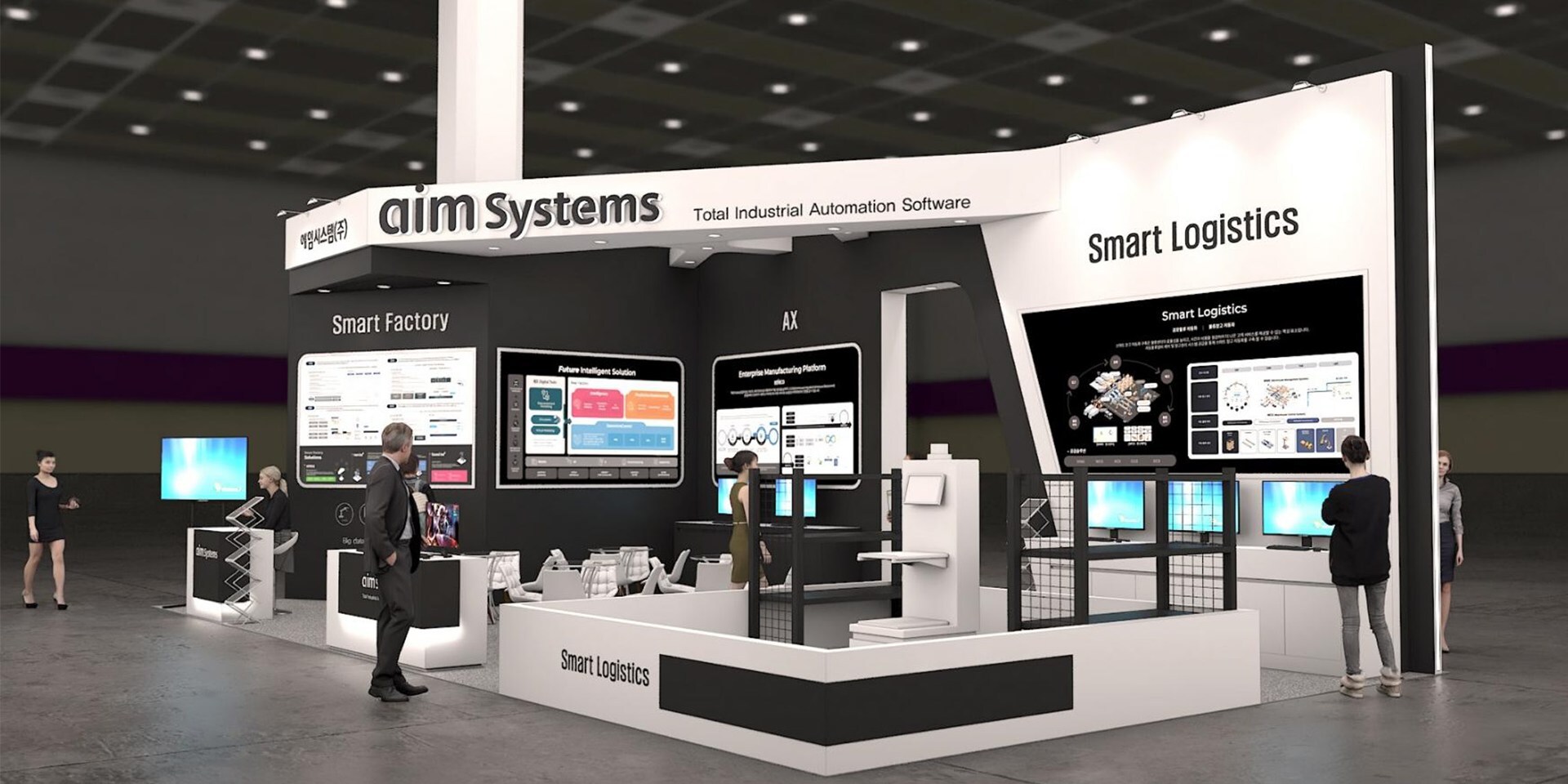
At Seoul’s Smart Factory + Automation World 2026, the company outlines a roadmap that moves beyond automation toward data-driven, self-optimizing manufacturing systems.
aim Systems will use this year’s Smart Factory + Automation World 2026 in Seoul to articulate a shift in focus: from conventional smart factories to what it calls the “AI Factory.” The South Korea–based manufacturing software company plans to present a detailed roadmap and new AI Transformation (AX) solutions designed to embed artificial intelligence more deeply into production environments.
The distinction reflects a broader industry debate about what comes after automation. While smart factories have emphasized connected equipment and digital monitoring, aim Systems is proposing systems that can interpret operational data and make optimization decisions with less human intervention. Its forthcoming AX product is positioned as a core engine for this model, drawing on the company’s existing software base and field experience.
At the exhibition, aim Systems will introduce a step-by-step roadmap outlining how manufacturers might transition toward AI-driven operations. Rather than framing the shift as an abstract technology upgrade, the company says it will provide diagnostic services on-site, allowing visitors to assess their current processes and explore potential AI application scenarios. The emphasis appears to be on practicality—how AI tools translate into measurable changes on the factory floor.
Logistics will also feature prominently in the company’s demonstration. In collaboration with autonomous mobile robot specialist Twinny, aim Systems plans to showcase an integrated system linking its logistics management software with automated hardware. The live demonstration is intended to illustrate how software and equipment can operate in tandem to streamline material movement and facility control.
The event itself, held at COEX from March 4 to 6, has become a barometer for industrial automation trends in Asia. By framing AW2026 as a turning point, aim Systems is aligning its message with a wider manufacturing push toward AI-enhanced productivity and operational resilience.
Whether the “AI Factory” becomes a distinct category or simply the next phase of digital manufacturing remains to be seen. For companies navigating rising labor costs, supply chain disruptions and competitive pressures, the promise of systems that can analyze and optimize in real time holds clear appeal—but adoption will likely hinge on demonstrable performance gains rather than terminology.