
ASUS research suggests many small companies are eager to adopt AI tools, but aging or unreliable devices may slow the transition, highlighting the overlooked role of durable hardware.
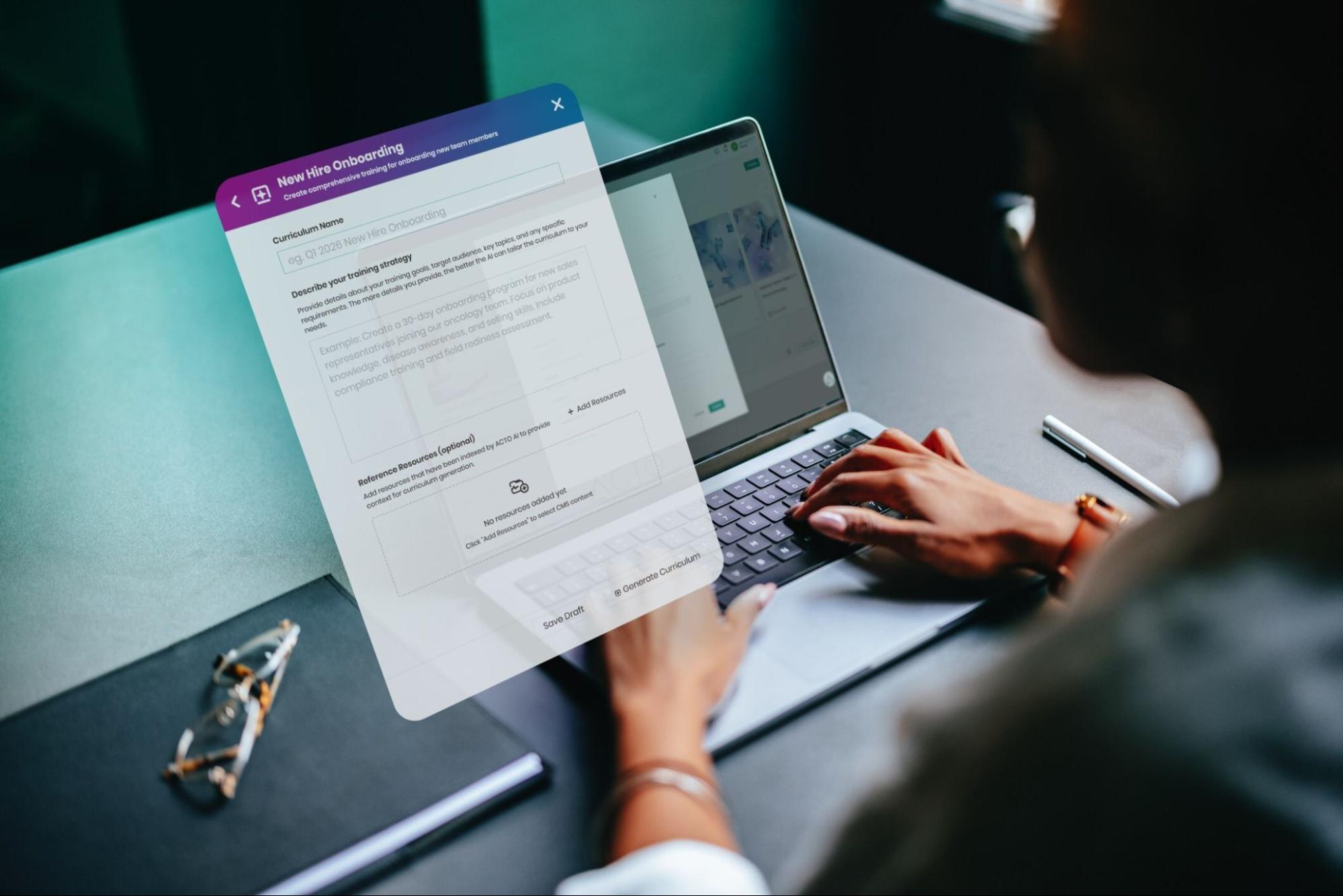
ASUS has released findings from its Future of SMB Report suggesting that small and medium-sized businesses are increasingly interested in adopting artificial intelligence, but many face an obstacle that receives less attention than software innovation: the reliability of the hardware running it. The report indicates that while nearly half of surveyed SMB leaders say they are ready to implement AI tools today, existing computer systems may not be prepared for the technical demands those tools bring.
The data highlights a tension between enthusiasm for new technology and the practical realities of everyday operations. According to the report, 31 percent of small businesses say they experience downtime caused by hardware malfunctions, while a majority report occasional reliability issues. For companies with limited IT resources, such disruptions can interrupt operations and make it difficult to maintain consistent digital workflows.
AI applications place particularly heavy demands on computing infrastructure. Tasks such as data analysis, automation, and generative AI often require greater processing power and stable systems capable of handling continuous workloads. If devices already struggle under routine use, businesses may find it difficult to support more advanced tools without upgrading their equipment.
The report also reflects how workplace expectations have evolved as employees increasingly work from multiple locations. Laptops and other devices must withstand travel, remote work environments, and limited technical support. In that context, durability and longevity become practical concerns rather than technical specifications, with 73 percent of respondents indicating that professional computers should outlast consumer devices.
Maintenance adds another layer of complexity. More than one-third of SMB leaders surveyed cited system updates and upkeep as a significant challenge, particularly when unexpected crashes or slow performance disrupt work. Reliable hardware can reduce those interruptions, allowing businesses to adopt new technologies without adding operational friction.
For technology providers, the findings highlight an often overlooked aspect of the AI transition. While much public discussion centers on algorithms and software platforms, the physical devices powering those systems remain essential to their success. Without dependable hardware, even the most advanced AI applications may struggle to deliver their intended benefits.
The ASUS report ultimately suggests that the future of workplace AI may depend as much on practical infrastructure as on innovation. For small businesses eager to modernize, the path forward may begin not with software alone, but with the machines capable of supporting it.