Hisense’s latest appliance points to a broader shift in how everyday household tools are being redesigned to reduce friction, blending visibility, automation, and connectivity into routine kitchen tasks.
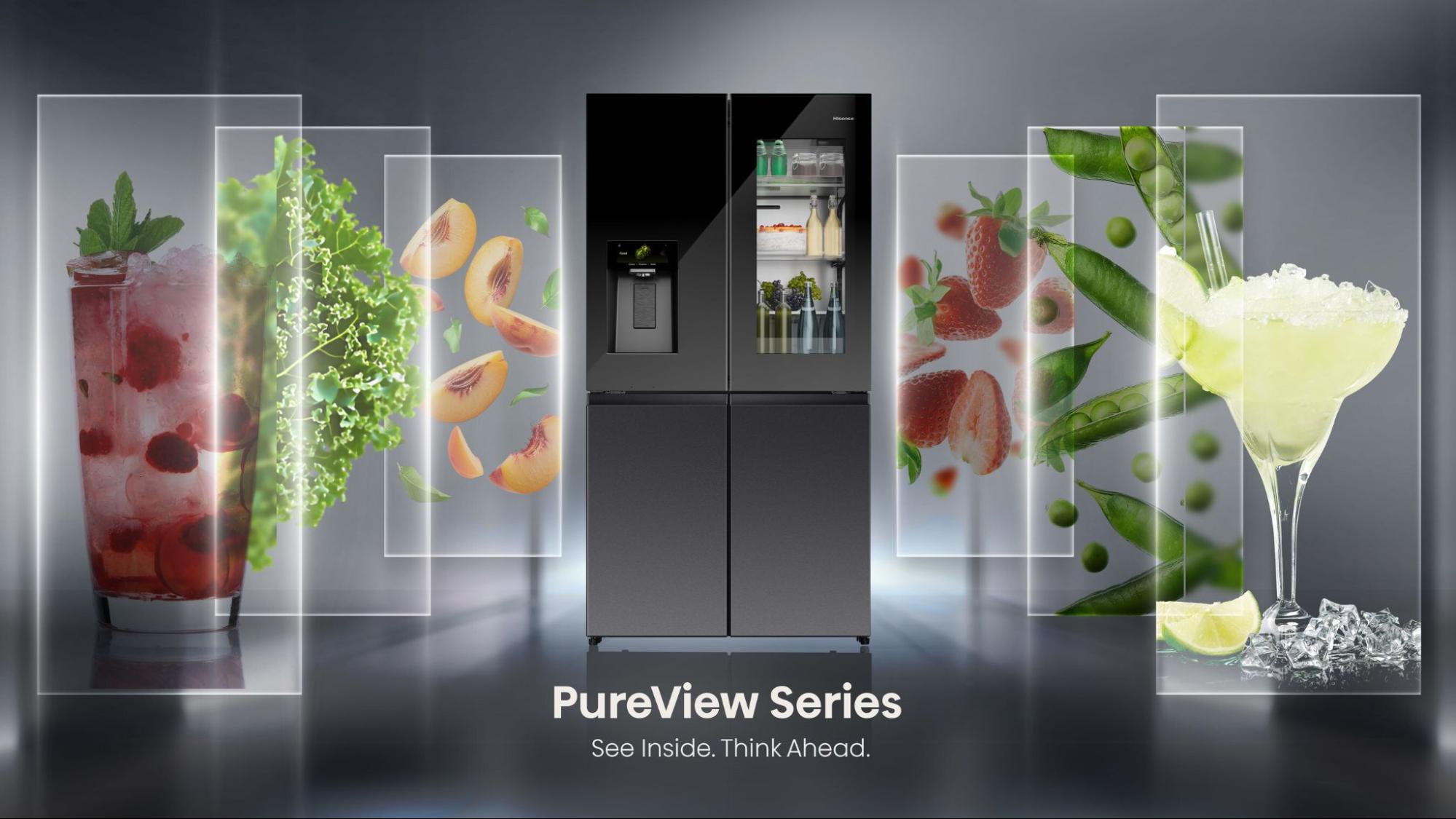
Hisense has introduced the Pure View 780L refrigerator, a product that emphasizes convenience through small but deliberate design changes. Its most distinctive feature—a transparent door panel that allows users to see contents without opening the fridge—addresses a common inefficiency: the repeated loss of cold air during routine checks.
While seemingly minor, this kind of visibility reflects a growing focus on energy efficiency and food management. By reducing unnecessary door openings, such features may help limit temperature fluctuations, which can affect both energy consumption and food preservation over time. It also introduces a subtle behavioral shift, encouraging users to interact with appliances more passively and efficiently.
The refrigerator also incorporates a touchscreen interface and inventory-tracking capabilities, suggesting how digital features are being integrated into traditionally analog spaces. Tools that track expiration dates or suggest recipes based on available ingredients point to an effort to reduce food waste while simplifying meal planning. These additions align with a wider movement toward “smart kitchens,” where appliances act as assistants rather than static storage units.
Voice controls and remote access through connected apps further extend this idea, enabling users to adjust settings or check contents without being physically present. While such features are becoming more common, their effectiveness often depends on how seamlessly they integrate into daily routines rather than how many functions they offer. The challenge for manufacturers is ensuring that added complexity translates into genuine utility.
Beyond connectivity, the Pure View 780L also highlights ongoing attention to hygiene and storage flexibility. Features such as antibacterial materials, adjustable temperature zones, and faster ice production reflect practical concerns that remain central to appliance design, even as digital capabilities expand.
Taken together, the product illustrates how the modern refrigerator is evolving from a passive storage unit into a more interactive household system. Whether these innovations become essential or remain optional conveniences will depend on how well they address everyday habits, from managing groceries to preparing meals under time pressure.