Constellation’s Platts Global Energy Award for the Crane Clean Energy Center highlights how nuclear power is re-entering the conversation as cloud computing and data centers strain regional grids.
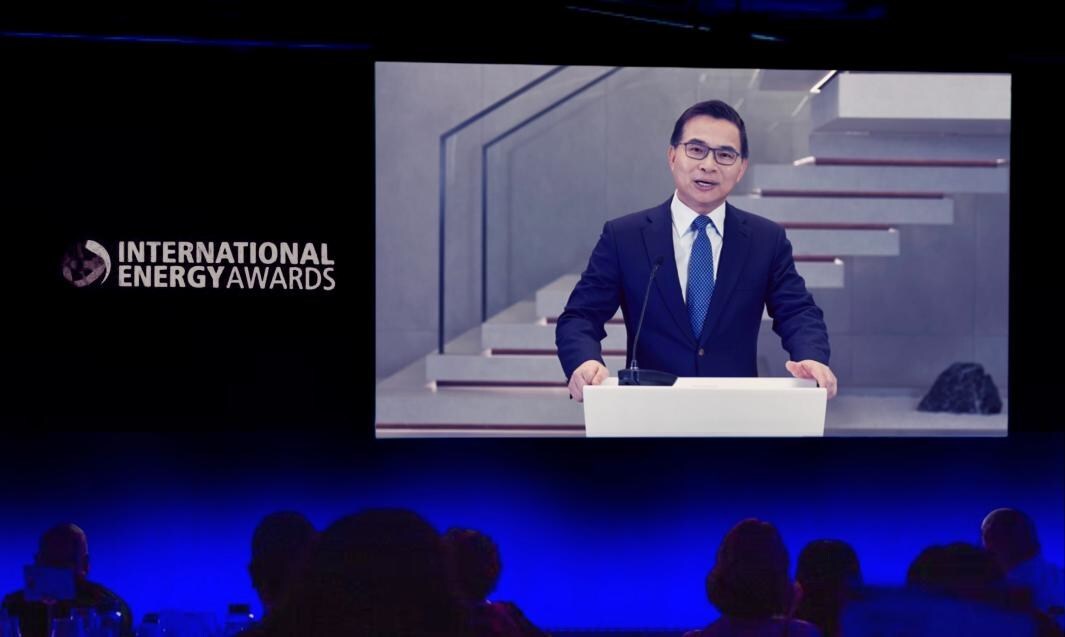
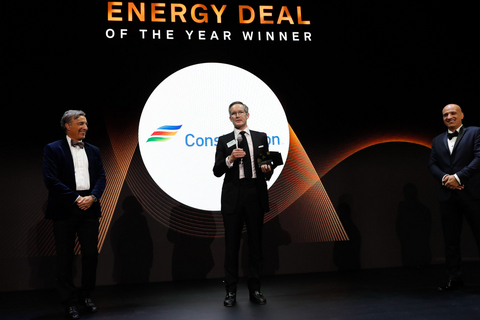
Constellation has received the Platts “Energy Deal of the Year” award for its long-term power purchase agreement with Microsoft, a partnership that enabled the restart of the Crane Clean Energy Center in Pennsylvania. The recognition speaks less to awards culture than to a turning point for U.S. nuclear power, which is being reconsidered as digital infrastructure drives unprecedented electricity demand. With data centers now central to the economy, questions about where their energy comes from are becoming harder to ignore.
The 20-year agreement will supply Microsoft with 835 megawatts of emissions-free energy—enough to match the power needs of its PJM-region data centers. For Constellation, the arrangement provided financial certainty to bring the previously retired Unit 1 reactor back online, reversing a 2019 shutdown. This pairing of tech-sector demand with nuclear capacity illustrates a new model for balancing reliability with climate goals.
Industry observers have noted that the restart carries broader implications beyond the bilateral deal. Nuclear plants have faced economic headwinds for more than a decade, often losing out to cheaper natural gas and subsidized renewables. Yet the resurgence of electricity-intensive computing has revived interest in stable baseload power, and the Crane project suggests that private off-take agreements may offer a viable path for other dormant facilities.
Constellation’s award also comes at a time when policymakers are debating how to prepare the grid for rapid load growth driven by artificial intelligence, electrification, and industrial reshoring. The sizable economic projections associated with the Crane restart—thousands of jobs and billions in expected state GDP contributions—reflect the political stakes now embedded in energy decisions. While such projections are estimates, they hint at why state and federal leaders are increasingly attentive to energy security.
For the Platts judging panel, the deal appears to represent a convergence of innovation and pragmatism in an industry facing structural change. Nuclear power remains contentious, but the Crane restart demonstrates that its fortunes may be tied less to public rhetoric and more to the quiet, practical demands of the data economy. As tech companies seek firm, low-carbon energy, the line between digital expansion and energy policy is becoming harder to separate.