
The launch of EMBERPOINT brings defense, utility, software, and finance leaders together, reflecting a broader shift toward coordinated, technology-driven approaches as wildfires strain public systems and response capacity.
Lockheed Martin has joined PG&E Corporation, Salesforce, and Wells Fargo to launch EMBERPOINT, a new venture aimed at improving how wildfires are detected, prevented, and managed. The partnership reflects growing recognition that wildfire risk has outpaced the fragmented tools traditionally available to utilities, governments, and first responders. As fires become more frequent and destructive, the announcement underscores how wildfire response is increasingly treated as a national infrastructure challenge rather than a regional emergency.
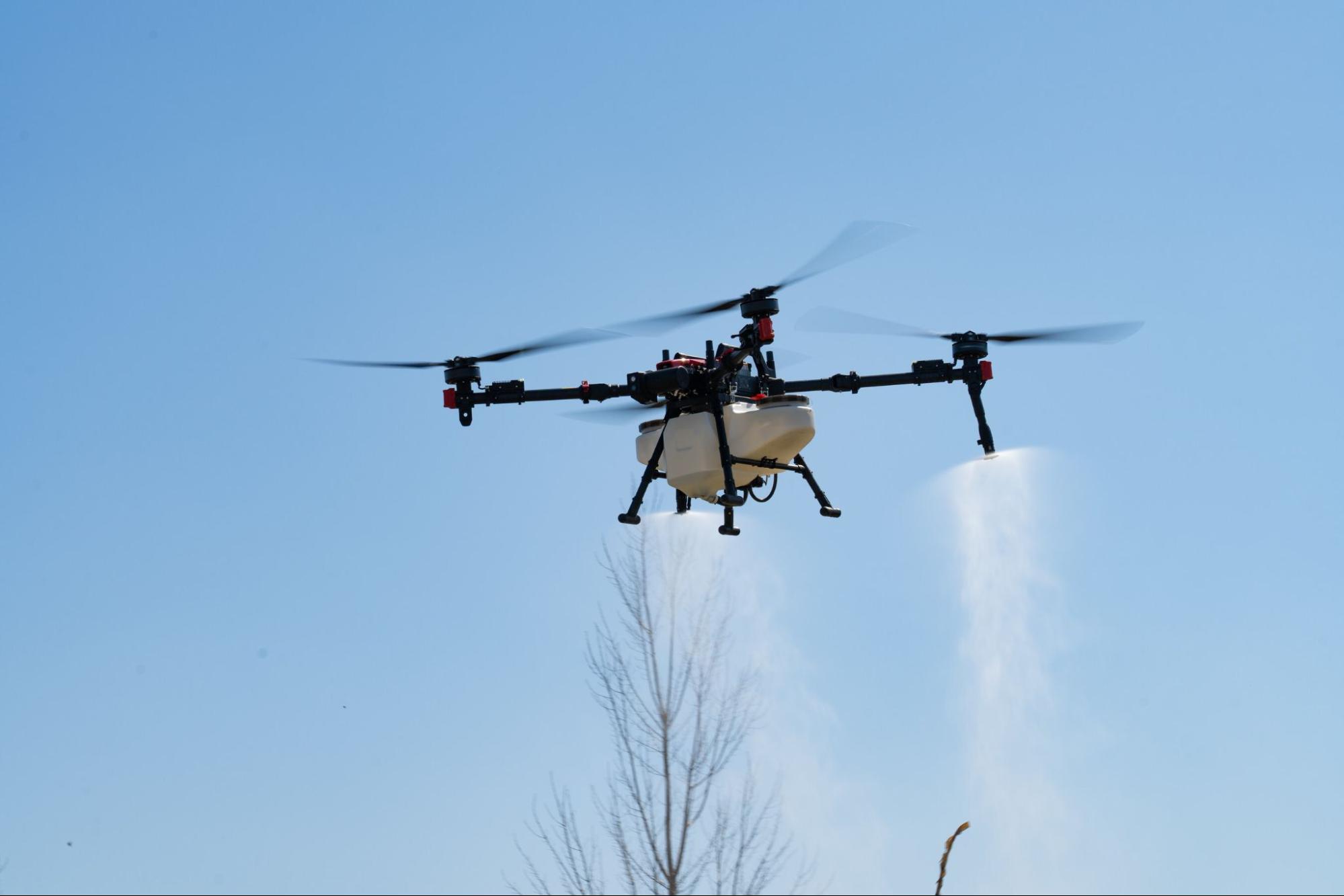
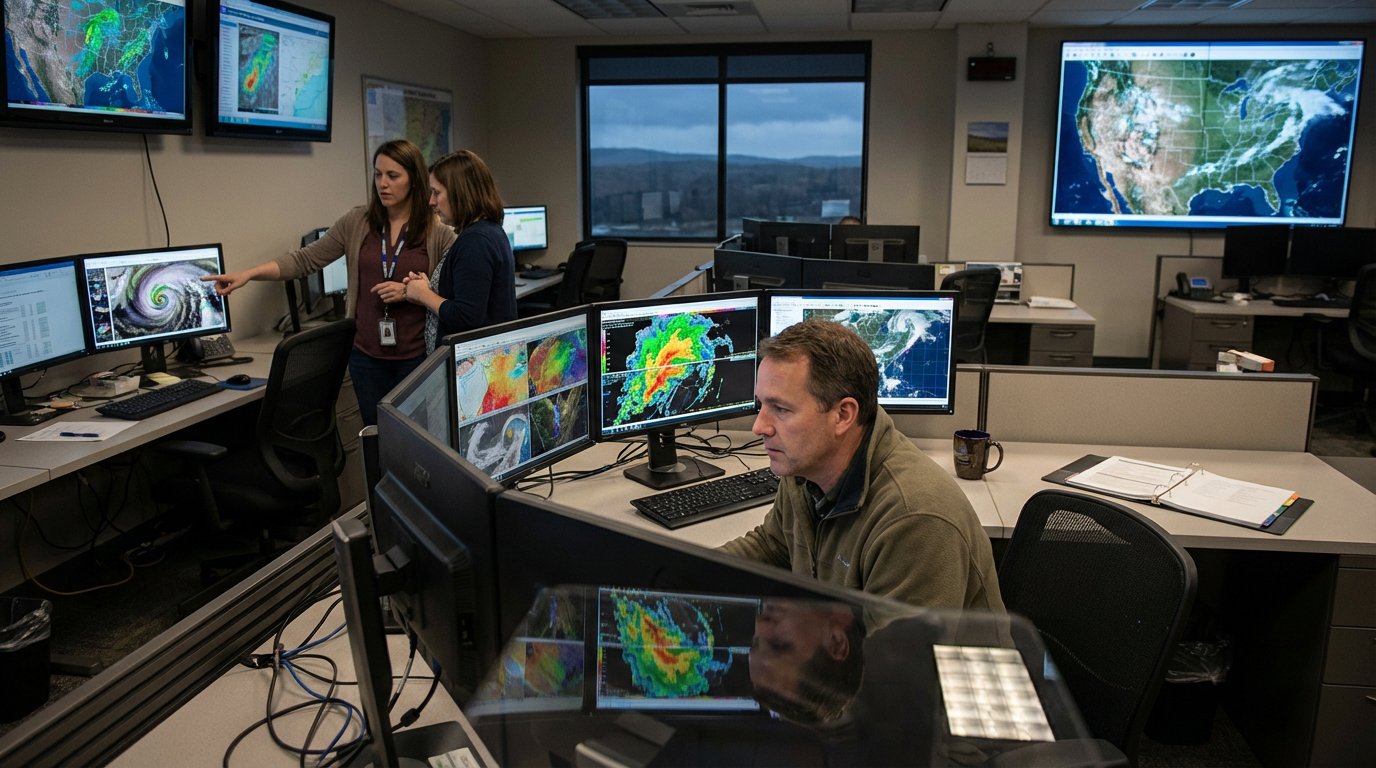
EMBERPOINT is designed to integrate artificial intelligence, autonomous systems, and shared command-and-control platforms into a single operational framework. Instead of developing new technologies from scratch, agencies and utilities would gain access to existing systems adapted from defense, enterprise software, and large-scale risk management. The approach suggests that speed and interoperability now matter as much as innovation in addressing wildfire threats.
Each partner contributes a distinct capability shaped by its industry. Lockheed Martin brings sensing, prediction, and autonomous response technologies originally developed for defense and aerospace contexts. PG&E adds operational experience managing wildfire risk across vast and diverse service territories, while Salesforce provides tools for real-time data coordination and Wells Fargo supports the venture through capital investment.
The collaboration highlights how wildfire prevention increasingly depends on coordination across sectors that rarely intersect in day-to-day operations. Utilities, emergency agencies, technology platforms, and financial institutions face overlapping exposure to wildfire damage, from infrastructure loss to economic disruption. EMBERPOINT’s structure reflects an effort to align incentives and capabilities before disasters occur, rather than relying on reactive responses afterward.
Whether the venture delivers on its ambitions will depend on execution, regulatory approvals, and adoption by public agencies. Demonstrations planned for 2026 will test whether integrated systems can meaningfully improve early detection, response speed, and firefighter safety at scale. More broadly, the initiative signals a shift in how wildfire risk is framed: not only as an environmental or regional issue, but as a systemic challenge demanding coordinated national solutions.