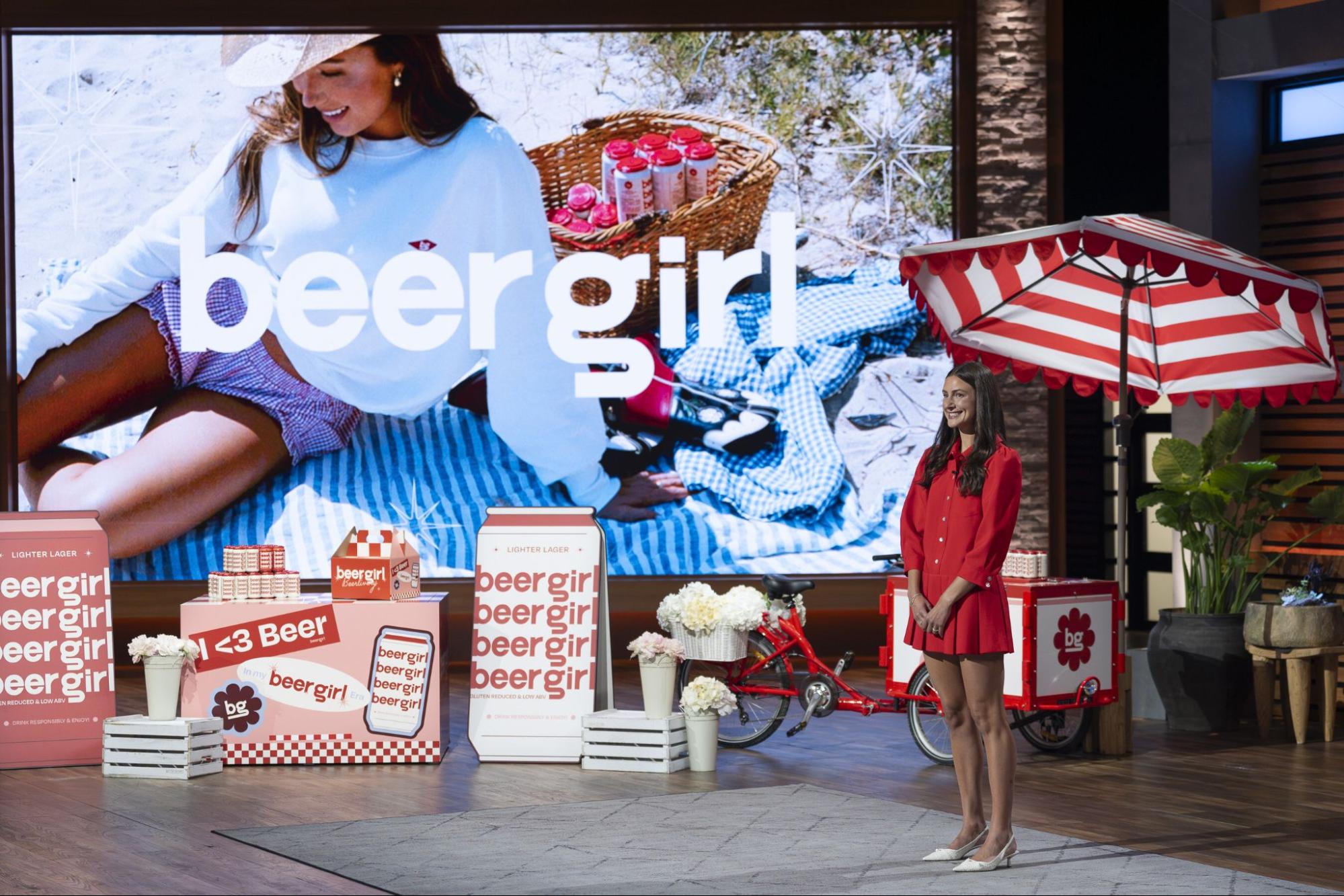
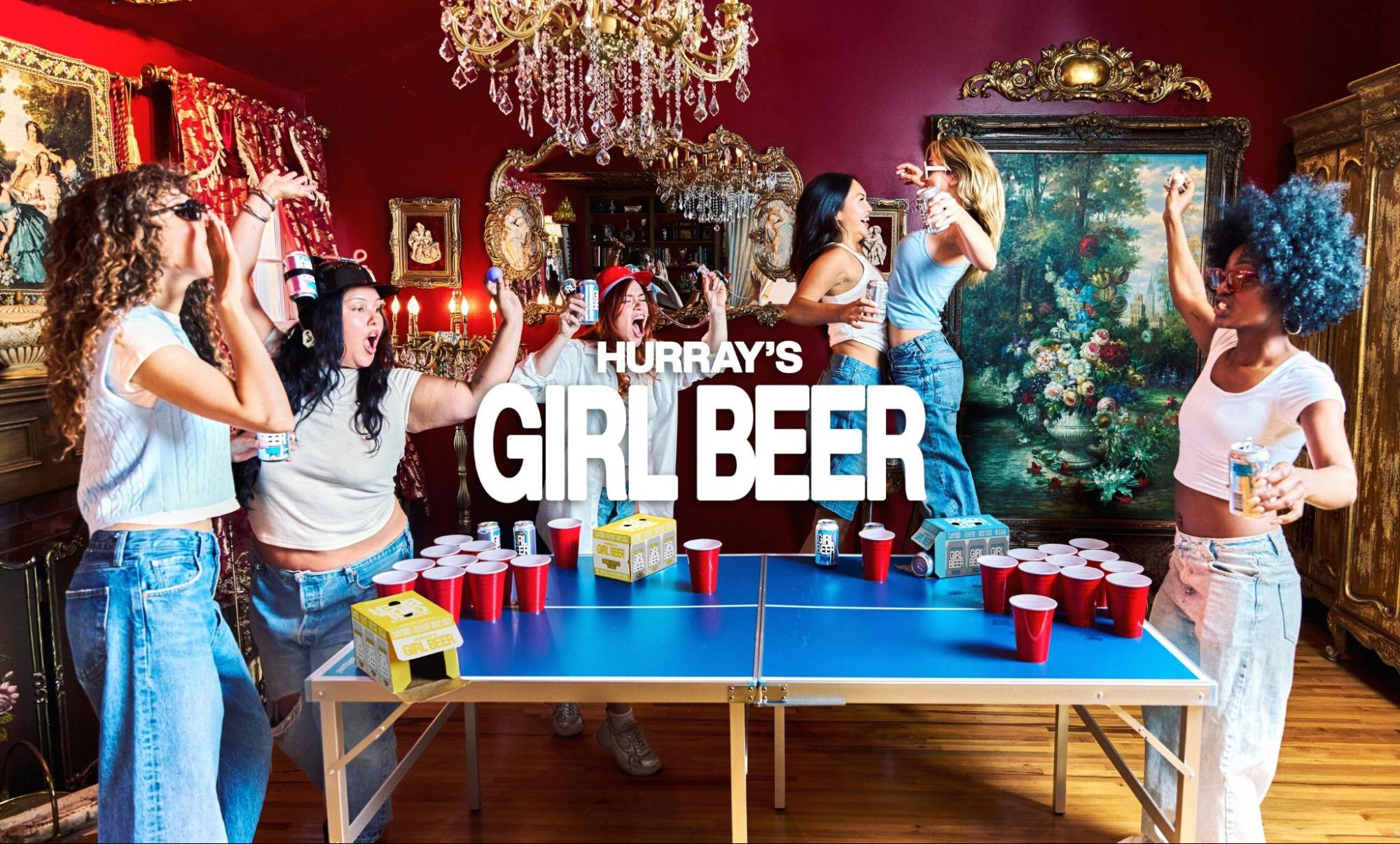
With new funding and national retail partnerships, Hurray’s GIRL BEER is testing whether a flavored, culture-driven approach can attract younger drinkers—especially women—to a category long dominated by tradition.
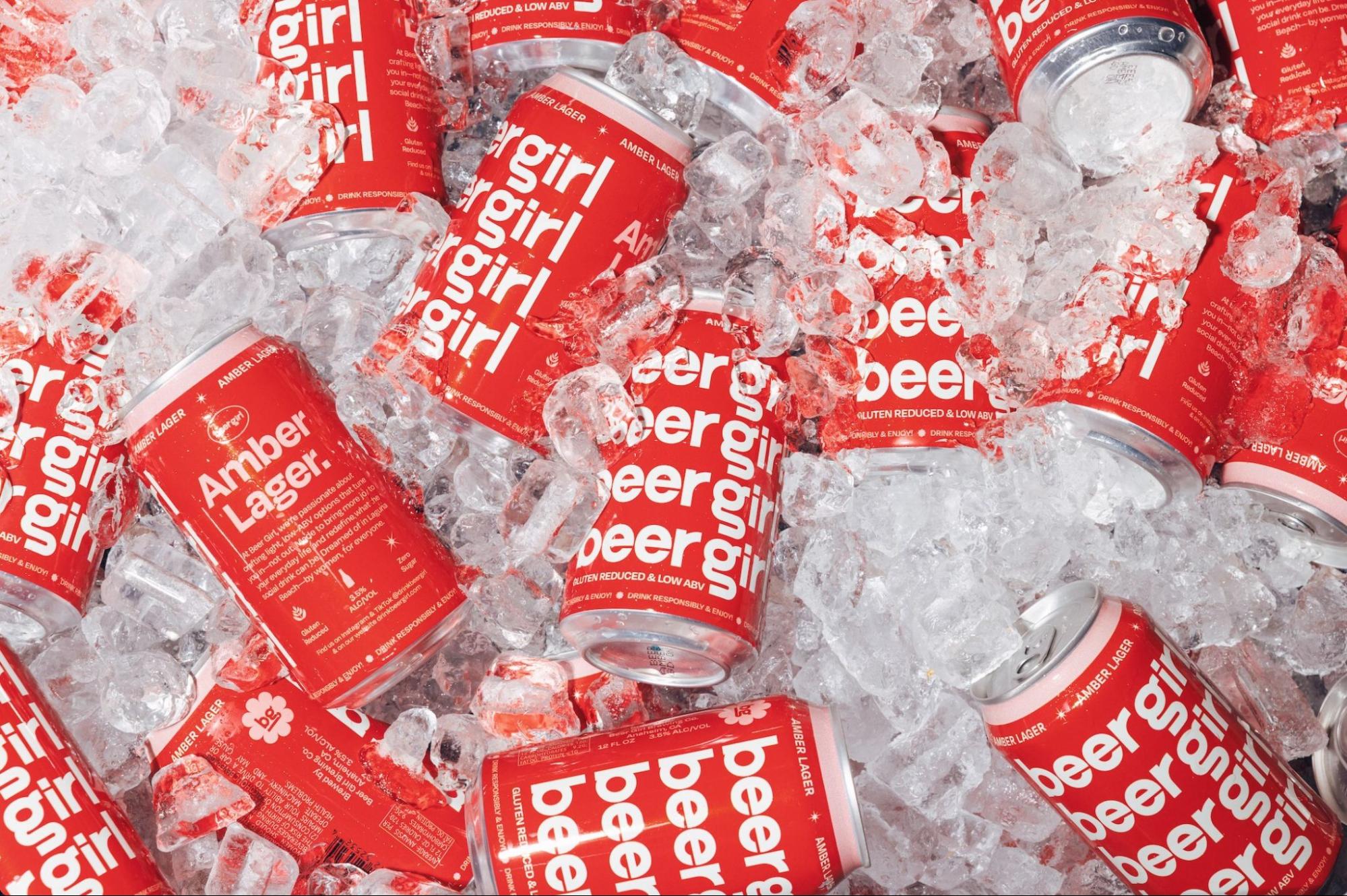
Hurray’s GIRL BEER, a Los Angeles–based flavored light beer brand, has raised $5 million in seed funding as it expands into major retailers including Walmart, Kroger, and Albertsons. The investment follows a first year in which the company launched in California and quickly extended distribution across parts of the Southwest and Texas through partnerships with established beer distributors.
The company’s growth strategy reflects a broader shift within the beer industry, where traditional lager brands are facing changing consumer habits and increased competition from hard seltzers, ready-to-drink cocktails, and flavored beverages. Hurray’s GIRL BEER positions itself within that landscape by emphasizing lighter, fruit-forward beers designed to appeal to younger consumers who may not identify with conventional beer culture.
Retail placement has been a central part of the brand’s early expansion. Within its first year, Hurray’s GIRL BEER secured shelf space not only at mass retailers such as Walmart but also at grocery chains including Whole Foods, a sign that large retailers remain open to experimenting with newer beverage brands that promise to attract different demographics to the beer aisle.
The company plans to introduce seven additional flavors—including mango, peach, and grapefruit guava—as it builds distribution in new markets across the Midwest and Southeast. Each product maintains a relatively low-calorie profile and modest alcohol content, characteristics that align with broader consumer preferences toward lighter, more sessionable drinks.
While the long-term success of new beer entrants remains uncertain, the brand’s funding round suggests investors still see opportunity in a category often described as mature. For emerging companies like Hurray’s GIRL BEER, the question is less about replacing traditional beer brands than about redefining who the category speaks to—and whether new flavors, marketing approaches, and retail strategies can broaden its audience.