With parking shortages straining drivers and supply chains, 4RoadService.com introduces a real-time search feature aimed at helping truckers find safe, legal spaces across the U.S. and Canada.
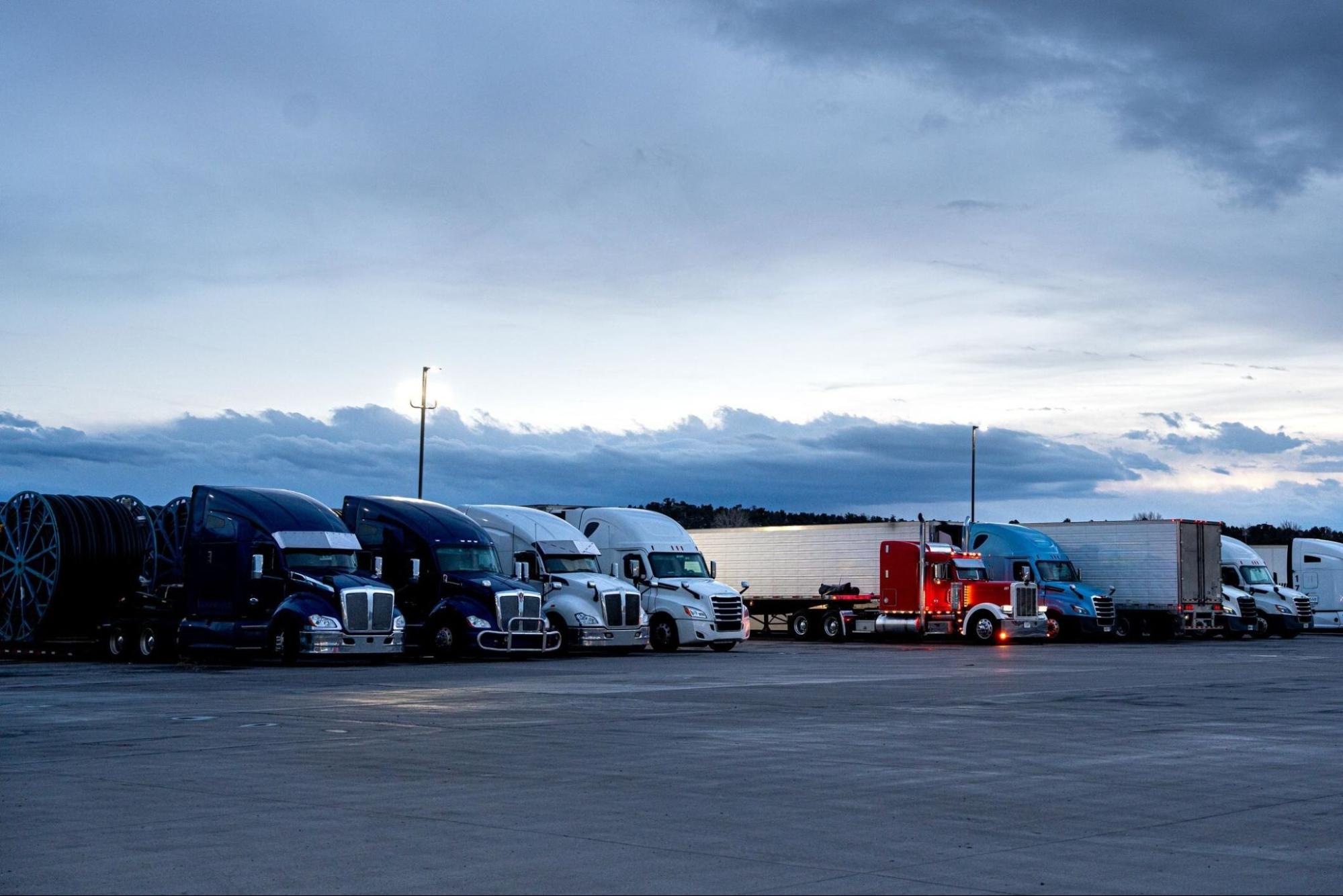
4RoadService.com has introduced a new “Truck Parking” search feature to its online directory and mobile app, responding to a problem that has long frustrated drivers and fleet operators. The North American platform, which already lists nearly 40,000 service providers, is expanding beyond repairs and roadside assistance to address one of trucking’s most persistent operational challenges: finding a safe place to park.
Truck parking shortages have been widely documented across the United States and Canada, particularly during evening hours when drivers reach federally mandated limits on driving time. With rest areas and truck stops often full, drivers can spend valuable hours searching for open spaces, sometimes resorting to highway shoulders or other unsafe locations. The consequences extend beyond inconvenience, affecting compliance with Hours of Service rules, personal safety and overall supply chain efficiency.
The new feature allows users to search for truck parking near their current location in real time, integrated alongside existing listings for services such as towing, tire repair and fuel. By consolidating parking information within a platform already familiar to many drivers, 4RoadService.com is positioning the tool as part of routine trip planning rather than a last-minute scramble. The feature is available through both the company’s website and its mobile app on iOS and Android devices.
While a digital directory cannot create new parking capacity, it may reduce the friction associated with locating available spaces. In an industry where time is tightly regulated and margins are thin, even incremental efficiency gains can matter. The move reflects a broader trend toward technology-driven solutions for structural challenges in transportation, from route optimization to electronic logging.
Ultimately, the truck parking shortage is rooted in infrastructure and land-use constraints that extend beyond any single platform. Still, tools that help drivers navigate existing resources more effectively may offer practical relief, even as policymakers and industry leaders continue to debate longer-term solutions.