
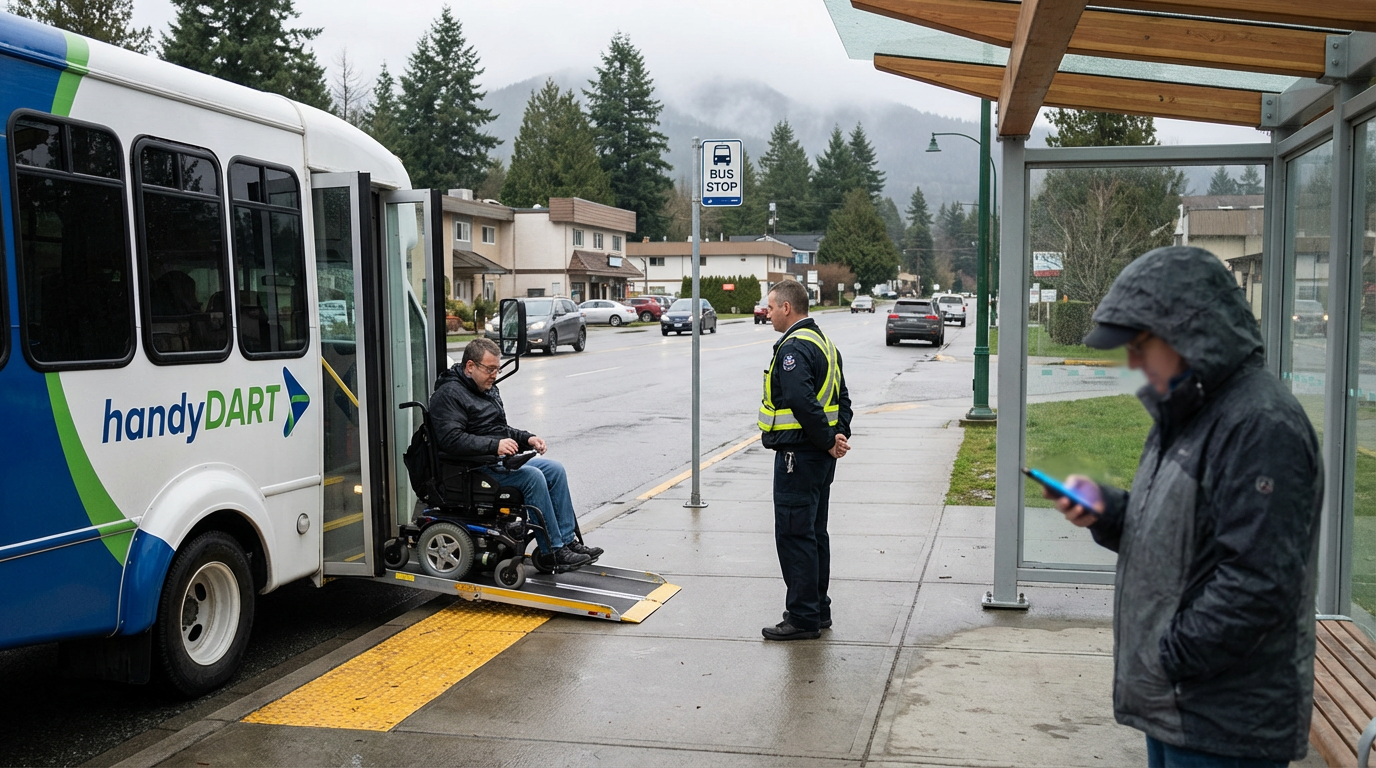
BC Transit’s partnership with Vancouver-based Spare signals a shift toward province-wide standardization of handyDART services, using shared digital tools to reduce barriers for riders while improving planning across urban and rural systems.
BC Transit has taken a significant step toward modernizing handyDART by partnering with Spare to create a unified digital platform for accessible transportation across 29 British Columbia communities. The move reflects a growing recognition that paratransit, often fragmented and phone-based, needs the same level of digital care now expected in conventional public transit. For riders who rely on handyDART, consistency and predictability are not conveniences but necessities.
Historically, handyDART services have been administered locally, resulting in uneven experiences across regions. Booking processes, wait times, and access to real-time information could vary widely from one community to another, particularly between urban centers and smaller towns. By standardizing technology across 28 transit systems, BC Transit is addressing a long-standing structural issue rather than simply upgrading software.
The most immediate change for riders is the shift away from call-based reservations toward web and mobile booking with real-time trip tracking. This reduces dependence on limited phone lines and aligns accessible transit with the digital norms of modern mobility. More importantly, it gives riders greater independence, allowing them to plan trips with the same clarity and confidence afforded to other transit users.
For BC Transit, the benefits extend beyond rider experience into system-wide oversight. A single platform makes it possible to compare service levels across regions, identify gaps, and better forecast demand in a province defined by geographic diversity. Access to consistent data also strengthens the agency’s ability to justify funding needs and make long-term decisions grounded in evidence rather than anecdote.
Spare’s role highlights a broader trend in public transportation toward integrated, province-scale solutions that still preserve local governance. By aligning operations without erasing community control, the partnership offers a pragmatic model for other jurisdictions facing similar challenges. If successful, this initiative could demonstrate how thoughtful digital infrastructure can make accessibility more equitable, not by adding complexity, but by removing long-standing friction from the systems people depend on most.