
The new integration links Deako’s modular smart switches with Josh.ai’s privacy-first voice and app controls, signaling how builders are trying to make connected homes easier to upgrade over time.
Deako and Josh.ai have announced a new partnership designed to make premium smart lighting control more accessible in mainstream residential construction. The integration connects Deako’s modular lighting infrastructure—built around interchangeable smart switches and standardized backplates—with Josh.ai’s AI-powered home control platform, allowing builders and homeowners to add automation without committing to expensive, custom-installed systems from the start.
The collaboration is aimed squarely at a growing reality in homebuilding: many buyers want the convenience of a smart home, but few want the complexity of one. Deako’s model centers on “future-ready” wiring and switch infrastructure that can be installed during construction and upgraded later. By pairing that approach with Josh.ai, which specializes in natural voice control and centralized home automation, the companies are positioning lighting as an entry point into a broader connected-home ecosystem.
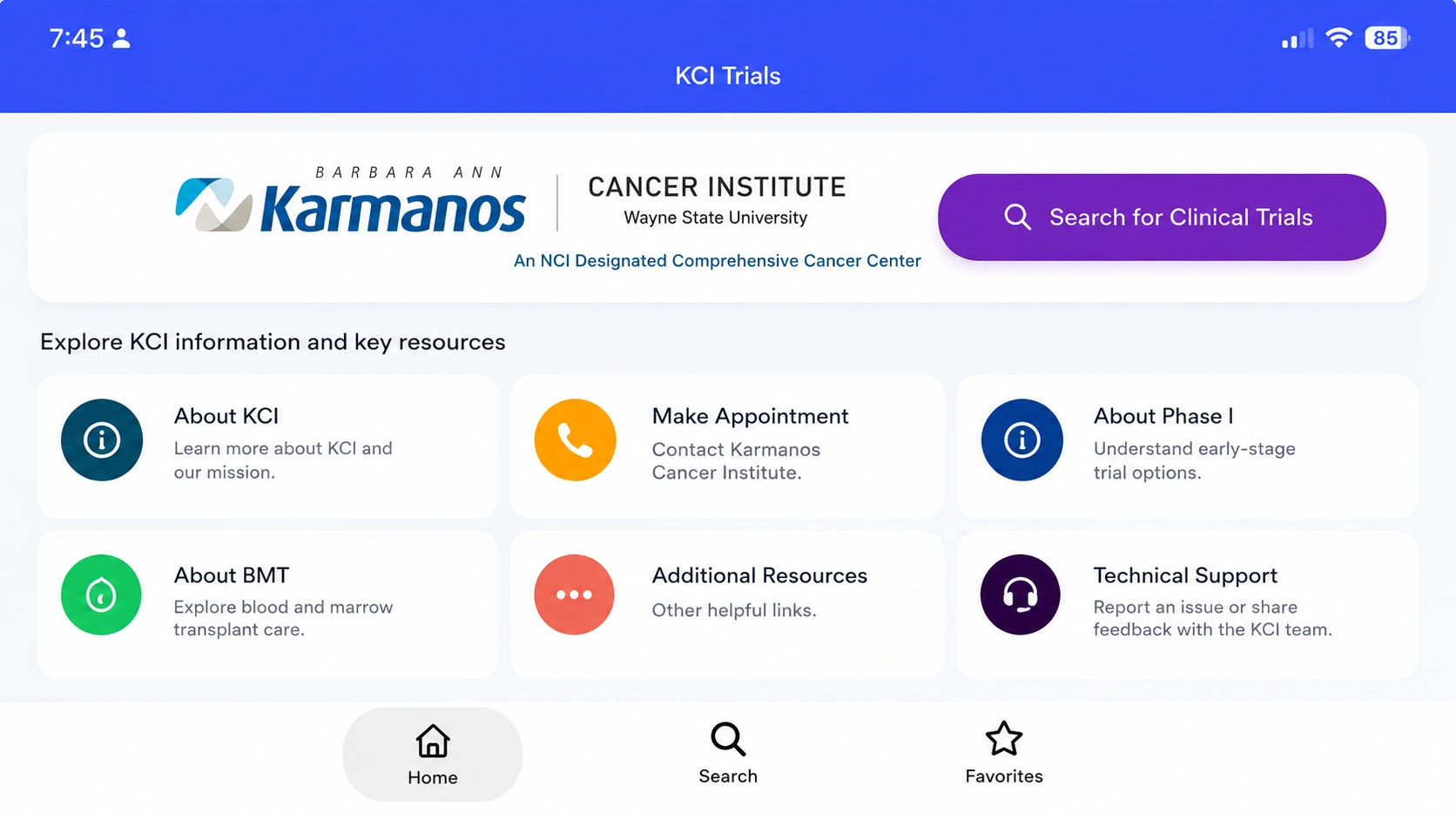
In practical terms, the integration works by connecting Deako Smart Switches and Dimmers to a home’s local network, where the Josh.ai processor can automatically detect lighting loads and generate a floorplan that can then be customized. Homeowners can control lighting through voice, touch interfaces, text, or the Josh App, while Josh.ai’s two-way feedback ensures the system reflects the current state of each switch rather than relying on assumptions. For users, this reduces one of the common frustrations of smart home tech: devices that fall out of sync with reality.
One of the most notable elements of the announcement is its emphasis on local, in-home communication rather than cloud-based dependence. Josh.ai and Deako say their systems interact locally, which can mean faster response times, continued functionality during internet outages, and fewer privacy concerns than many mass-market voice assistants. While “privacy-first” is increasingly common language in tech marketing, the local-control design does point to a broader trend: consumers and builders are beginning to treat smart home reliability and data handling as core features, not optional extras.
For builders, the appeal is differentiation without risk. Instead of hardwiring a proprietary automation system that may age quickly, they can deliver homes that are “AI-ready” and leave upgrade decisions to the homeowner. For custom integrators, the partnership is positioned as a way to bring premium control systems into more mid-market projects without rewiring or major renovation.
Ultimately, the announcement reflects a subtle evolution in the smart home category. The future may not be about homes filled with gadgets, but about infrastructure that disappears into the background—ready to support more intelligent control when residents actually want it.