A sweeping update to JBL’s Quantum headsets reflects how competitive gaming, streaming, and everyday play are converging, pushing audio brands to treat precision, comfort, and longevity as core expectations.
JBL’s latest Quantum series launch underscores how gaming audio has moved from a niche accessory to a defining part of the player experience. By introducing three new headsets at different price points, JBL is acknowledging that competitive sound design is no longer reserved for elite esports players but expected across the gaming spectrum.
At the center of the announcement is a shift toward more specialized acoustic engineering, particularly with the use of new high-frequency carbon dynamic drivers. These components are designed to surface subtle in-game cues—like movement or positional changes—that can shape outcomes in competitive play, reflecting how audio precision has become as strategic as visuals or frame rates.
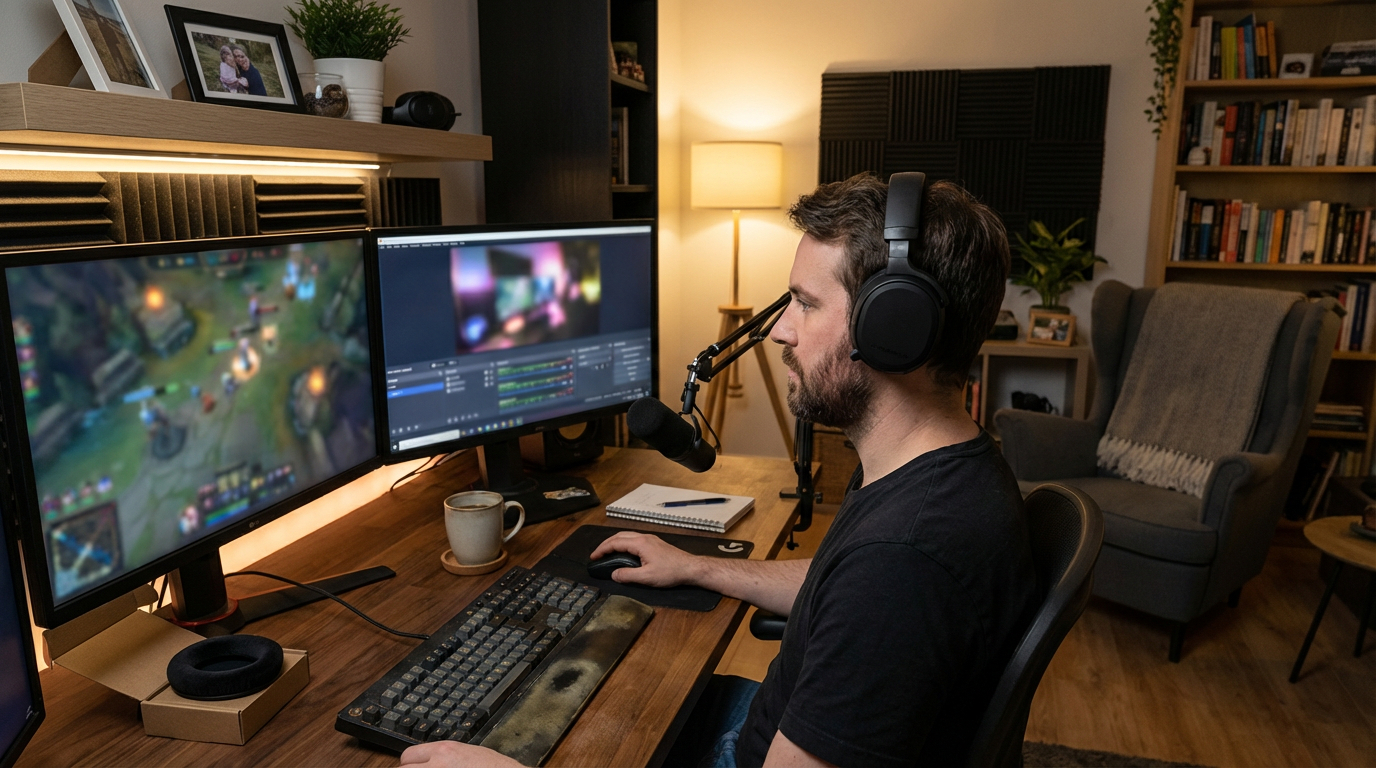
The flagship Quantum 950X illustrates how far gaming headsets have evolved beyond simple sound delivery. Features such as spatial audio, head tracking, active noise cancellation, and a dual-battery system point to longer, more immersive sessions that blur the line between gaming, streaming, and everyday use. Just as notably, the headset’s modular, replaceable parts suggest a response to growing consumer expectations around durability and sustainability in high-end electronics.
JBL’s midrange and entry models reinforce a broader industry pattern: advanced audio capabilities are increasingly trickling down into more accessible products. By offering similar driver technology and spatial sound across wired and wireless options, the company is betting that flexibility and cross-platform compatibility matter as much as peak performance for most players.
Taken together, the new Quantum lineup reflects a maturing gaming ecosystem where hardware must serve multiple roles without compromise. As gaming becomes more social, competitive, and time-intensive, audio brands like JBL are repositioning headsets as long-term tools rather than disposable accessories. The result is less about spectacle and more about how thoughtfully engineered sound can shape how people play, communicate, and stay engaged over time.