The appointment of Josh Hollin reflects how global electronics manufacturers are elevating AI, robotics, and lifecycle engineering as competitive necessities, not experimental side projects.
Benchmark Electronics’ decision to appoint Josh Hollin as senior vice president and chief technology officer points to a broader recalibration underway in the manufacturing services sector. For a company that operates across aerospace, medical, industrial, and computing markets, technology leadership increasingly shapes not just products, but long-term relevance. The transition comes as customers demand faster innovation cycles and more resilient, automated production models.
Hollin’s background helps explain the timing and intent behind the move. His experience spans consumer electronics, robotics, and large-scale manufacturing organizations, where software, automation, and hardware development are tightly linked. For Benchmark, which serves clients across the entire product lifecycle, this blend of engineering depth and operational focus aligns with the growing need to compress development timelines while managing complexity.
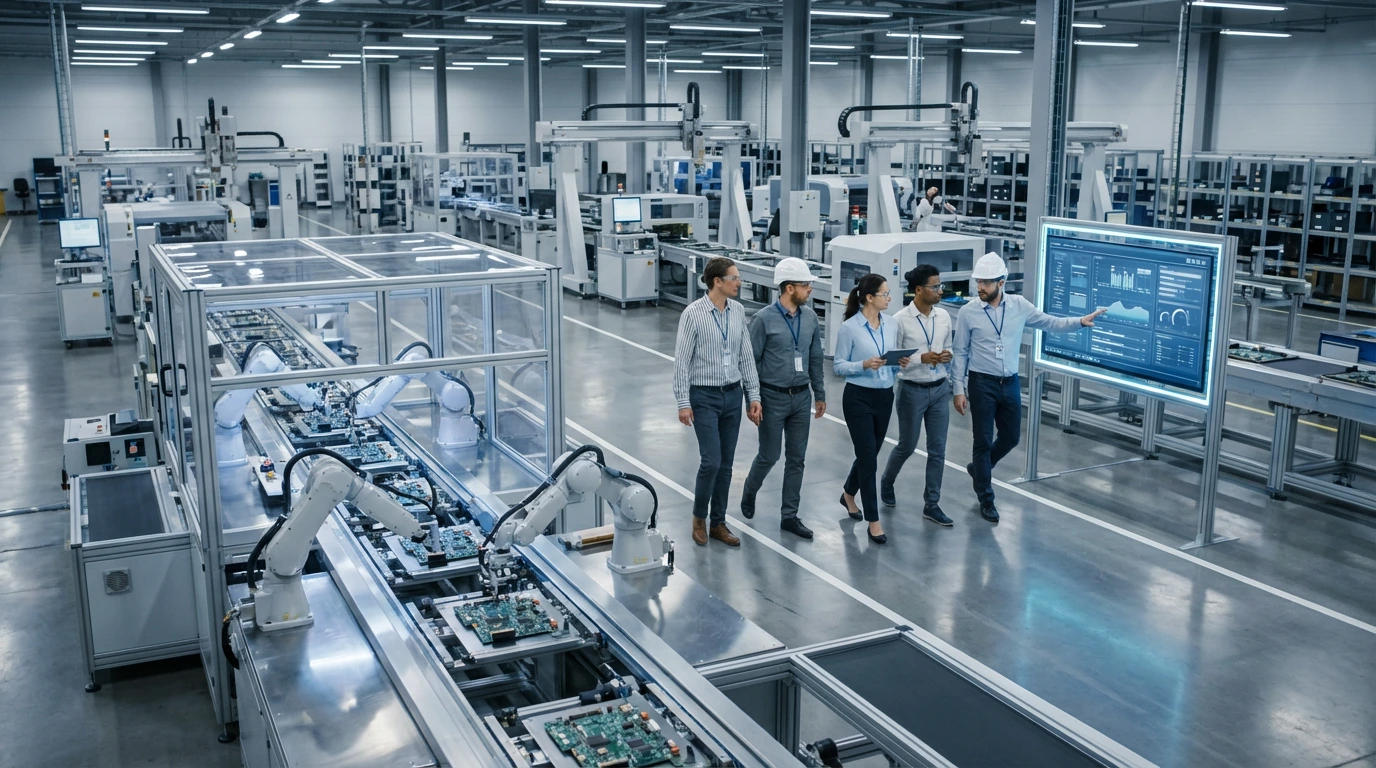
The appointment also highlights how artificial intelligence and automation are moving from specialized tools to foundational capabilities. Manufacturers are under pressure to integrate predictive analytics, robotics, and advanced process controls directly into design and production, rather than layering them on later. By elevating a CTO with direct exposure to these systems, Benchmark signals that innovation now sits at the core of execution, not at the margins.
Leadership continuity appears to be another quiet theme in the transition. Hollin succeeds Jan Janick, whose retirement marks the end of a long tenure shaping the company’s engineering culture. Rather than signaling disruption, the change suggests an effort to build on an established foundation while redirecting technical priorities toward emerging demands such as AI-enabled manufacturing and automation at scale.
More broadly, the move reflects a shift in how global engineering service providers compete. Customers increasingly expect partners who can anticipate future manufacturing constraints, not simply respond to current specifications. In that sense, Benchmark’s leadership choice is less about one executive and more about acknowledging that engineering strategy, automation, and digital intelligence are now inseparable from the business of building complex products.