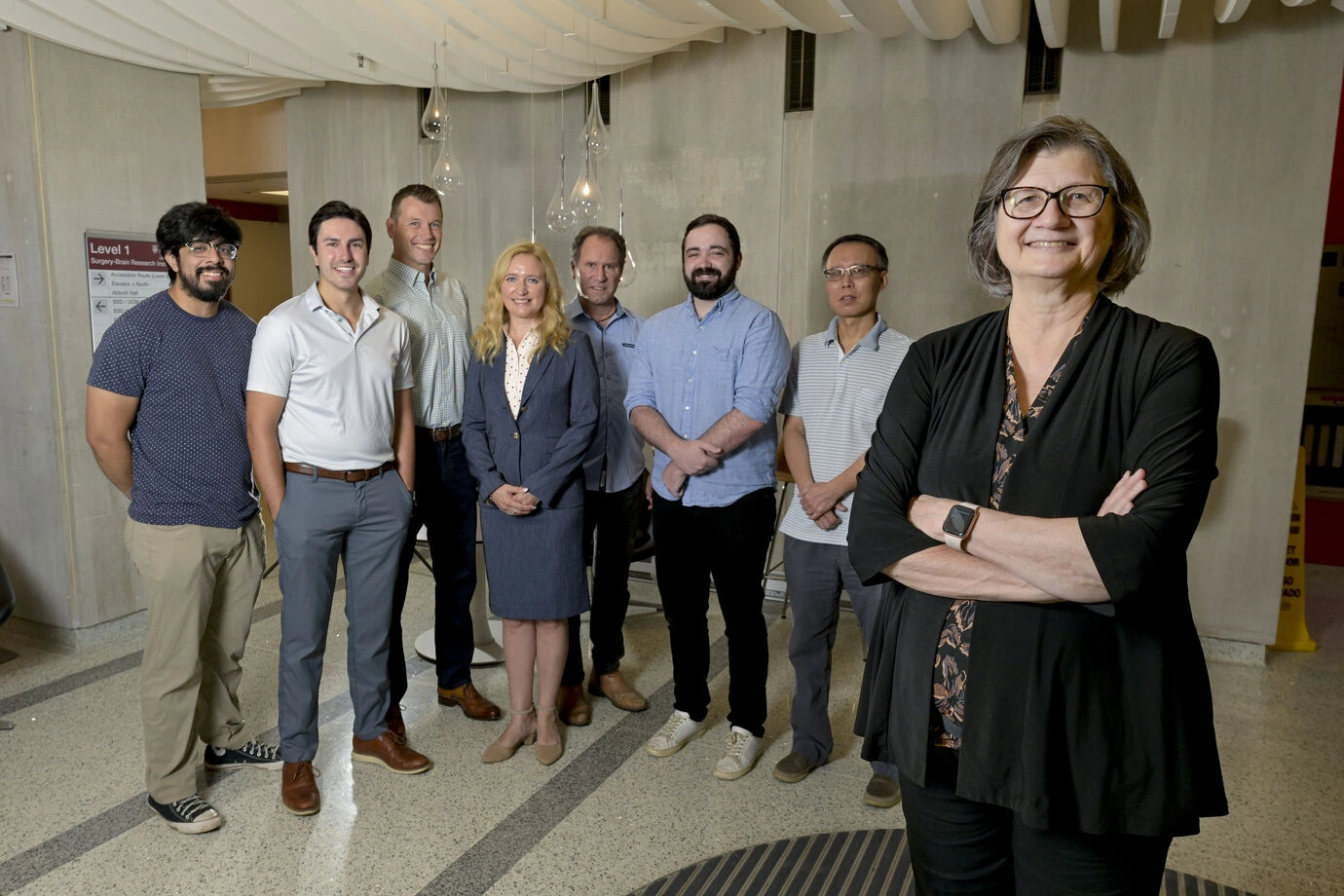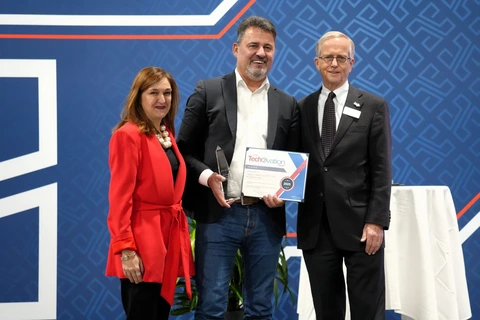
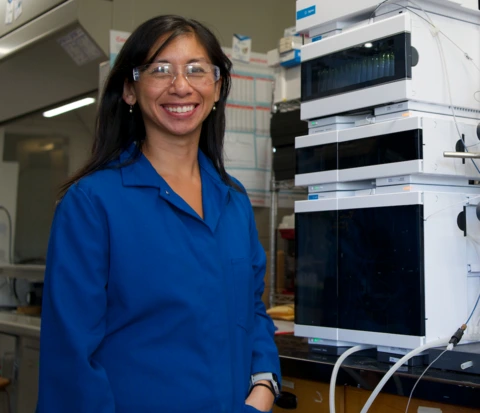
Agilent’s recognition of UC Davis chemist Marie Heffern underscores how the stability of peptide medicines—especially incretin-based therapies—relies on scientific questions that often unfold far from the clinical spotlight.
Agilent Technologies has awarded its 2025 Research Catalyst Award to the University of California on behalf of UC Davis chemist Marie Heffern, marking a notable moment for an emerging area of drug-development research. For Agilent, the recognition supports academic work that pushes analytical tools forward; for the broader field of metabolic therapeutics, it highlights a blind spot in understanding how peptide drugs behave in real biological environments. As incretin-based medications for diabetes and obesity become more widely used, attention is shifting to the molecular factors that influence their performance.
Heffern’s work focuses on how trace metals—such as copper, zinc, and iron—interact with peptide drugs, including GLP-1 receptor agonists. These medicines have surged into public awareness for their metabolic effects, yet the chemistry of how they encounter metal ions in the body or in formulations remains poorly characterized. Subtle changes in these interactions may help explain variability in patient responses or why certain formulations degrade faster than expected.
The project applies advanced analytical methods, including forms of liquid chromatography and mass spectrometry, to identify nontraditional binding events between peptides and metals. In a field where small structural differences can affect stability or bioavailability, these tools help reveal processes that conventional assays can miss. The aim is to build a predictive framework that pharmaceutical developers can use to design more robust drugs from the outset.
Agilent’s award, which provides funding and access to instrumentation, reflects a growing industry interest in translating fundamental chemistry into practical guidance for drug formulation. As peptide therapeutics proliferate, the formulation challenges they present—short shelf lives, sensitivity to storage conditions, complex degradation pathways—require more sophisticated analytical approaches. Supporting early-stage academic research is one way companies hope to accelerate solutions before problems surface in later development stages.
What makes this award noteworthy is not only the scientific focus but the context. The rapid rise of incretin-based drugs has outpaced some of the foundational work needed to optimize them. By investing in research that explores these less-visible variables, Agilent is helping draw attention to the underlying chemistry that ultimately shapes how these widely used therapies perform.