As household coordination grows more complex, Skylight’s updated digital calendar highlights a shift toward centralized tools designed to manage schedules, chores, and daily logistics in one place.
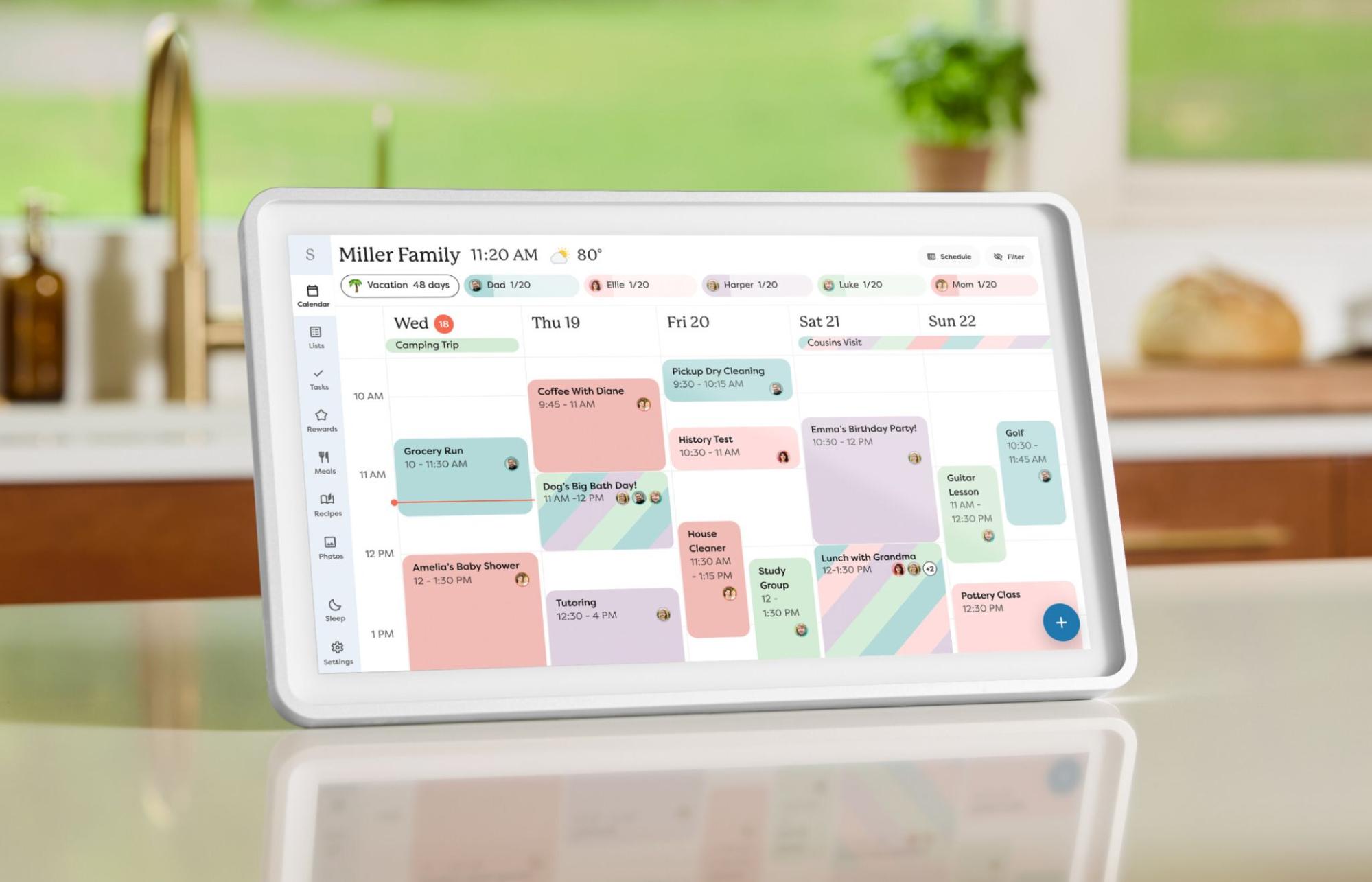
Skylight has introduced Calendar 2, an updated version of its digital family calendar, at a time when managing household schedules has become increasingly complex. The device, a 15-inch touchscreen designed for shared use, builds on the company’s earlier approach of consolidating family logistics into a single, visible hub within the home.
The release reflects a broader trend in consumer technology toward tools that address what is often described as the “mental load” of family life. According to data cited by Skylight, parents can spend more than 30 hours each week coordinating schedules, tasks, and responsibilities, much of it fragmented across apps, messages, and informal reminders.
Calendar 2 attempts to streamline that process by combining multiple functions—such as scheduling, chore tracking, and meal planning—into a centralized interface. Rather than relying on personal devices, the system is designed to be communal, offering a shared point of reference that all members of a household can access at a glance.
The hardware updates, including a slimmer design, brighter display, and faster processing, suggest that usability and visibility remain central priorities. At the same time, features like customizable frames indicate an effort to integrate the device more naturally into home environments, blurring the line between technology and household fixture.
Software integrations also point to a growing ecosystem around domestic management tools. Connections with voice assistants and grocery services, along with features like automated recipe suggestions and shared shopping lists, reflect an attempt to link everyday decision-making processes into a single workflow.
This kind of integration highlights how digital tools are increasingly shaping domestic routines. Tasks that were once informal or distributed—remembering appointments, coordinating meals, assigning chores—are being formalized through shared platforms that emphasize visibility and accountability.
The appeal of such systems lies not only in efficiency but in coordination. By making responsibilities and schedules more transparent, these tools aim to reduce friction within households, particularly as family members balance work, school, and extracurricular commitments.
Skylight’s latest release underscores how the home is becoming an important frontier for connected technology. As digital ecosystems expand beyond individual devices into shared spaces, the challenge will be designing tools that simplify daily life without adding new layers of complexity.