Regional lender WesBanco is expanding its commercial banking presence in South Florida, betting that relationship-focused lending and local leadership can capture growth in one of the country’s fastest-developing financial markets.
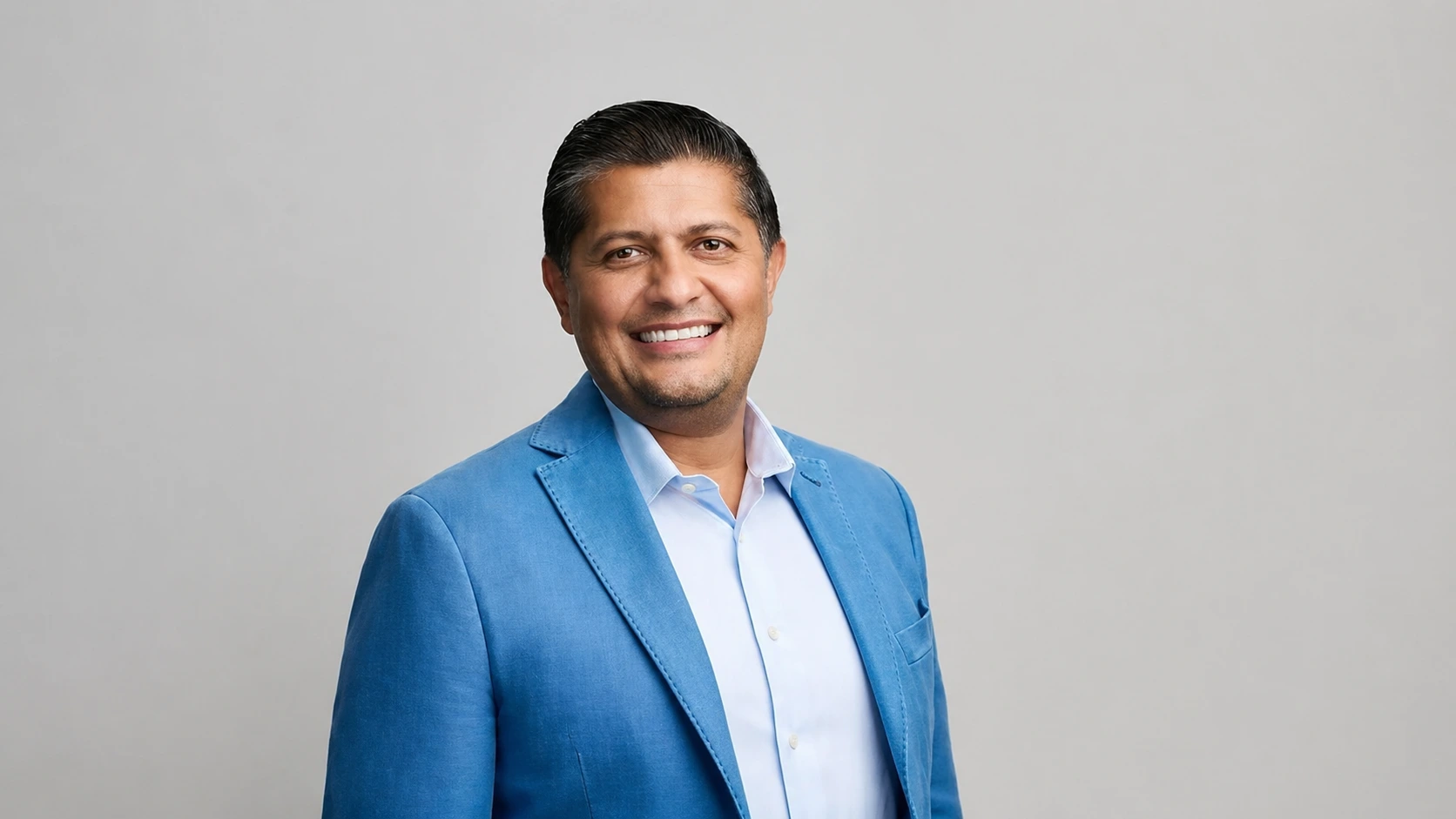
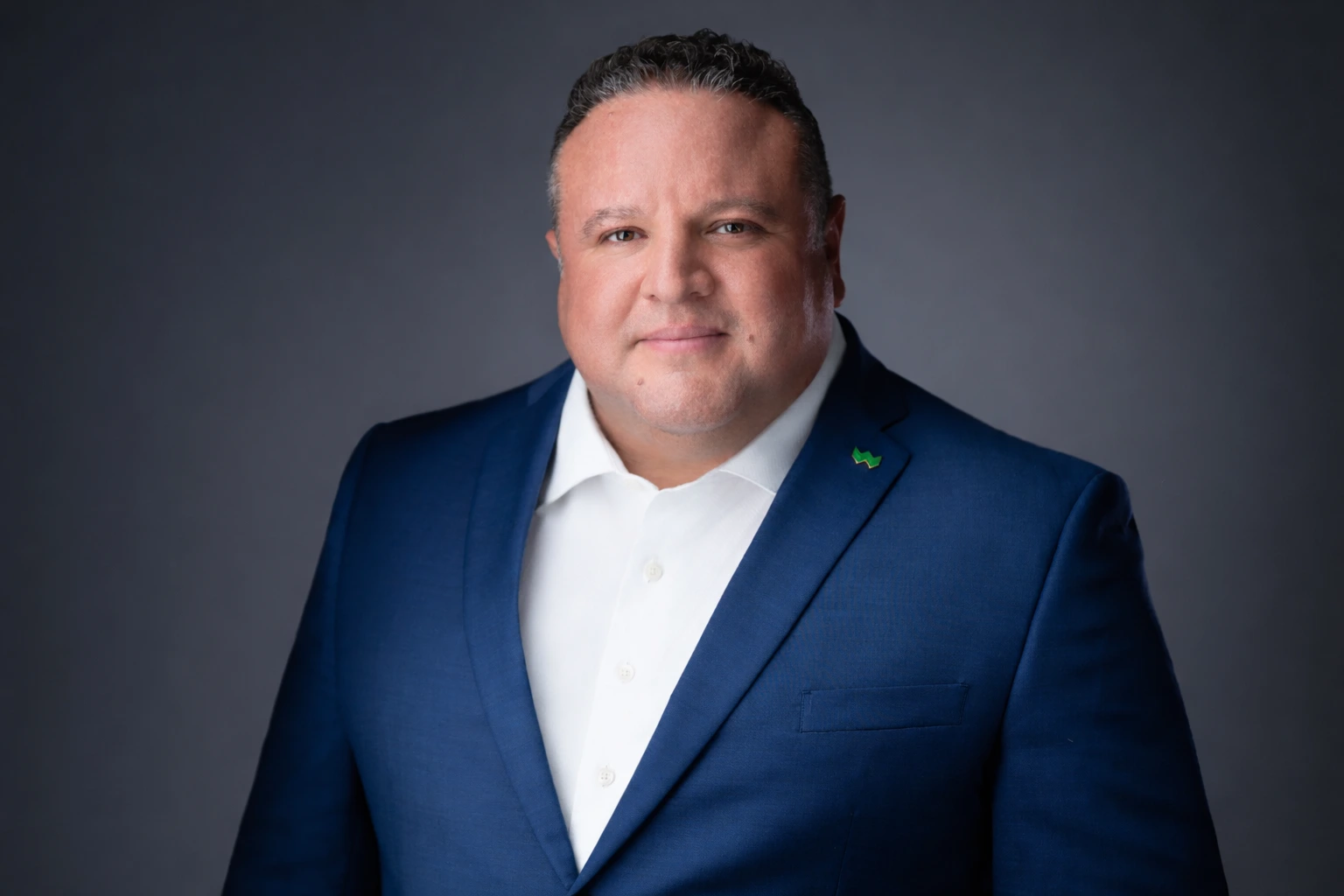
WesBanco has launched a new commercial banking expansion in South Florida, appointing veteran banker Eddy Rodriguez as Executive Vice President and Regional President to lead the effort. The Wheeling, West Virginia–based financial services company is entering Palm Beach and Broward counties with a team of experienced commercial bankers as part of a broader strategy to grow its presence in high-growth regional markets.
The move reflects a continuing shift among regional banks seeking opportunities outside their traditional geographic footprints. South Florida, in particular, has become an increasingly attractive destination for financial institutions as population growth, business relocations, and expanding real estate investment reshape the region’s economic landscape.
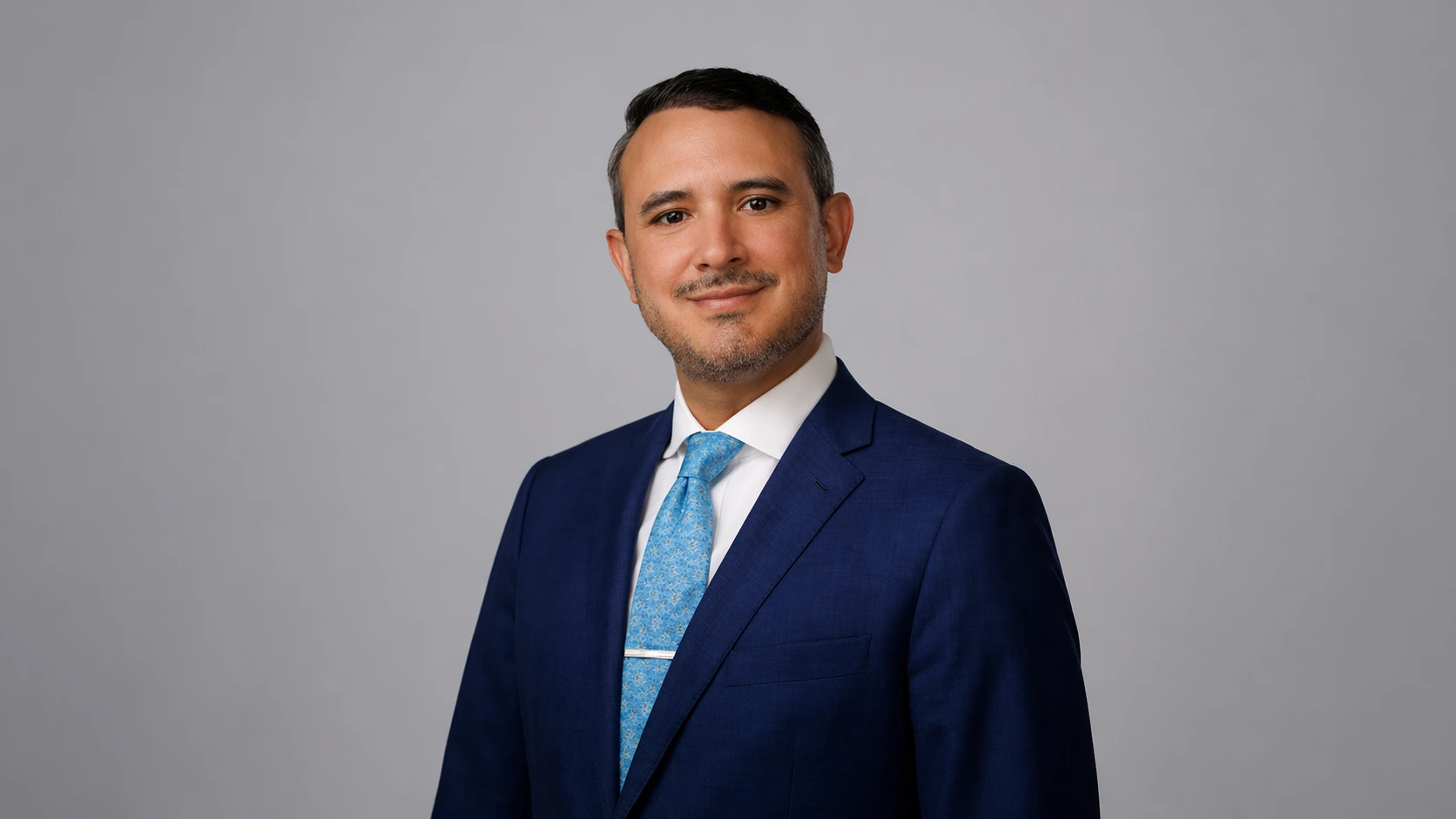
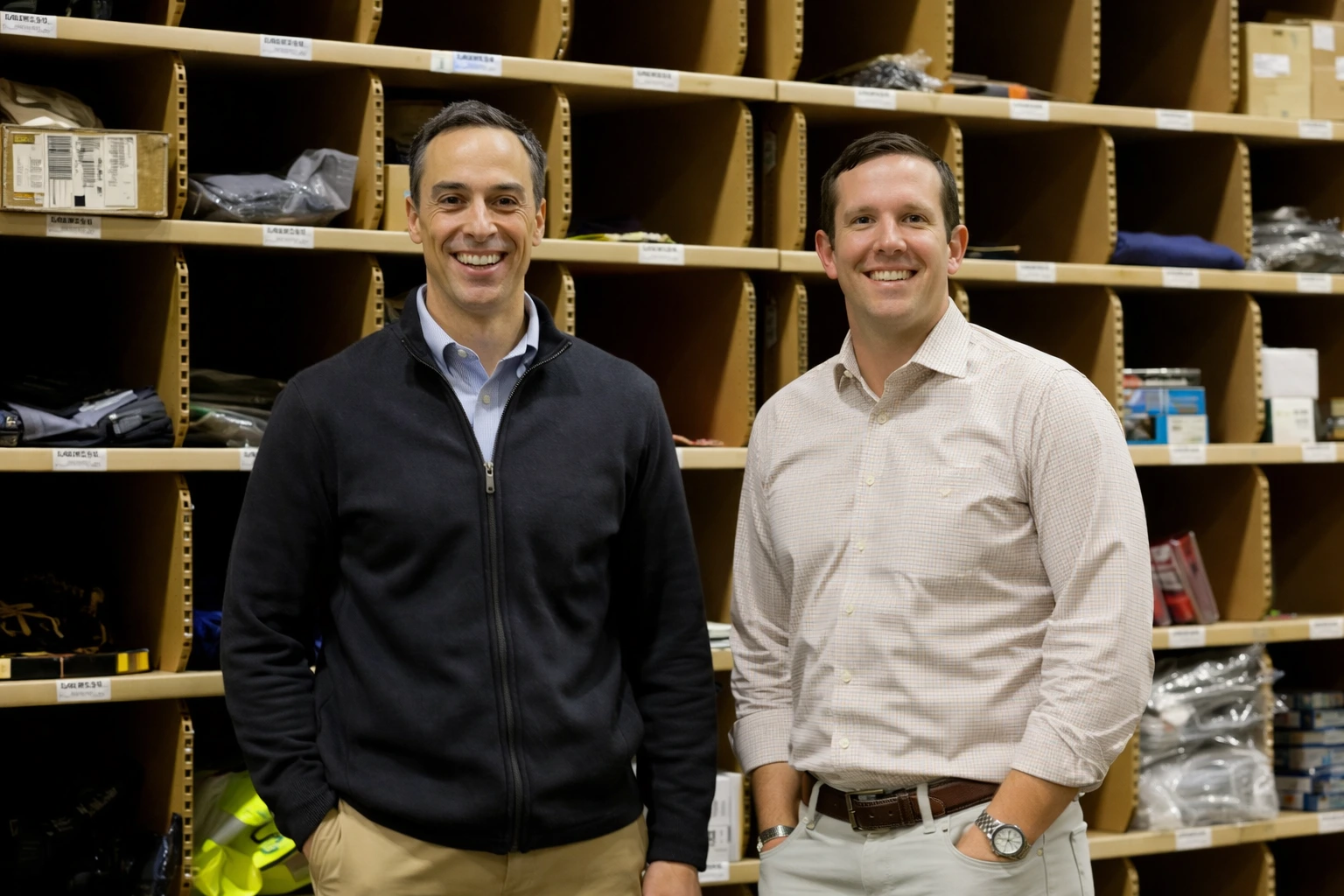
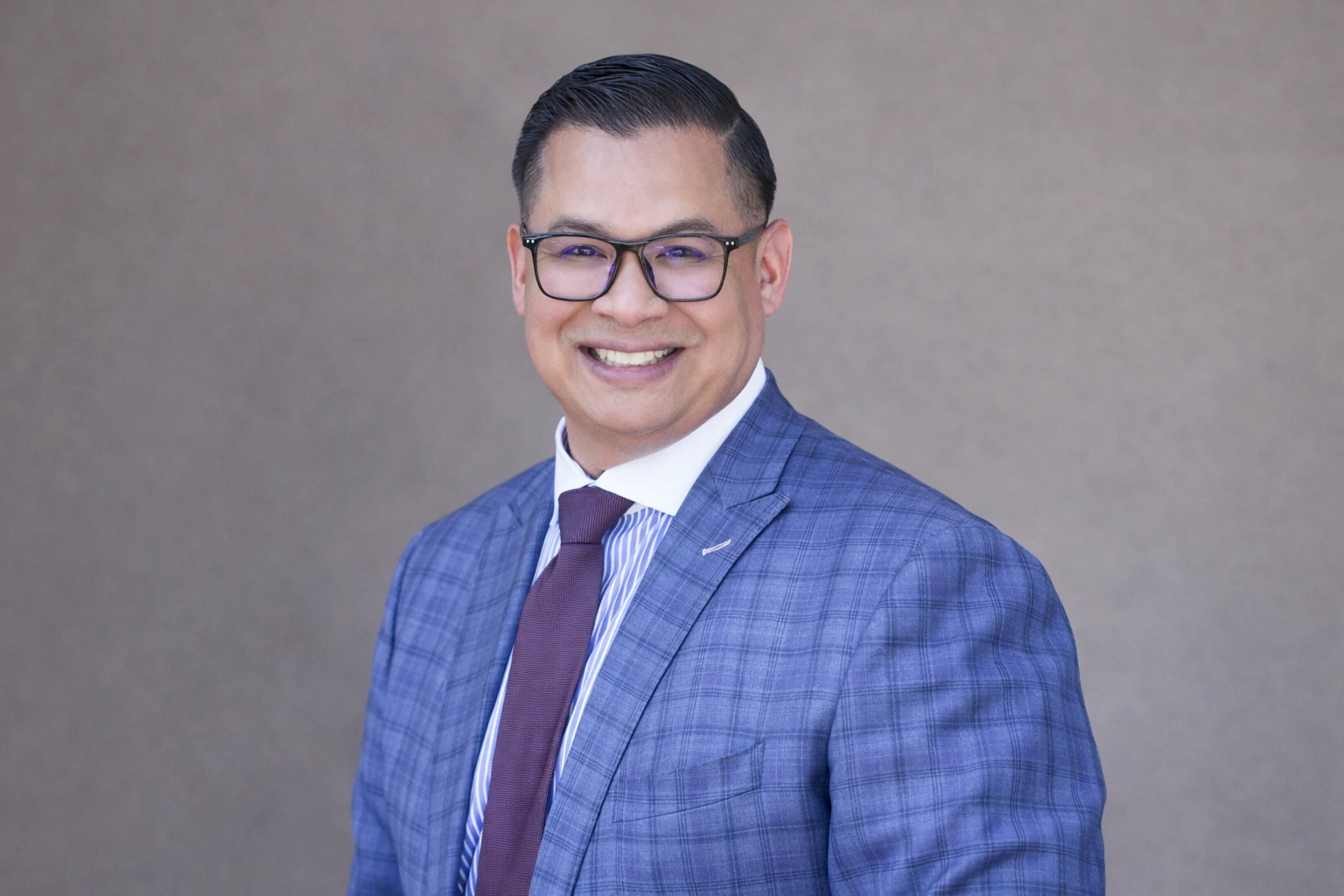
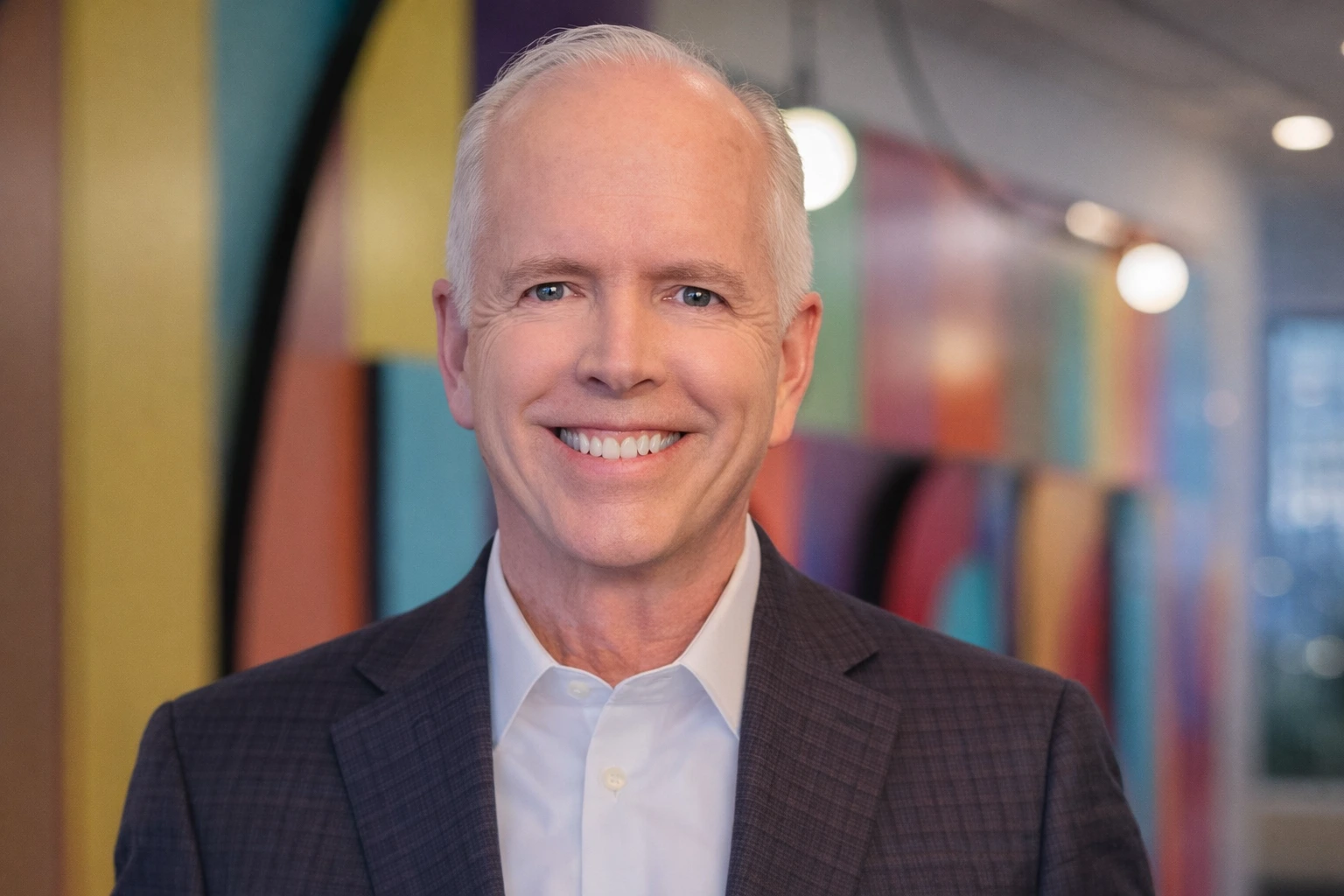
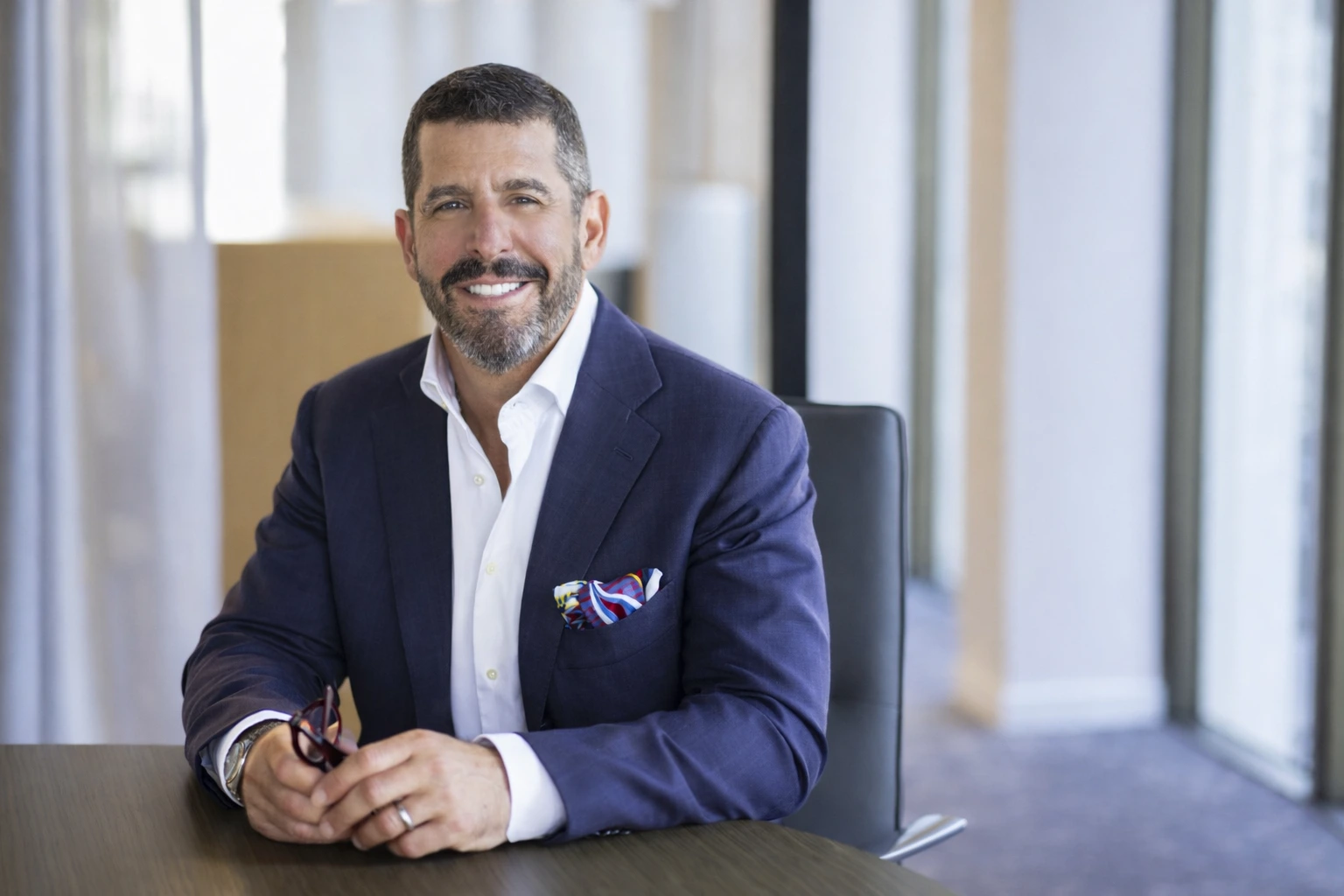
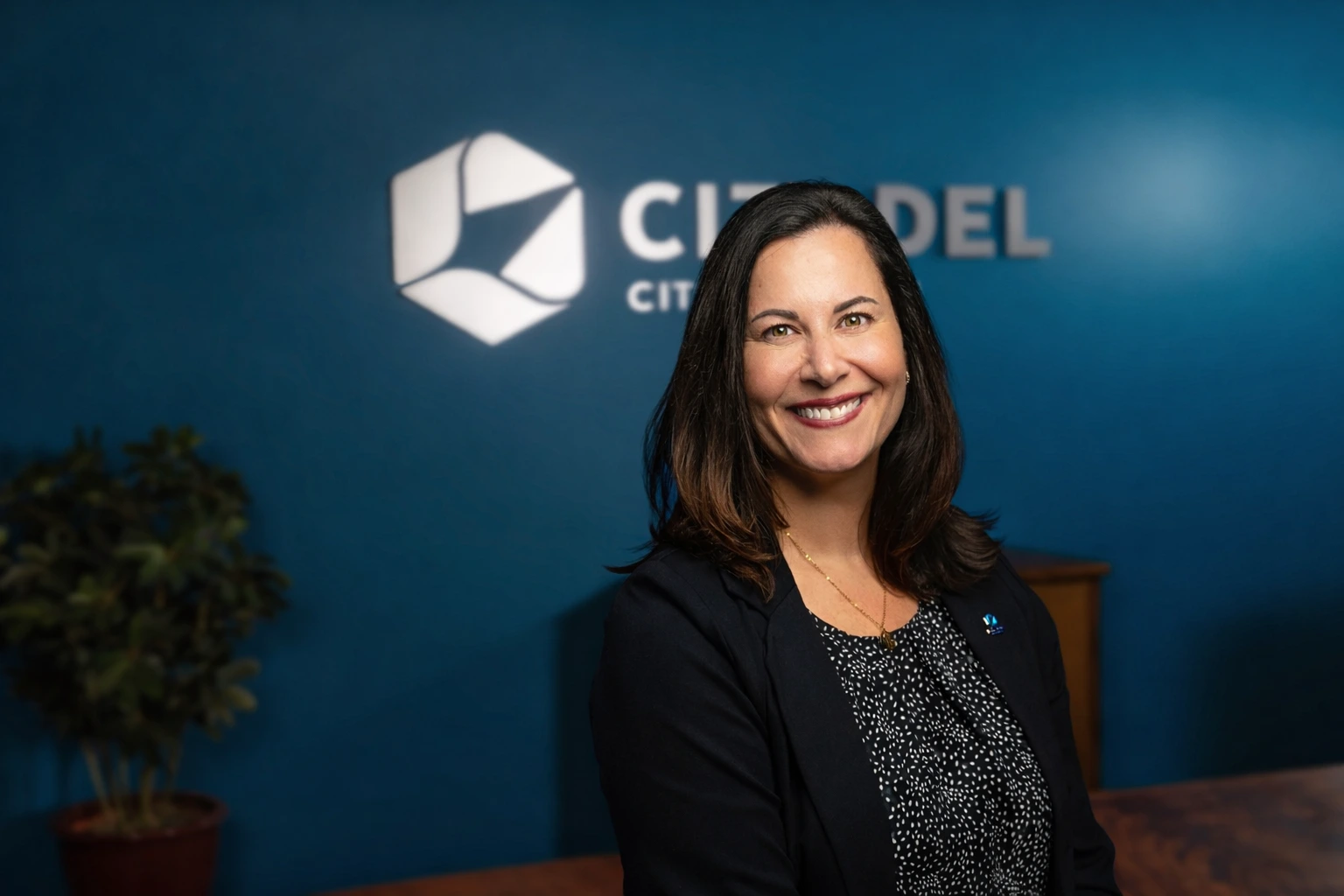
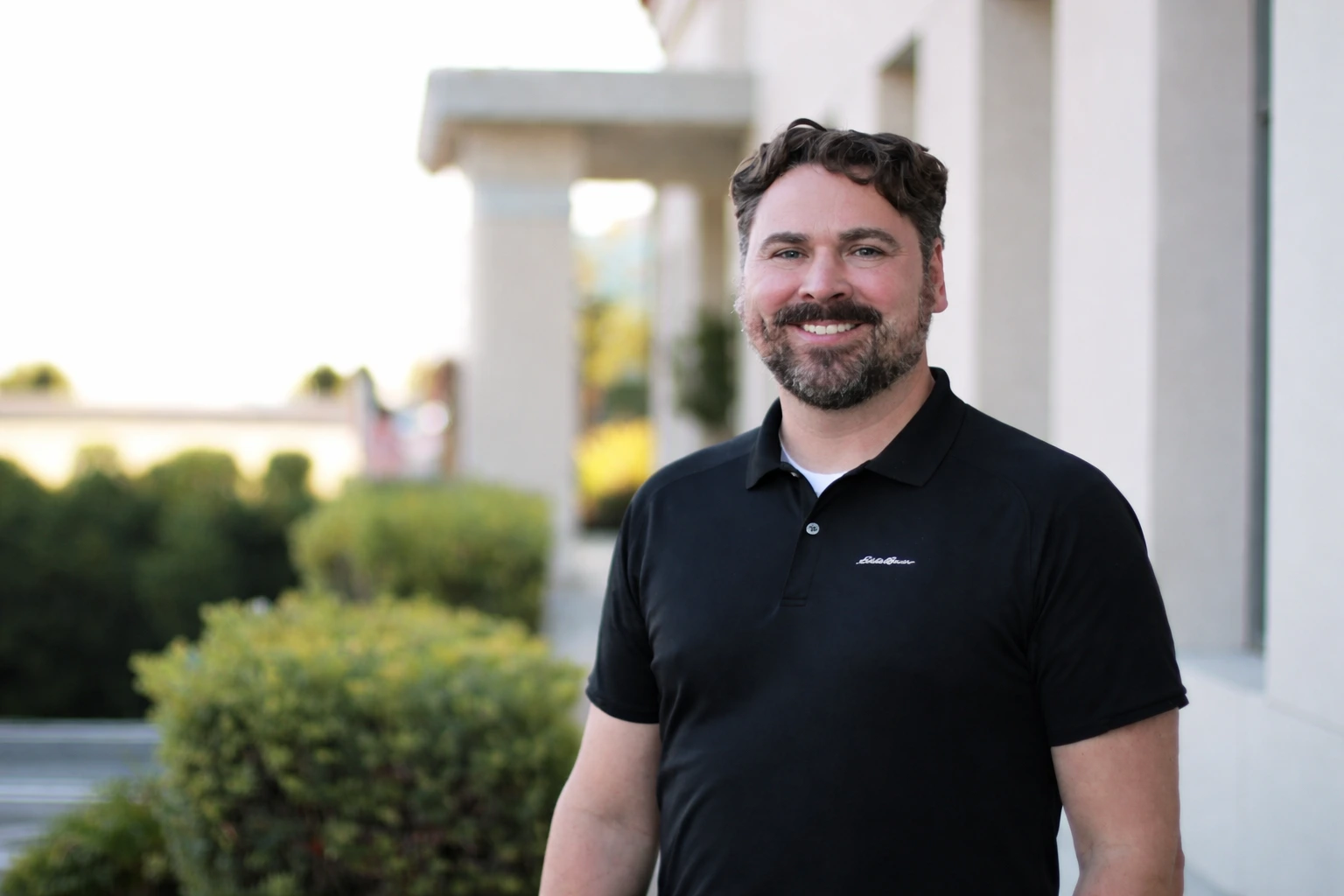
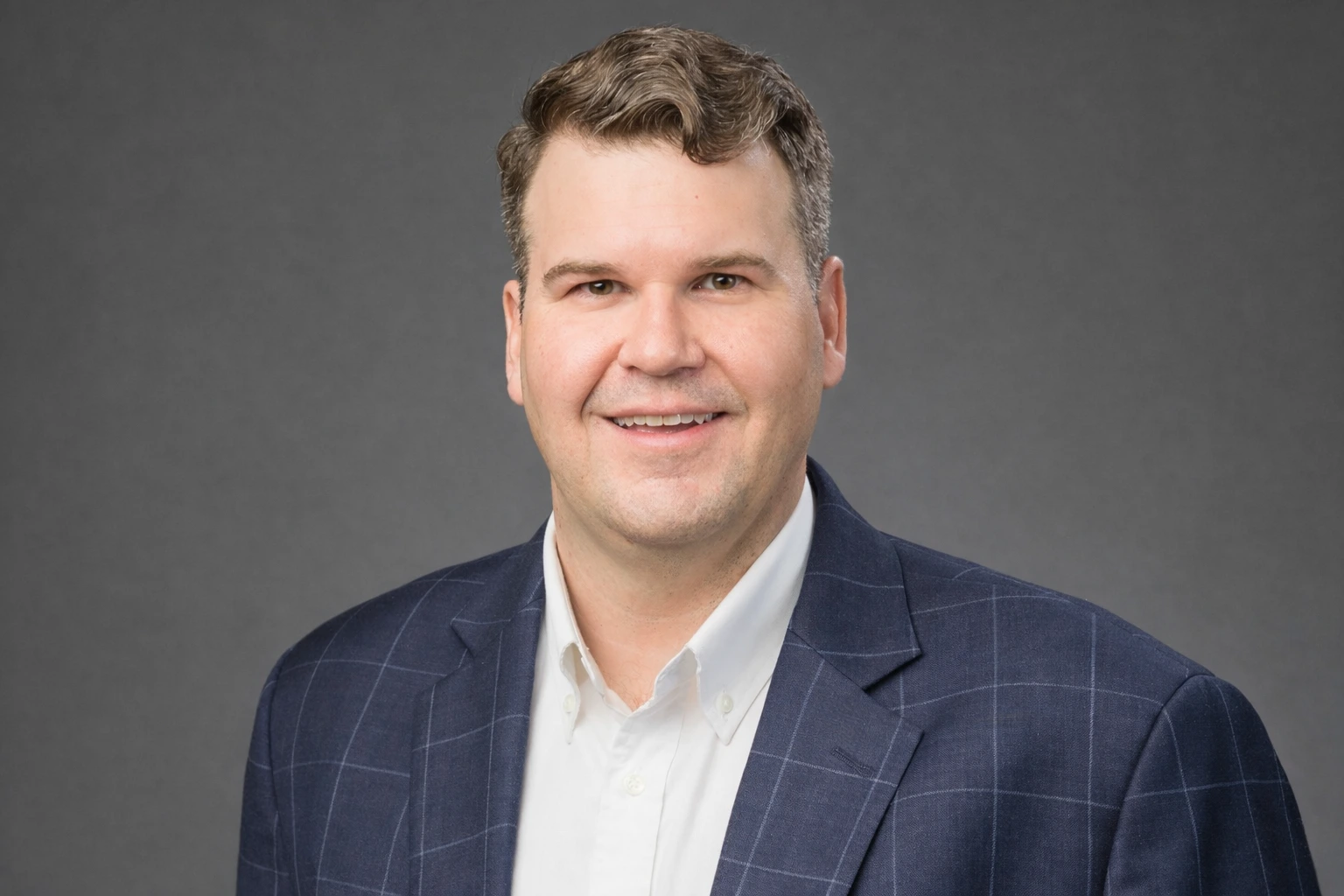
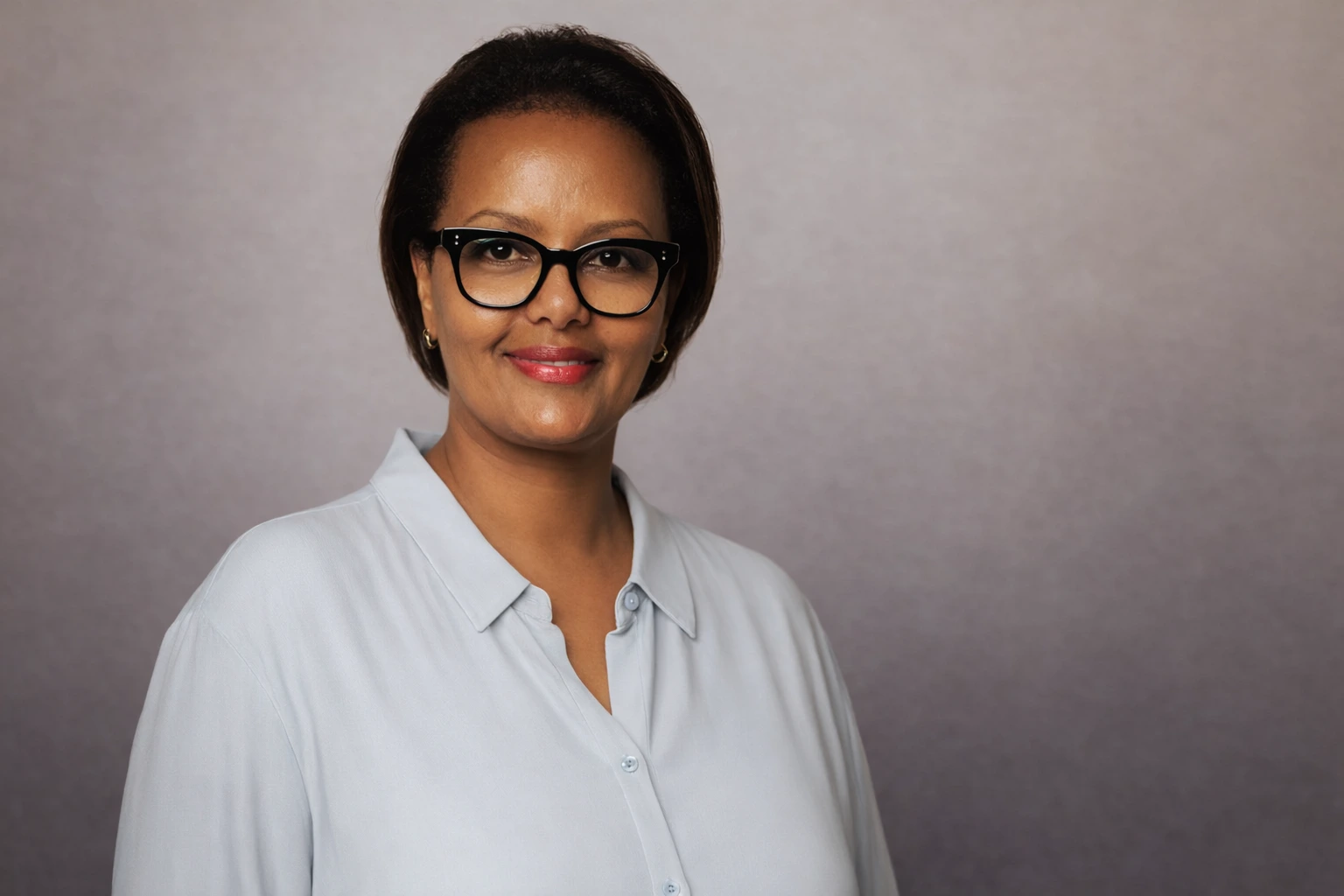
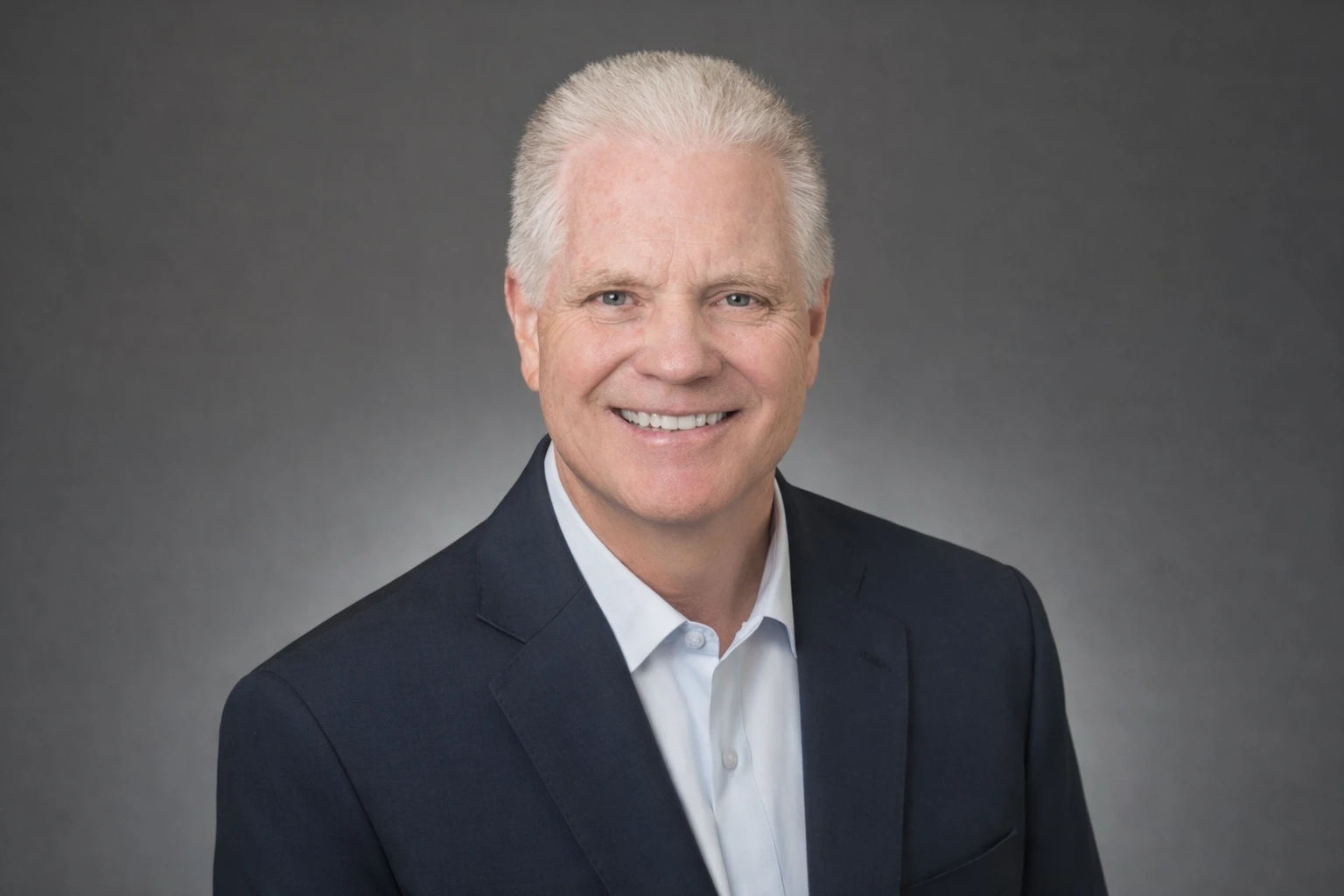
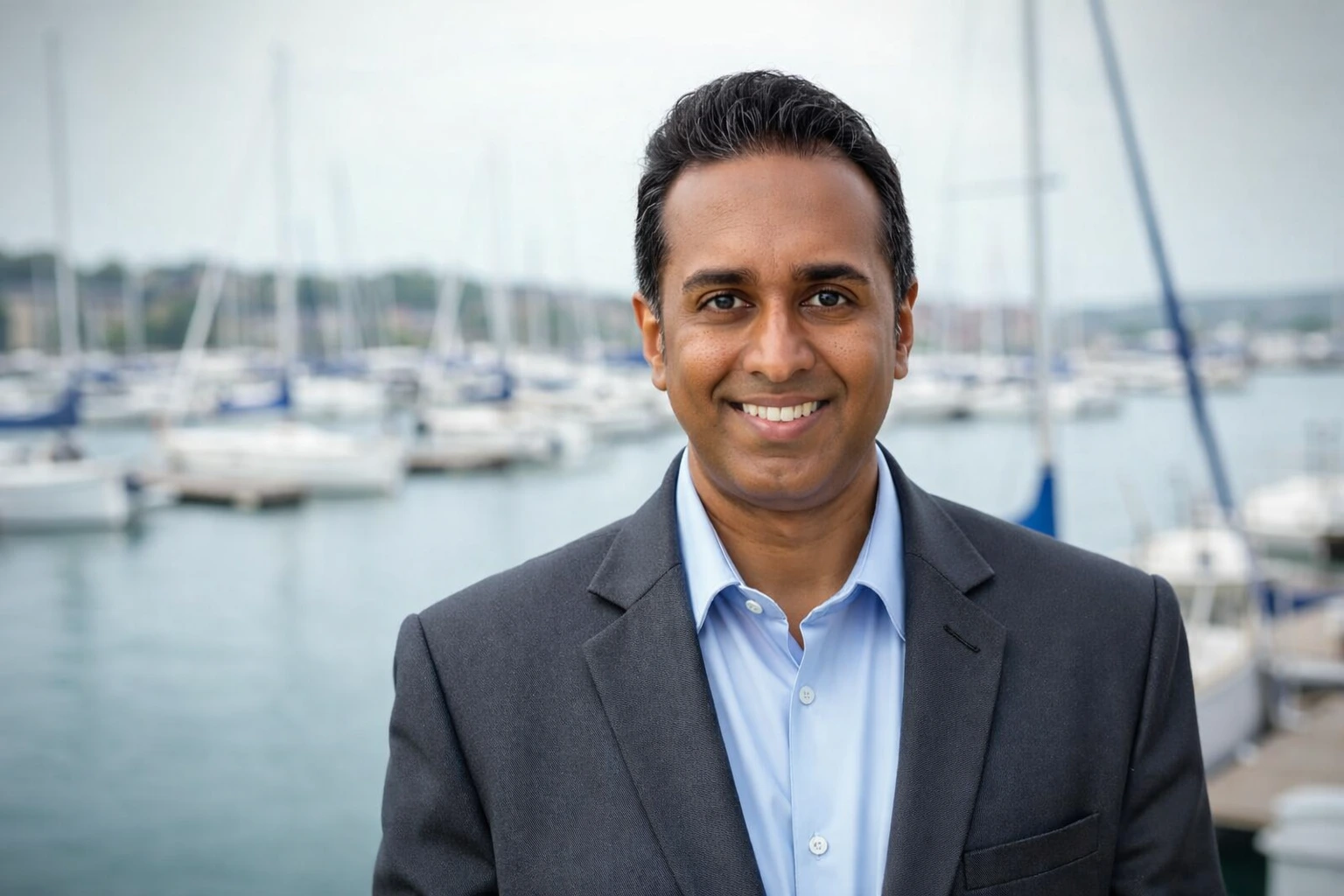
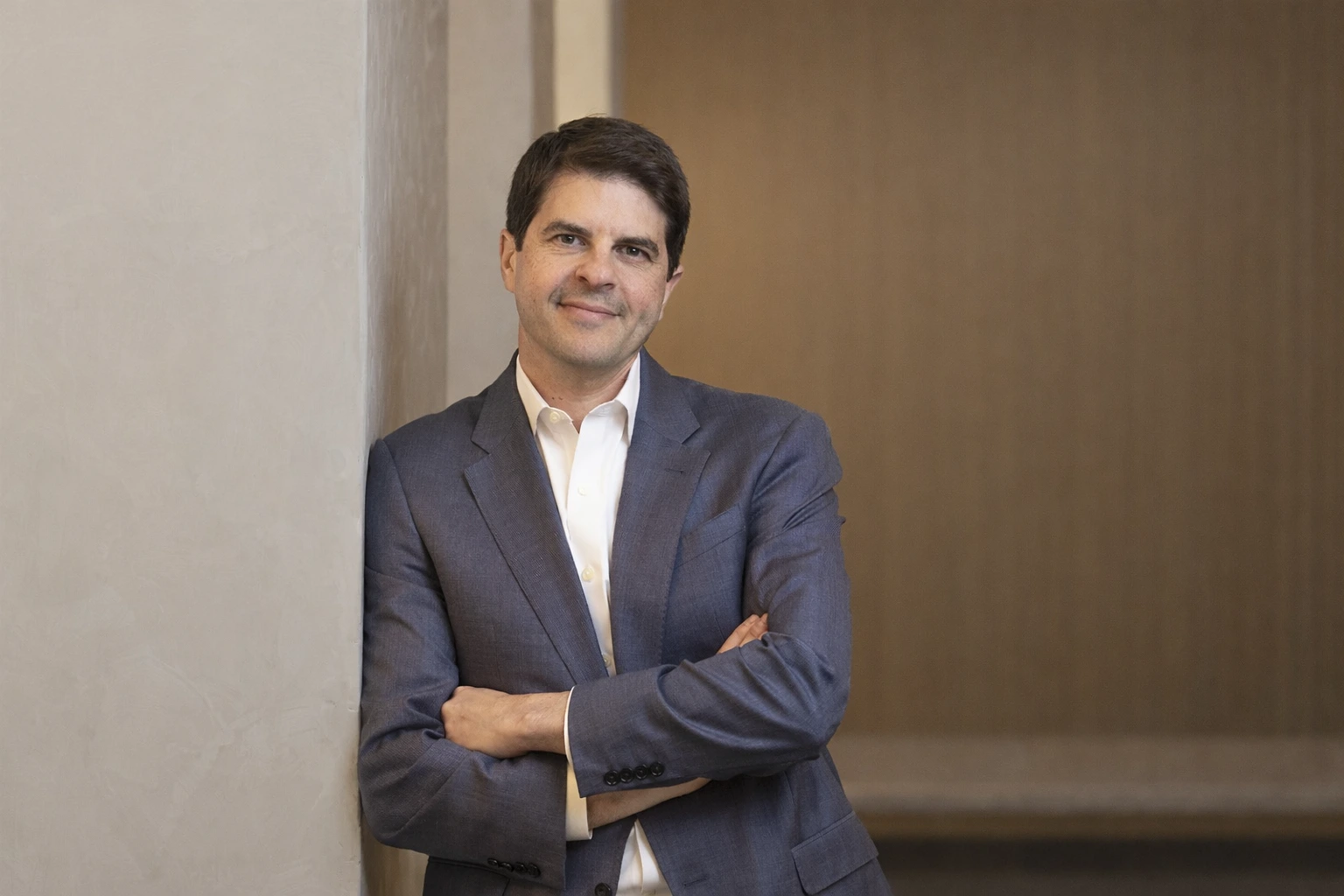
Rodriguez brings nearly three decades of commercial banking experience and will oversee a team focused on serving middle-market companies and commercial clients. The expansion also includes senior banking leaders such as Steven Goldstein, who will concentrate on Palm Beach County, and Tony Mandravellos, who will focus on Broward County, both of whom have long careers in commercial financial services.
For WesBanco, the South Florida initiative builds on a series of strategic expansions in recent years. The company has increased its scale through acquisitions in parts of the Midwest and through the opening of specialized loan production offices in several southeastern markets, suggesting a deliberate effort to broaden its commercial banking network.
Such moves are increasingly common among regional banks attempting to compete in a financial landscape dominated by national institutions and rapidly evolving digital banking services. Expanding into high-growth metropolitan areas allows these lenders to pursue new business relationships while maintaining the client-focused approach that many community and regional banks consider central to their identity.
The success of the strategy will likely depend on how effectively WesBanco integrates its relationship-driven model into a market already crowded with local and national competitors. By building a local team with deep regional experience, the bank appears to be betting that personal connections and long-term client relationships remain a valuable differentiator even as banking continues to modernize.