Five Hyundai models earned recognition in U.S. News & World Report’s latest family-focused vehicle rankings, reflecting how automakers are reshaping SUVs and electric vehicles around safety, space, and everyday practicality.
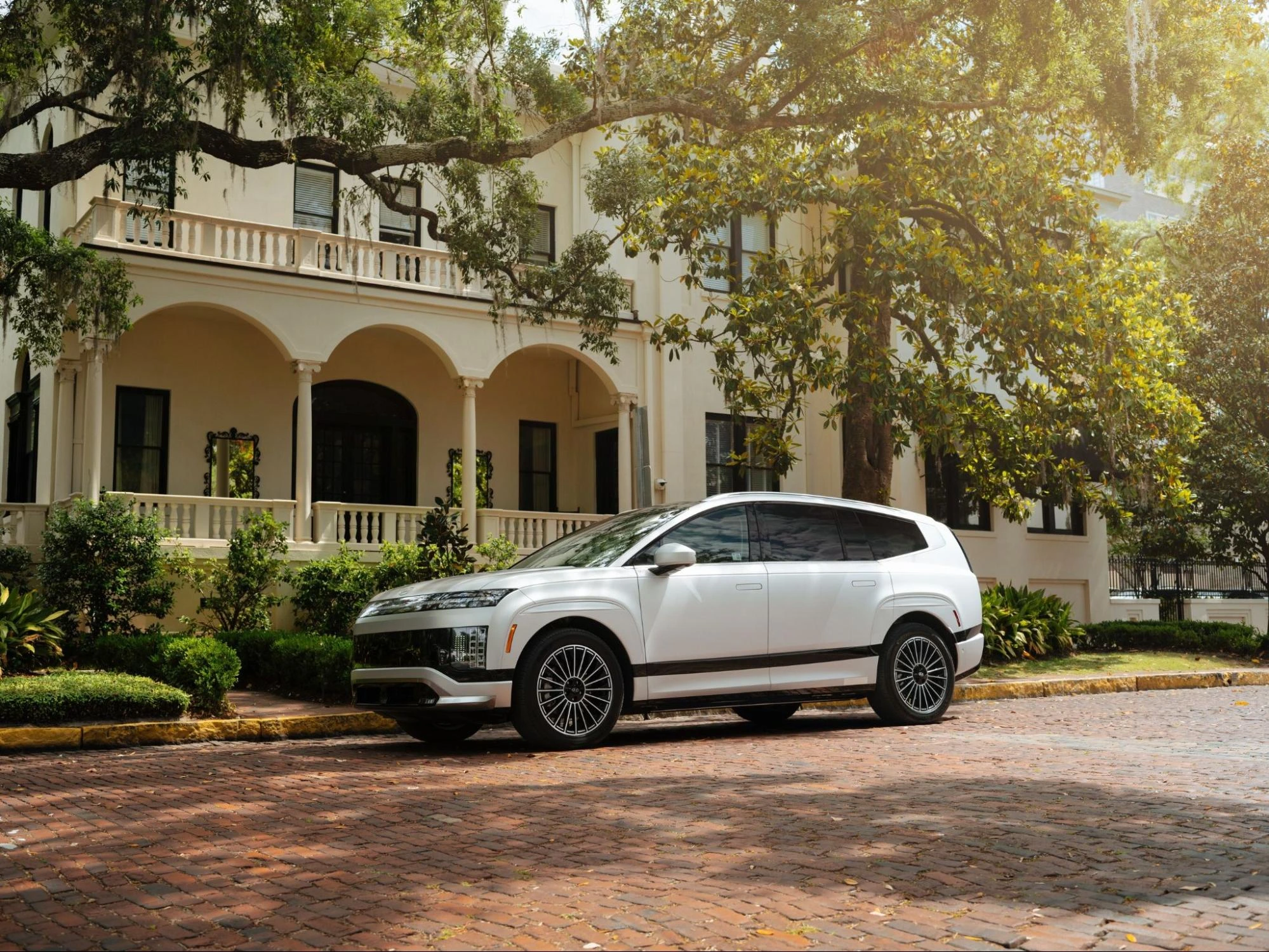
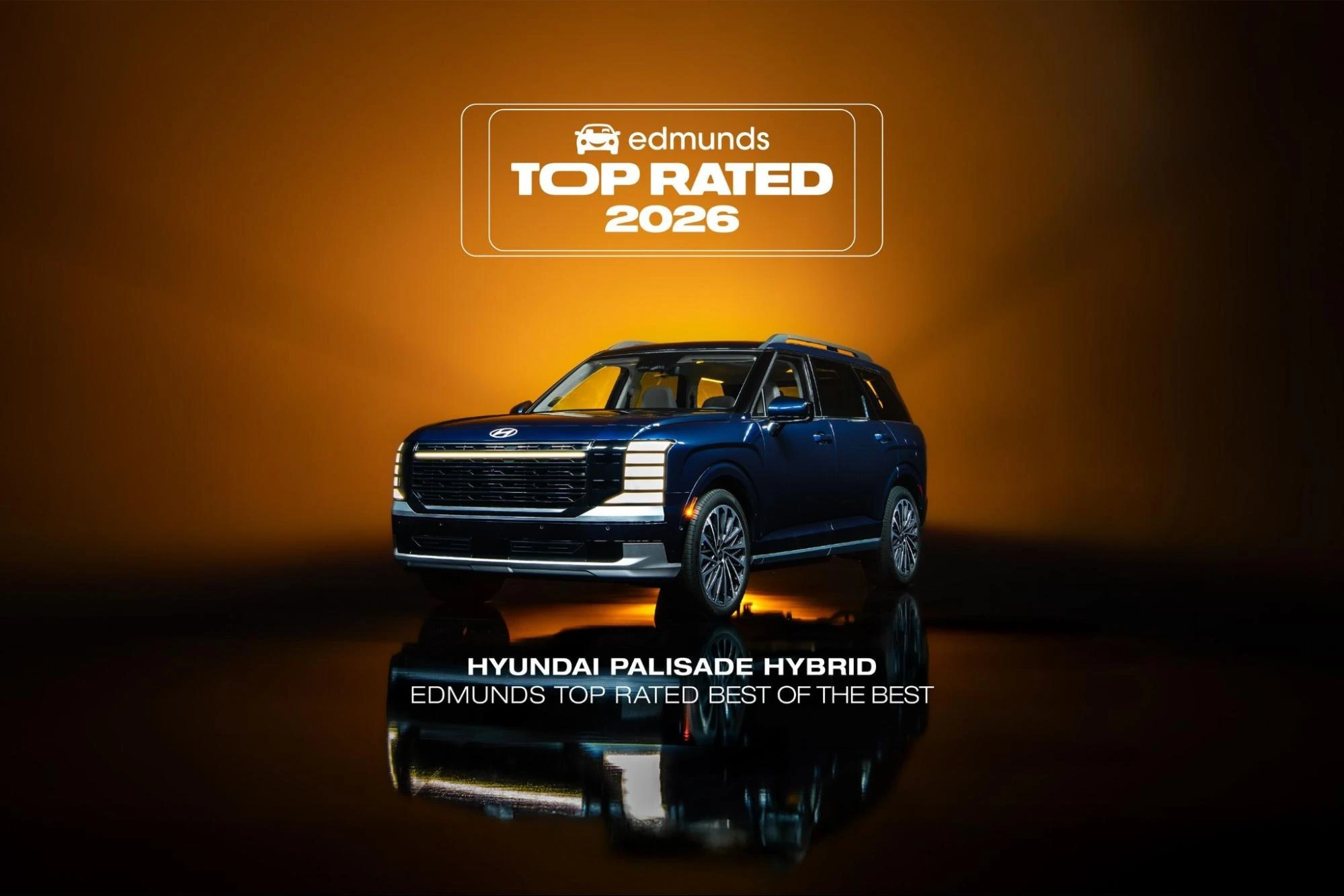
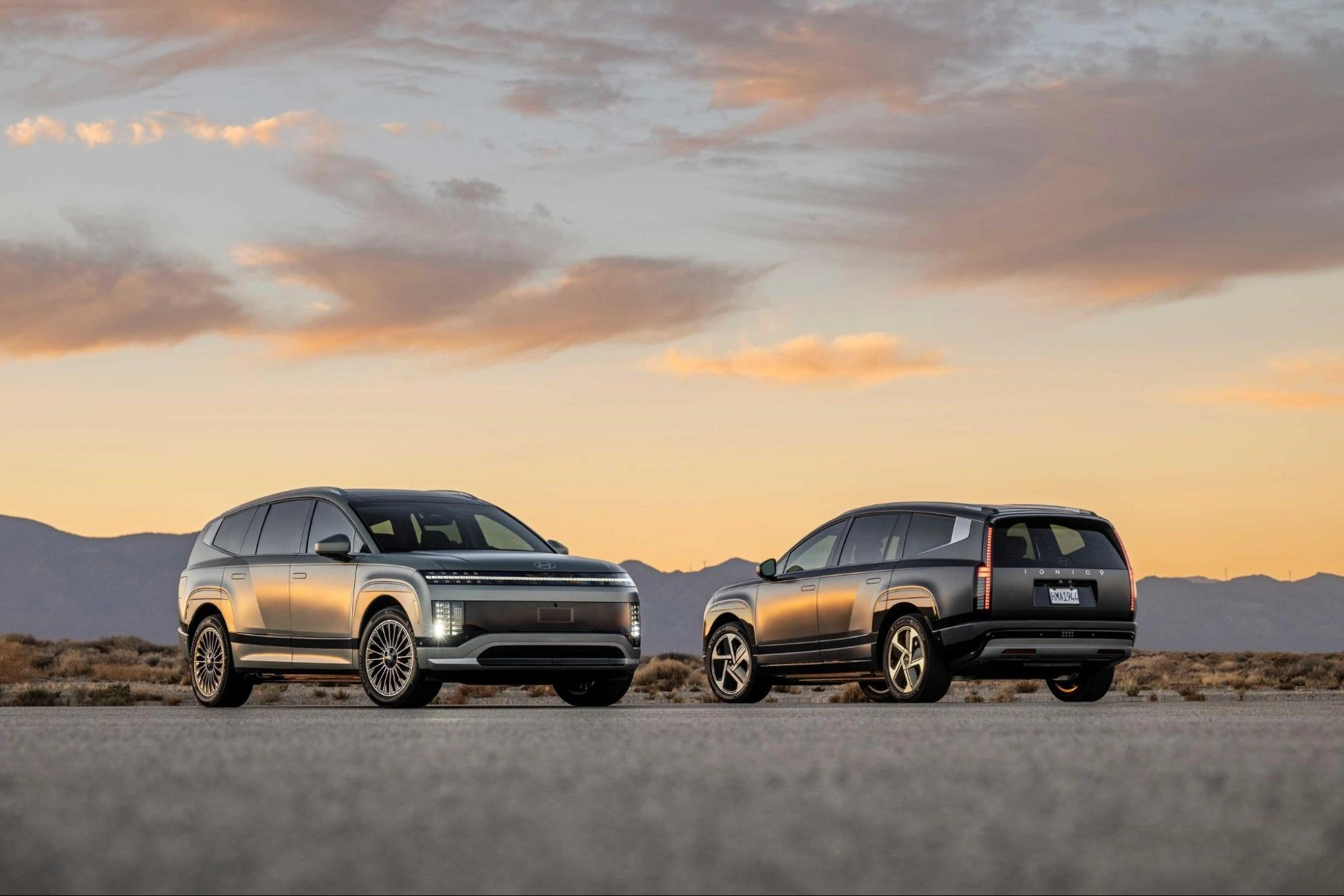
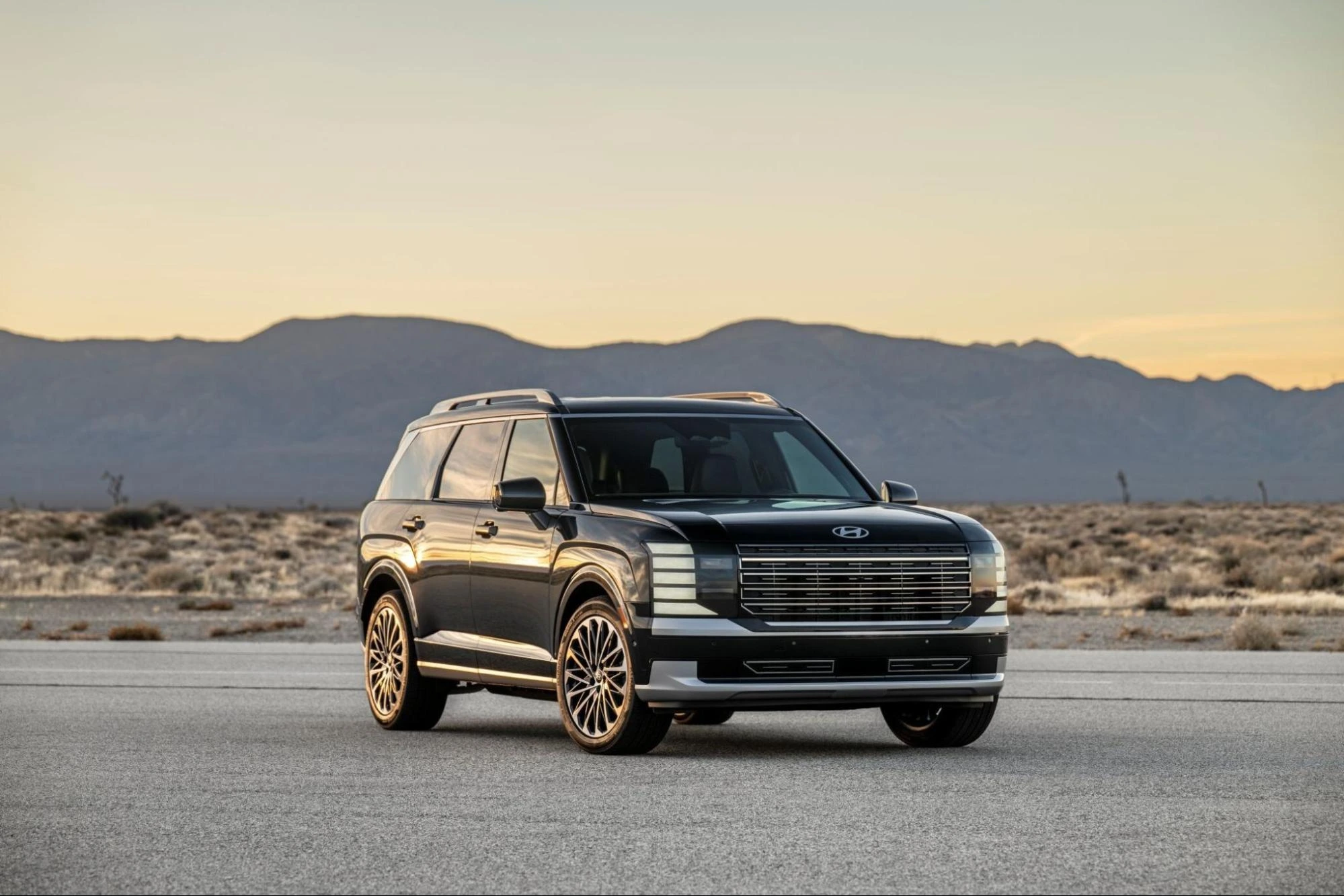
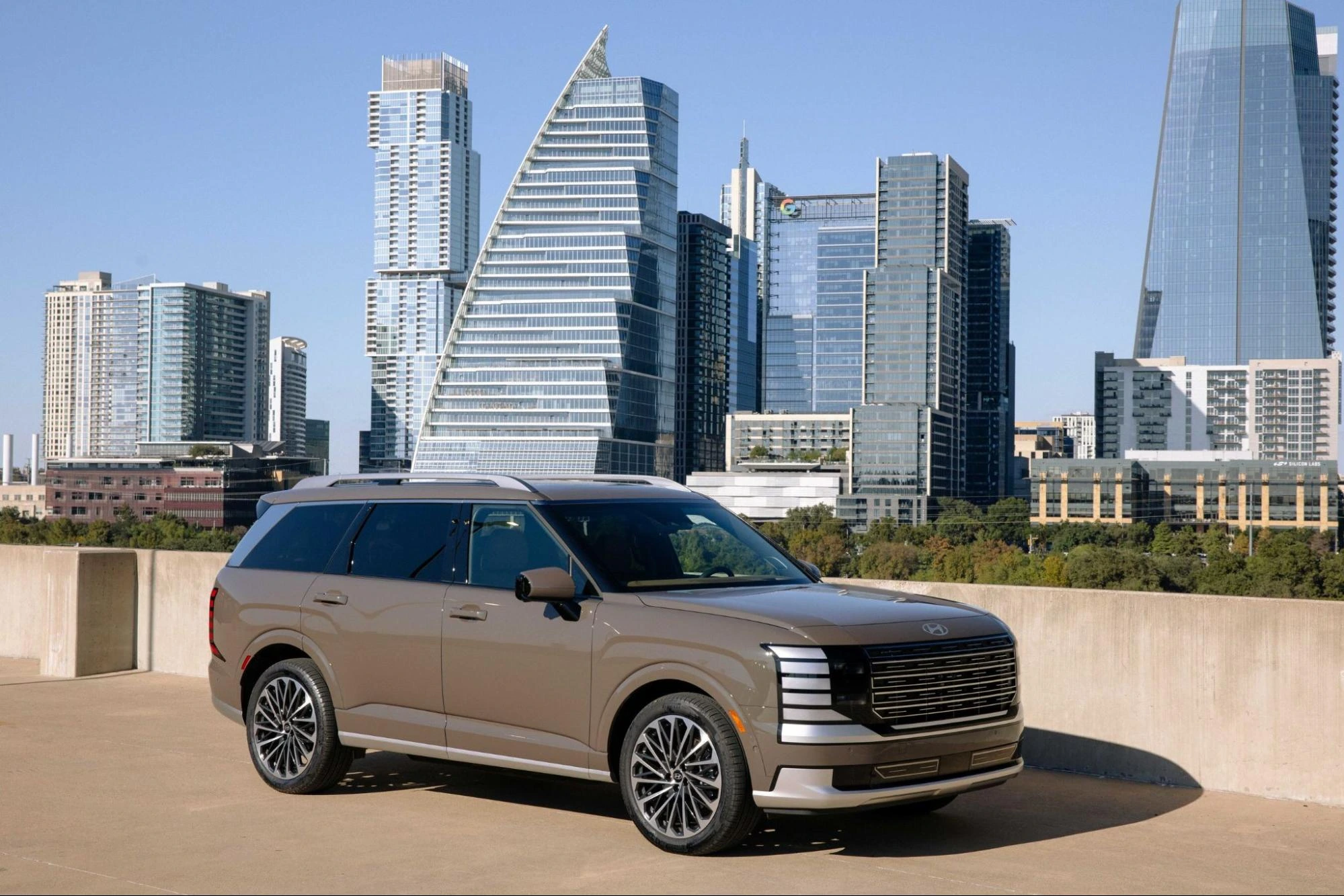
Hyundai Motor America emerged as the most recognized automaker on the 2026 Best Cars for Families list published by U.S. News & World Report, with five vehicles receiving awards across multiple categories. The results include recognition for the Palisade Hybrid, IONIQ 5, IONIQ 9, Tucson, and Tucson Hybrid—models that span traditional gasoline vehicles, hybrids, and fully electric SUVs.
The ranking highlights a broader shift in how automakers approach the family vehicle market. Instead of relying primarily on minivans or large sedans, manufacturers are increasingly designing sport-utility vehicles and electric models that emphasize interior space, safety features, and long-distance practicality.
Several of Hyundai’s recognized vehicles illustrate this transition toward electrified family transportation. The IONIQ 5 and the larger IONIQ 9 both represent the company’s growing investment in electric vehicles, offering SUV-style seating and cargo capacity while relying entirely on battery power.
At the same time, hybrid vehicles continue to play an important role for households that want improved fuel efficiency without fully transitioning to electric driving. Hyundai’s Palisade Hybrid and Tucson Hybrid reflect how automakers are blending traditional engine technology with electric assistance to meet a range of consumer preferences.
Industry rankings like the U.S. News list have become an influential reference point for car buyers, particularly families comparing safety ratings, reliability records, and interior practicality. The awards draw on a mix of automotive data, professional reviews, and ownership considerations to evaluate vehicles across categories designed to reflect everyday household needs.
For Hyundai, the results highlight a strategy built on offering multiple propulsion options within similar vehicle segments. As families navigate an increasingly complex car market—with choices that include gasoline, hybrid, plug-in hybrid, and electric vehicles—automakers are competing not just on performance or design but on how well their vehicles fit into daily family life.