As policy changes reshape solar economics across Europe, Samduo’s new home energy storage systems reflect growing demand for compact, easy-to-install technologies that help households manage and store their own power.
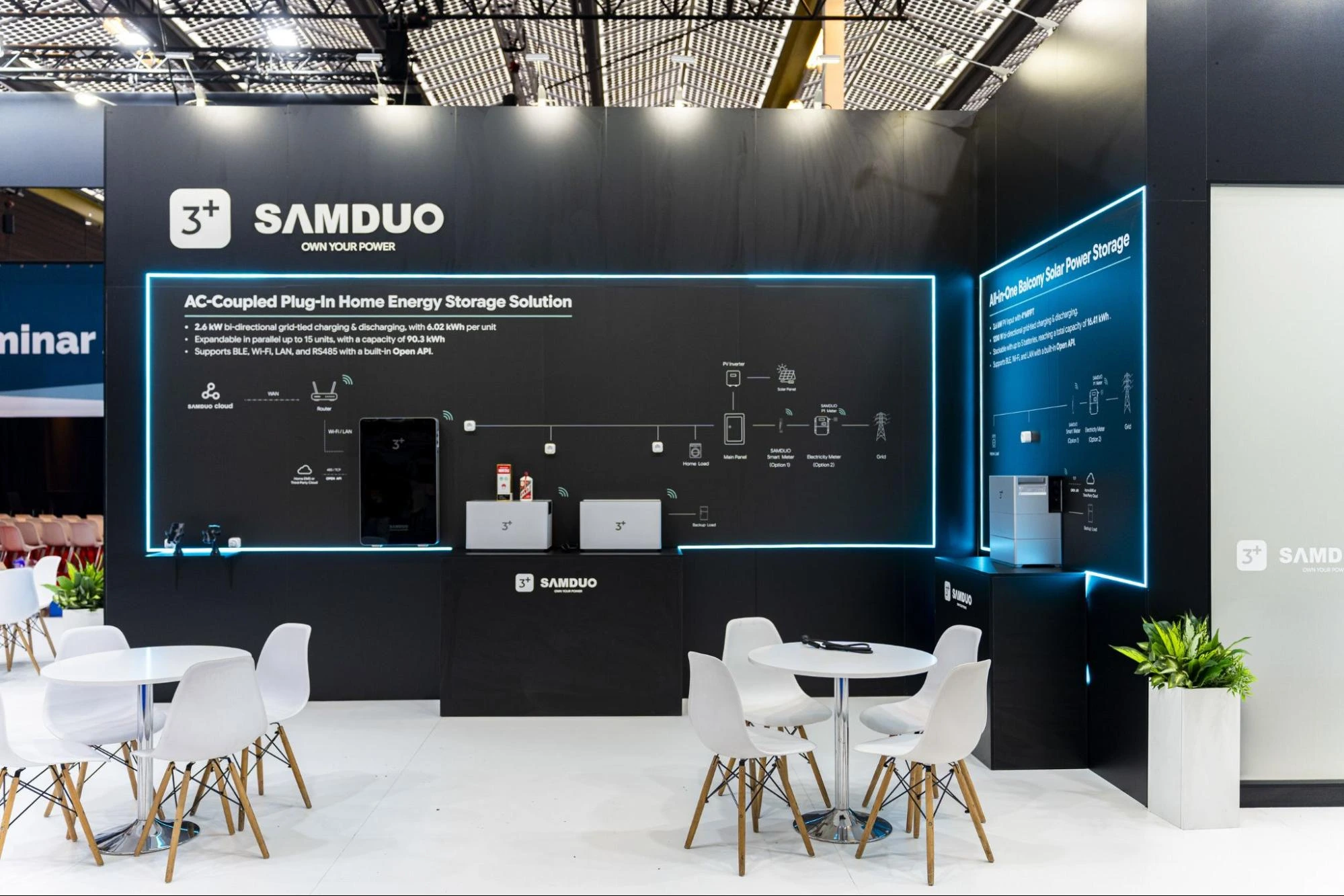
Samduo has introduced its Nex Series home energy storage systems at Solar Solutions International 2026, marking the company’s entry into the European residential energy market. The launch comes at a time when many households across the continent are reconsidering how they generate, store, and manage electricity at home.
The move reflects wider shifts in European energy policy that are gradually changing the economics of rooftop solar. In the Netherlands, the planned phaseout of net metering by 2027 will reduce the financial benefits of feeding excess solar power back into the grid, encouraging homeowners to store energy instead.
At the same time, countries such as Germany continue to offer incentives designed to accelerate renewable adoption, including tax exemptions and support for household solar systems. These policies have helped stimulate demand for technologies that allow homes to operate with greater independence from centralized energy networks.
Samduo’s Nex Series systems are designed to store electricity generated by residential solar panels and release it when household demand rises. By combining a battery, inverter, and management system into a compact unit, the devices aim to simplify installation and reduce the space required for home energy storage.
One model in the series is built with an ultra-slim profile intended to fit into small urban spaces such as balconies or utility areas, reflecting the realities of European housing where outdoor space is often limited. The system also supports modular expansion, allowing multiple units to connect and coordinate energy distribution within a household.
The technology also integrates with digital home-energy platforms used to monitor electricity consumption and optimize when power is stored or used. These kinds of tools have become increasingly common as energy management shifts toward more automated and data-driven systems.
Beyond the technical specifications, the launch highlights a broader change in how energy is produced and consumed. Solar panels, batteries, and smart controls are gradually transforming homes from passive consumers of electricity into small-scale energy hubs capable of generating and managing their own supply.
As Europe continues its transition toward renewable energy, technologies like residential storage systems may play a critical role in balancing fluctuating solar production with everyday household demand. For companies entering the market, the challenge will be making these systems affordable, compact, and easy enough for widespread adoption in ordinary homes.