The debut of 1 Hotel Tokyo reflects a growing movement in global hospitality that blends luxury travel with sustainability, bringing biophilic design and environmentally conscious operations to one of the world’s busiest cities.
1 Hotels has officially opened 1 Hotel Tokyo, marking the brand’s first property in Japan and extending its nature-inspired hospitality concept into one of the world’s most densely built urban environments. Located within the Akasaka Trust Tower, the hotel overlooks landmarks such as the Imperial Palace gardens and Tokyo Tower while positioning itself as a quiet refuge above the city’s fast-moving streets.
The opening highlights a growing trend in luxury travel toward what designers call “biophilic hospitality,” where architecture and interiors intentionally incorporate natural materials, greenery, and environmental design principles. In Tokyo—a city known for its dense skyline and vibrant urban energy—the approach seeks to create an atmosphere that reconnects guests with nature without leaving the city center.
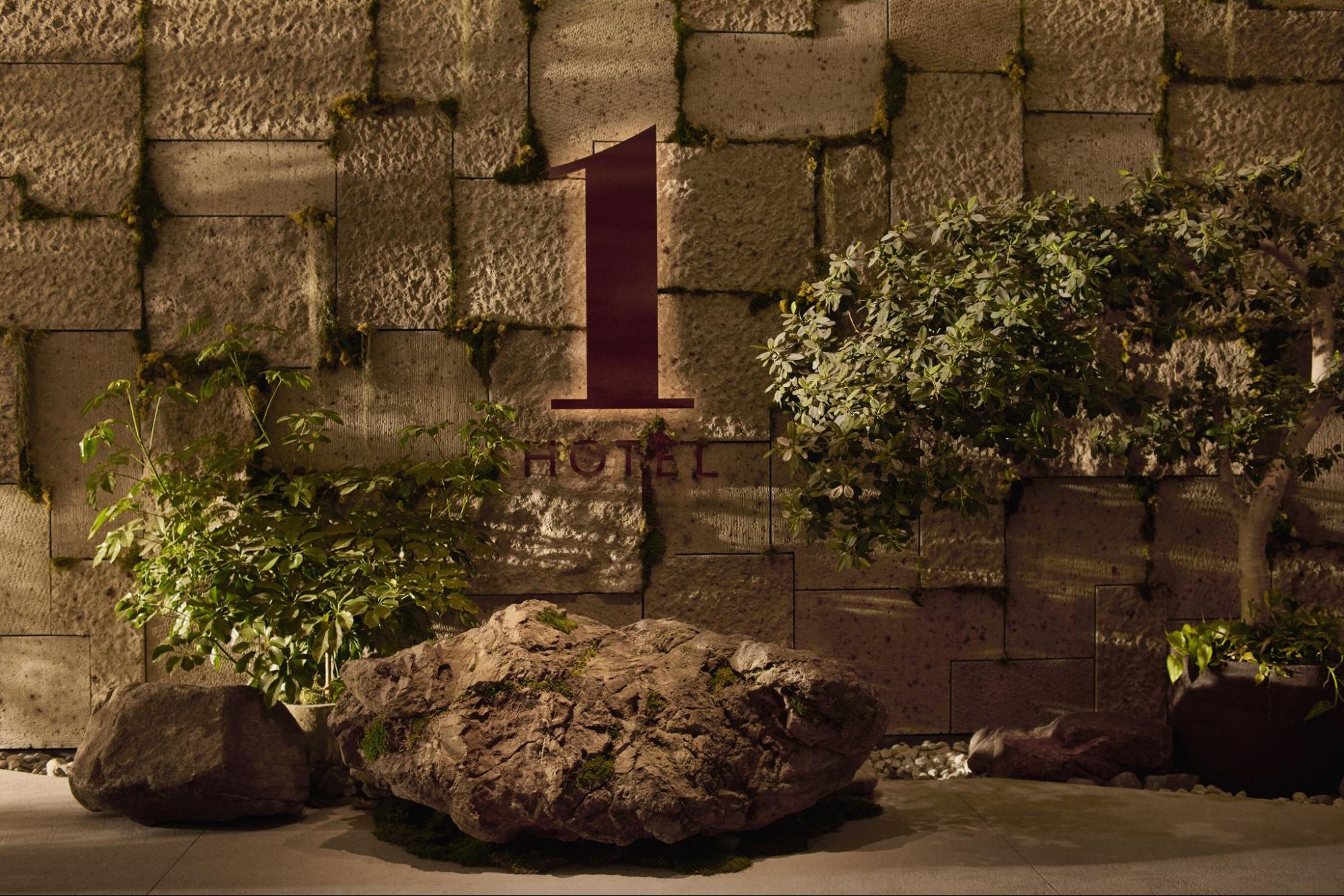
The hotel’s design blends the brand’s sustainability-focused philosophy with Japanese craftsmanship and aesthetics. Materials such as reclaimed wood, natural stone, and preserved greenery appear throughout public spaces and guest rooms, while architectural details echo textures found in nature, from tree bark patterns to stone reminiscent of the Imperial Palace grounds.
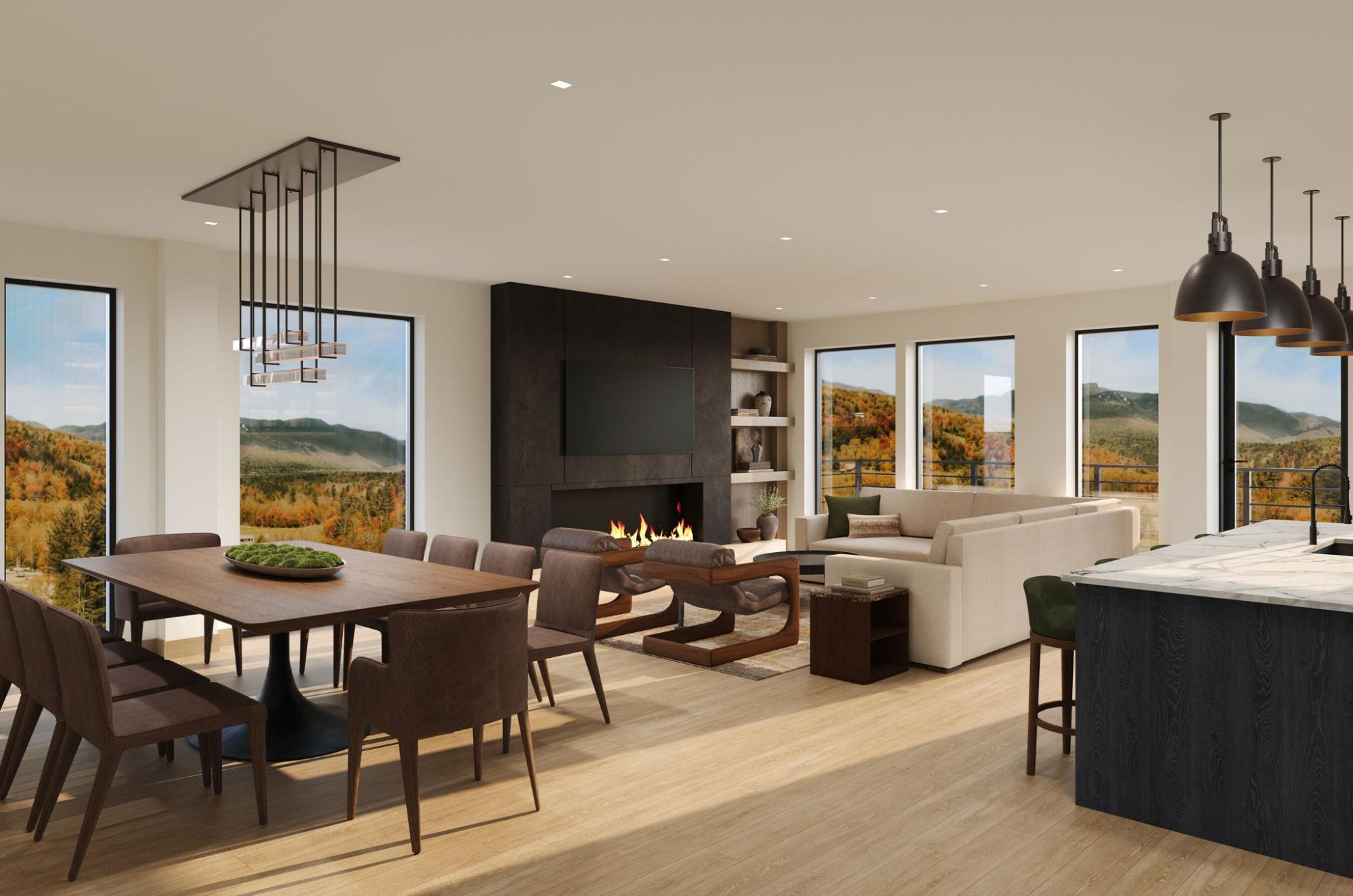
Spanning the upper floors of the tower, the 211-room property includes suites and penthouses designed to emphasize light, views, and minimalist interiors. The design concept extends to public spaces as well, where greenery and open layouts attempt to soften the boundary between indoor environments and the surrounding landscape.
Dining and social spaces form another core element of the hotel experience. Restaurants and cafés within the property aim to attract both travelers and local residents, reflecting a broader hospitality trend in which hotels increasingly function as neighborhood gathering places rather than isolated tourist enclaves.
Wellness facilities also play a prominent role in the project, with spa treatments, fitness spaces, and a pool designed to complement the hotel’s emphasis on restorative experiences. Such amenities have become standard in modern luxury hotels, but they are increasingly framed within broader narratives of health, sustainability, and mindful travel.
Environmental performance is another defining feature of the development. The hotel has achieved Japan’s highest environmental certification under the CASBEE building rating system and incorporates water conservation measures, energy-efficient systems, and strategies aimed at reducing single-use plastics.
The arrival of 1 Hotel Tokyo reflects how global hotel brands are adapting to travelers who increasingly value sustainability alongside luxury. Rather than treating environmental responsibility as a secondary consideration, properties like this attempt to make it central to both design and guest experience.
In a city known for its balance between modern innovation and traditional respect for nature, the hotel’s concept attempts to mirror that same duality. By bringing greenery, natural materials, and ecological considerations into the vertical landscape of Tokyo, 1 Hotels is betting that the future of luxury travel will feel as restorative as it is refined.